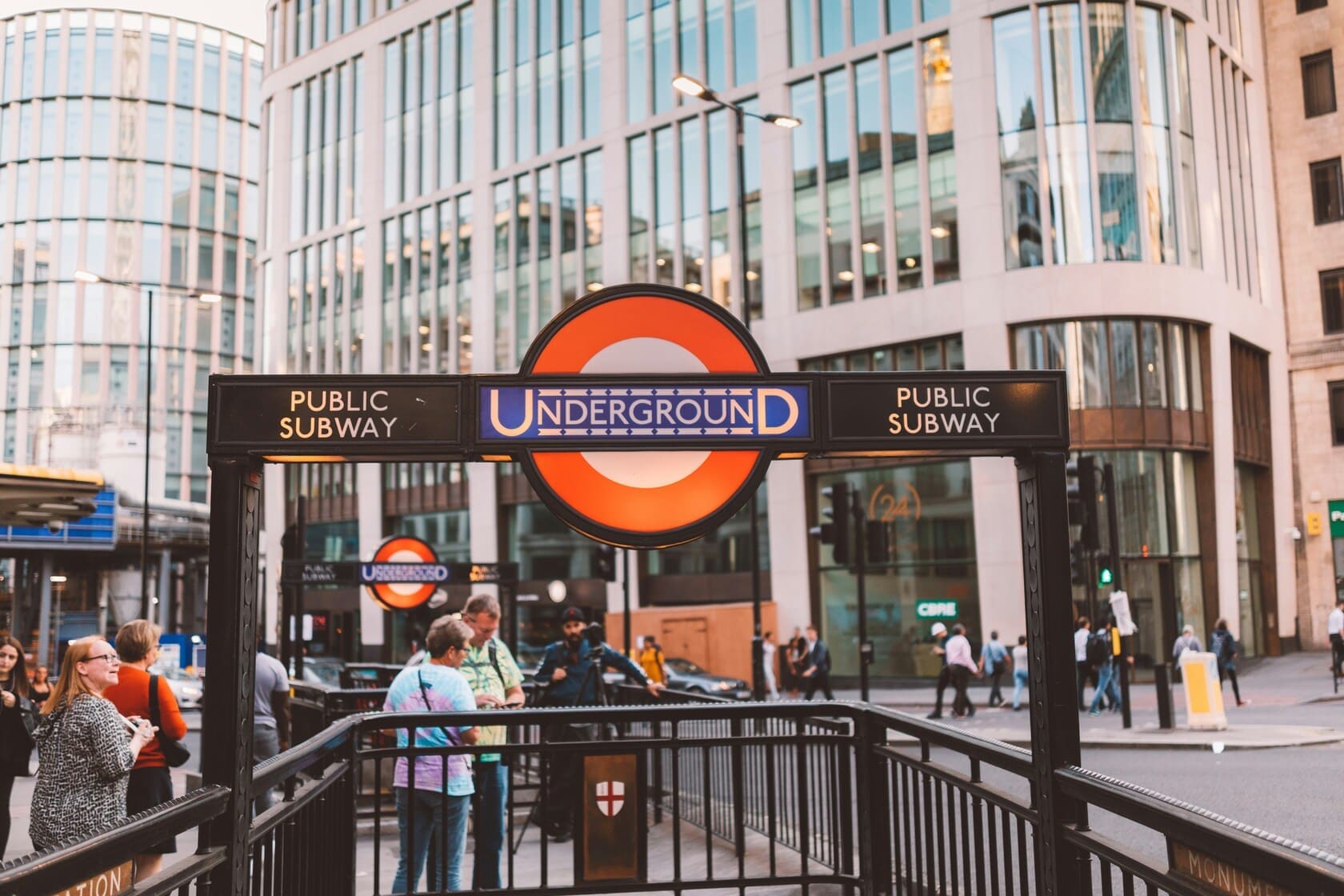
With the London Underground (a.k.a. the Tube) celebrating 160 years in 2023, it’s fascinating to see how transport in London has changed over the years, in many cases for the better. With accessibility now playing a big role in the UK’s future architectural plans, we can see an increased focus from Transport For London (TFL) on upgrading the London Underground. In fact, of the 272 tube stations in London, 92 stations (over one-third of tube stations) offer step-free access from platform to street, and there are plans for a further 9 stations to become step-free over the next few years. I can share from firsthand experience, however, that getting around these stations and to lifts can often be one heck of a workout.
Historical Context and Accessibility Milestones
In 2019, Peter Apps, a paraplegic who uses a wheelchair in his daily life to move about, wrote about the most wheelchair-friendly modes of transportation in the city. While there are a variety of transportation options apart from the Tube in London, such as taxis, cars, and buses, I can assure you they often pale in comparison to the Tube when it comes to speed.
The Elizabeth Line: A Model for Inclusive Design
So, what does the future of accessible public transport look like for London? We got a sneak peek at this in May 2022 with the opening of the Elizabeth line. Named after the UK’s longest-ruling monarch, Queen Elizabeth II, it’s the newest addition to the London Underground, showcasing accessibility and inclusion at its finest thanks to the efforts of Transport For All and TFL’s Equity In Motion plan. From the train carts, to the station design, it truly does showcase how modern designs can be inclusive and supportive. All 41 stations on the Elizabeth line offer step-free access from platform to street, but it goes beyond step-free access.
Personal Reflections and Future Expectations
Honestly, it is an absolute dream to travel on. When it’s not peak travel times, it’s quiet, clean, and oh-so-easy to move about in the stations. In fact, I recently had the pleasure of taking my longest trip on the Elizabeth line from Reading to Farringdon, a 1:05-hr journey made up of 13 stops. Traveling in London is one of the most daunting things for me for a variety of reasons, but this trip brought a tear to my eye. (I do have a flair for the dramatic). I’ve never had the opportunity to be able to speak with a friend on the Underground as the noise would send me into a sensory-overload hellscape, not to mention what feels like a quest to Middle Earth to reach the next platform. On a good day, walking around old Tube stations to get to the lifts is a workout and enough to render me on bed rest for days. But not this time. I spent the majority of the journey without my earphones in and made it home the most relaxed I have ever been after commuting in London. I’m eager and excited to see how accessibility will be taken into account in the future as stations are revamped and new ones are constructed in an effort to make transport more inclusive!

Encourage DEI in your organization with programs tailored to your needs. Find out how we can support you on your DE&I journey.