
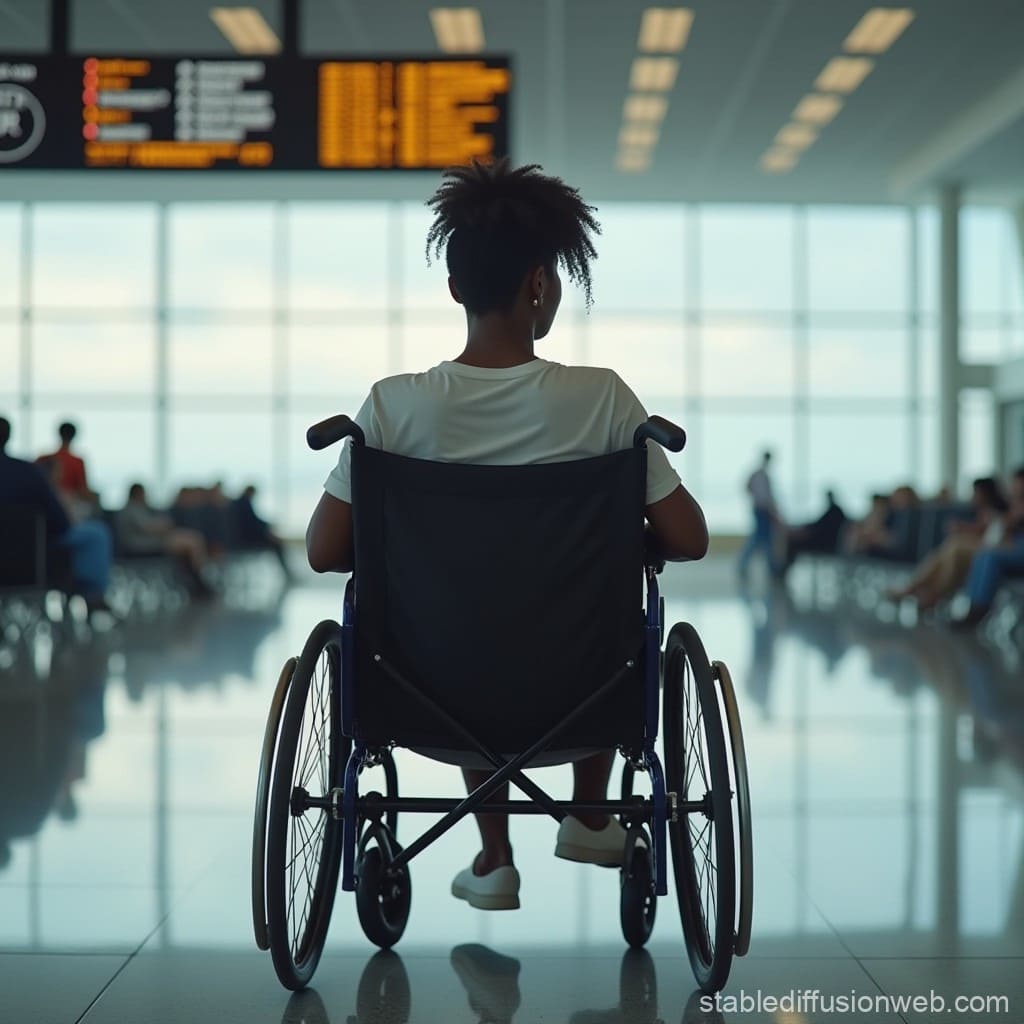
Air travel should symbolize freedom and opportunity, but for wheelchair users in Nigeria, it often becomes a humiliating ordeal of discrimination, indignity, and outright neglect. Imagine arriving at the airport, ready to board your flight, only to be told your wheelchair makes you an unwelcome passenger. This is not a hypothetical scenario—it’s the lived experience of many wheelchair users in Nigeria, a glaring reminder of how far the country’s aviation industry has to go in creating an inclusive environment for all passengers.
Denied Dignity: Stories of Rampant Discrimination
Take the case of Hon. Olanrewaju Oladosu, a government official, who was denied boarding by Green Africa Airline at Akure Airport, even after purchasing a ticket and making prior arrangements. His only crime? Using a wheelchair. He was forced to buy another ticket from a different airline at a higher price. The story of Chike Okogwu, another wheelchair user, is equally infuriating. Dana Air refused to let him board because of a nighttime policy prohibiting passengers with “special needs.” Gloria Mary Nwogbo suffered a similar fate at the hands of the same airline, reflecting a disturbing pattern of neglect and exclusion.
The Fight Against Systemic Ableism
These stories are not isolated incidents; they reveal systemic issues in Nigeria’s aviation industry. Many airports lack basic infrastructure for passengers with disabilities, such as wheelchair ramps, elevators, and accessible restrooms, forcing travelers to rely on improvisation or help from untrained staff. Although the Discrimination Against Persons with Disabilities (Prohibition) Act (2018) mandates that public buildings, including airports, accommodate persons with disabilities, enforcement has been weak, leaving individuals to fend for themselves. Cultural ignorance and stigma make matters worse, as many airline and airport staff members are not trained to assist passengers with disabilities, resulting in demeaning treatment and unnecessary conflicts.
Advocates like Adebola Daniel are leading the charge for change. He personally experienced blatant discrimination when he was told, “No wheelchairs allowed,” at a KFC outlet in Murtala Muhammed International Airport. The public outrage that followed forced KFC Nigeria to apologize, but the incident underscored deeper systemic failures. Now, Daniel continues to amplify the voices of people with disabilities and push for meaningful reforms, using his experience to shine a light on the urgent need for inclusivity. But real change requires more than apologies. It demands action. Accessible airport infrastructure, mandatory staff training, and strict enforcement of disability rights laws are non-negotiable steps toward inclusivity.

Most Rev. Adebola Daniel and Mrs. Olaitan Daniel
Credit: Opelogbon, CC BY-SA 4.0, via Wikimedia Commons
Learning From Inclusive Models: Scandinavia’s Approach
While Nigeria still struggles with accessibility issues, Scandinavian countries show us what’s possible when inclusivity is truly prioritized in air travel. Norway, for instance, has airports designed with accessibility in mind. Almost all airport buses are wheelchair accessible and equipped with lifts or ramps, facilitating seamless travel for individuals with mobility challenges. Scandinavian Airlines (SAS) is committed to making travel more accessible for all. They offer assistance to passengers with special needs, including those with mobility impairments, and have clear policies to ensure a comfortable journey for everyone.
Flying while disabled should not mean flying while degraded. As a nation, Nigeria must do better. The aviation sector must evolve to treat every passenger—regardless of physical ability—with dignity and respect. Until then, the skies remain an unequal space, where wheelchair users must fight for their right to travel.

Credit: Sharon Hahn Darlin, CC BY 2.0, via Wikimedia Commons

We support DEI through practical solutions for organizations of all sizes. Discover more on our About Us page.


