
The landscape of DEI is seeing drastic change. The number of companies reversing their DEI policies has been steadily increasing, and at the start of Trump’s administration, the “Ending Radical and Wasteful Government DEI Programs and Preferencing” was passed, ending all DEI programs within the US Federal government. A few companies have cited the reversal of affirmative action and the shifting landscape around DEI as the reason for ending their DEI policies. While Trump’s executive orders don’t make it illegal for private companies to continue their DEI programs or initiatives, companies such as Meta, Amazon, and McDonalds have been added to the growing list withdrawing their DEI programs.
Communities Organizing in Support of DEI
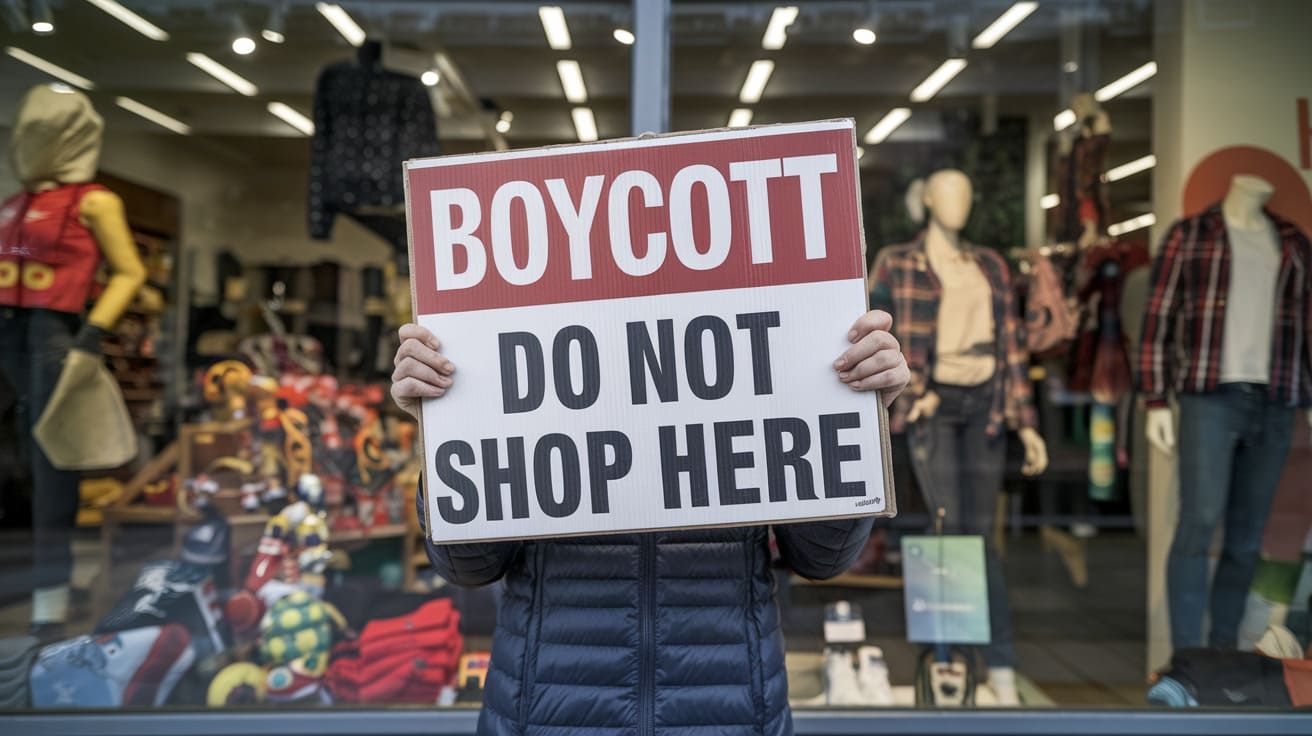
Consumers and activists around the US are starting to push back, with many calling for boycotts or even economic blackouts. The first target of these boycotts was none other than Target, a company originally known for their former dedication to DEI initiatives through their promotion of Black businesses, a yearly LGBTQ+ pride collection, and more. Two separate boycott organizers have called for consumers around the US, especially Black Americans, to stop giving Target their dollar. The first was started in Las Vegas by Yasmin Salas, who stated that these reversals were not only a “slap in the face” to minorities but also to the LGBTQ+ community. Pastor Jamal Bryant’s petition to boycott Target has also been rapidly growing, with more than 50,000 people committed to Bryant’s 40-day “lent”. In addition, Bryant has encouraged people to sell their Target stocks.


After Trump’s comments on DEI and immigrants, consumers began wanting to separate themselves from companies that seemed to cozy up to the administration via donations or outspoken support. The Latino Freeze movement was created by American labor activist Dolores Huerta, stating that if companies didn’t respect the Latino community then they wouldn’t get their patronage. This boycott also urges American consumers to stop shopping with companies pulling back from DEI and to focus on Latino- or Black-owned businesses for their purchasing needs.

Credit: Gage Skidmore from Peoria, AZ, United States of America, CC BY-SA 2.0, via Wikimedia Commons
Large-scale Consumer Action Planned
It’s not just individuals creating these movements but also organizations. The People’s Union, an organization that works to put power back onto the consumer, called for an economic blackout on February 28th. The blackout asks people to completely stop purchasing goods from big corporations, gas, and fast food for 24 hours. If necessary, they say to only shop local or buy necessities. The overall goal is to show companies and the government that the average consumer still has power. The organization stated, “If we disrupt the economy for just one day, it sends a powerful message.”
Increasing Importance of Ideology in the Modern Economy
The People’s Union is correct in that consumers need to stand up and show their influence. Many individuals are growing tired of large corporations, with corporate trust already in the gutter, and now with companies seemingly switching their stances on DEI after a little pressure, this trust is going to become even more brittle. Marginalized groups are feeling betrayed and will expect companies to stick to their social policies if they expect to keep them as potential buyers. Without sacrifices, large corporations using social activism for financial gain are going to see how quickly minorities will take away their business and give it elsewhere. Many are already beginning to do so.

Learning Cycle promotes a variety of programs to help deepen your understanding of DE&I. If you would like to know more about us, please click on About Us.


