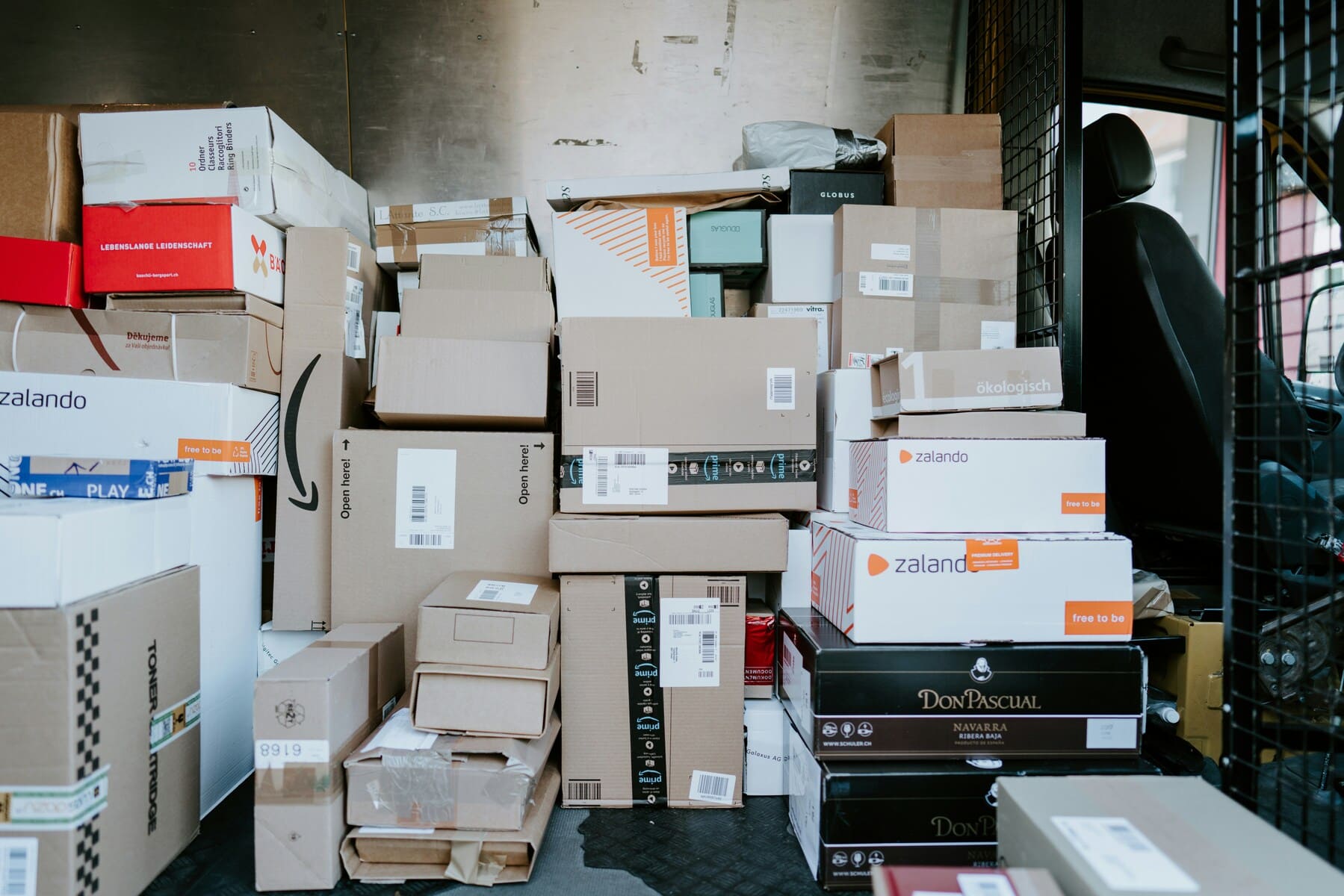
Amazon’s success relies on its reputation for delivering an endless catalog of products quickly and efficiently. Major shopping events like Black Friday, Prime Day, Christmas, and Valentine’s Day drive record-breaking sales for Amazon, making them the busiest days of the year for the company. In the third quarter of 2024 alone, Amazon shipped 40 million packages to its customers with same-day delivery. However, the true cost of building this trillion-dollar company is borne by its frontline workforce.
Warehouse employees are required to work mandatory overtime leading up to peak shopping periods with shifts stretching 10 to 12 hours. Some facilities handle up to 400,000 packages daily, with employees often having to work through their breaks due to the sheer volume of work.
Amazon’s History of Skirting the Law
A Senate investigation led by Senator Bernie Sanders discovered that Amazon has a 30% higher injury rate than the industry standard. Amazon was also found to underreport injuries to manipulate their data and protect the company’s image. The report also states that Amazon actively discourages employees from seeking external medical care even as it claims to have improved its safety protocols. Employees are technically entitled to disability benefits and injury compensation, but many find it difficult to secure paid sick leave, leaving them vulnerable to long-term health issues.
Although Amazon is the second-largest employer in the United States, it has consistently stifled employee efforts to unionize, repeatedly using intimidation tactics and threats. As a result, there is only one official Amazon union, the Amazon Labor Union (ALU), established by workers at the company’s Staten Island warehouse in 2022. However, Amazon has refused to recognize the union, avoiding negotiations with those warehouse workers. To strengthen the fight for fair wages, better working conditions, and employee benefits, the International Brotherhood of Teamsters which represents UPS drivers, healthcare workers, public officials, and more has partnered with the ALU.
Companies Avoid Disbursing Benefits
But it’s not just warehouse employees feeling the toll. Amazon’s delivery drivers face similarly grueling conditions without even being recognized as employees. Delivery service partners (DSPs), aka Amazon’s drivers, are classified as independent contractors not employees. This practice is called misclassification and is grossly popular among companies like Uber, Lyft, DoorDash, and Amazon. This loophole allows companies to deny drivers essential labor rights, such as fair wages and the right to unionize because, according to US law, these rights are only afforded to salaried employees.
In fact, the first group of Amazon delivery drivers to unionize was fired shortly after, as Amazon terminated its contract with the third-party company that hired them. The National Labor Relations Board (NLRB) has since ruled that Amazon is a joint employer of its drivers, a step toward holding the e-commerce giant accountable.

Credit: Joe Piette, CC BY-SA 2.0 via Flickr
Companies Should Prioritize Employees Overall
While the NLRB has made good progress, a quick look into Amazon’s working conditions leaves much to be desired in terms of corporate responsibility. If a two trillion-dollar company can afford to ship millions of packages daily, surely it can offer fair overtime policies, more humane working conditions, and the fundamental right to organize.
This is all very ironic coming from a company that strives to be Earth’s best employer. Rather than using corporate altruism merely as a PR tactic, it should be an essential approach that Amazon integrates into its culture to foster more trust from its customers as well as its employees, aiming for equity. True corporate success isn’t solely about the bottom line; it’s also measured by how a company treats its employees.

Credit: Bärbel Miemietz, CC BY-SA 4.0 via Wikimedia Commons

Encourage DEI in your organization with programs tailored to your needs. Find out how we can support you on your DE&I journey.