
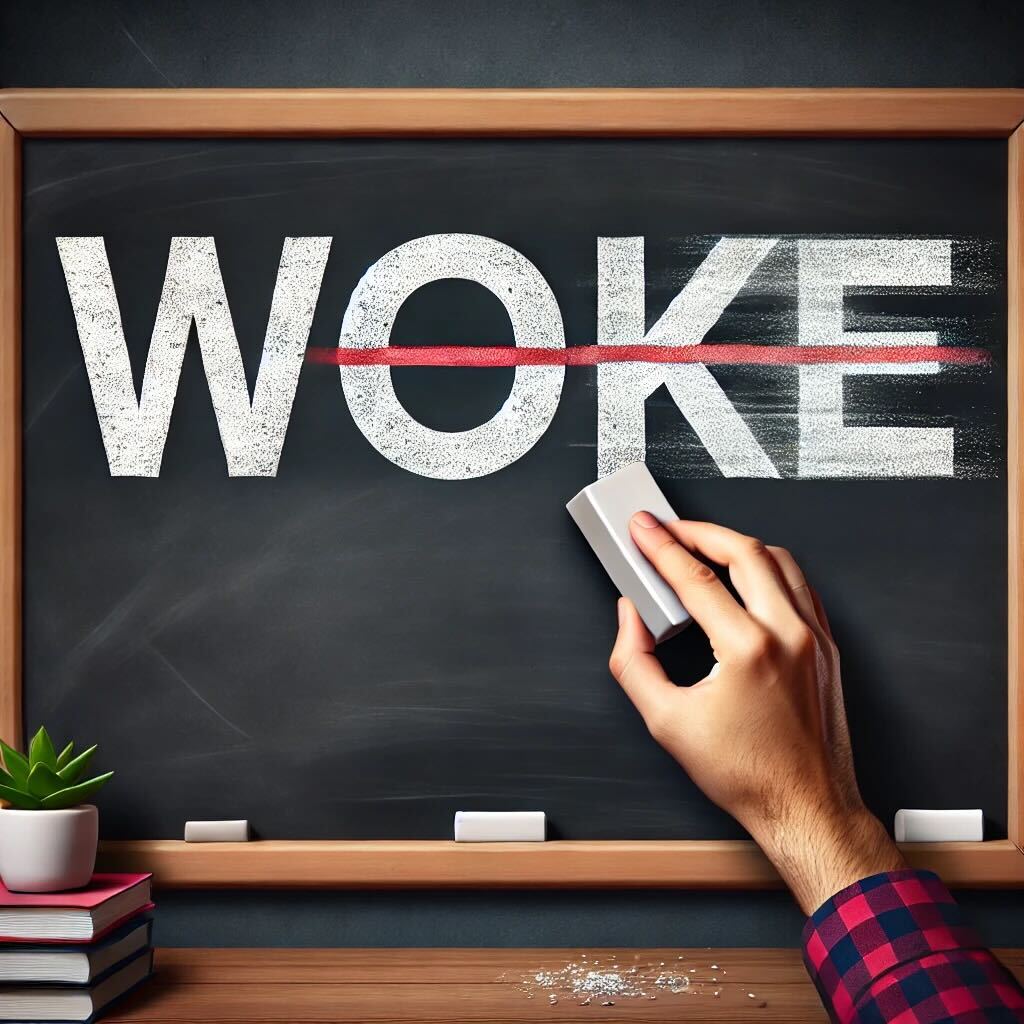
At the World Economic Forum held in Davos from January 20 to 24 of this year, Argentina’s president, Javier Milei, illustrated the growing global trend of anti-woke rhetoric. His speech sparked controversy in the media worldwide, as he labeled feminism and woke ideology as a “virus” or a “cancer that had to be removed.” He then went on to talk about social justice movements, associating them with economic failure and cultural decline. Notably, Milei went as far as to equate extreme interpretations of gender ideology with child abuse, using an isolated case of a convicted gay couple as an example of what he calls the “woke virus.” His remarks were met with immediate protests in Argentina, particularly from LGBTQ+ advocacy groups that condemned his words. However, his speech is not isolated. It aligns with a wider global trend of leaders and influencers using the term “woke” pejoratively to attack most inclusivity efforts and progressive policies and to create a common enemy.
Woke: Who Gets to Define the Term?
However, what does it actually mean to be woke? Originally, “woke” emerged from African American Vernacular English to refer to awareness of racism, particularly regarding racial and systemic injustices. The term gained prominence during the Civil Rights Movement and was later adopted more broadly to signify vigilance against all forms of social inequality. However, in recent years, it has been repurposed by critics who use it to discredit movements advocating for inclusion and equity. The term nowadays is widely used in a negative and very dismissive form.
The Loss of the Conservative Majority
According to a survey done by Gallup, before 2010, Americans were most likely to identify as conservative. However, today, they are split more equally between liberal and conservative social views. The rise of anti-woke ideology has spread worldwide as a countermovement to that more progressive wave. The conservative ideology has recently been portrayed by public figures like Donald Trump and Elon Musk, who group all social justice efforts into the same category and do not recognize legitimate advocacy for marginalized communities. Instead, they tag all activism as an exaggerated or extreme interpretation of progressive movements. The core principle of this ideology is that “wokeness” and DEI efforts inherently conflict with traditional values or meritocratic principles. This means that “woke” individuals are perceived to be a threat to civilization, and unfortunately, in our increasingly polarized global society, this idea is gaining traction.

Credit: Vox España, CC BY-SA 4.0, via Wikimedia Commons
Anti-“Woke” Rhetoric Transcends Generations
As we are seeing in the U.S., several major companies including Google, Meta, and Amazon, are going with the heat of the moment and reversing their DEI policies. Despite these setbacks, many individuals and organizations continue to push for a more inclusive society. However, younger generations, once the catalysts of social change, are now shifting toward more right-wing social ideologies, influenced by the rise of anti-woke rhetoric.
So, what can we do to prove that inclusion policies and being “woke” are not a “virus”? For starters, we can show numbers; a recent EY report highlights that DEI strategies are critical drivers of innovation, productivity, and economic growth. Companies that prioritize diversity not only attract top talent but also build stronger, more adaptable teams. By reinforcing the benefits of inclusion policies with data, we can fuel a debate that redefines—once again—the meaning of woke for the public eye.

Credit: Marcia Fudge, Public domain, via Wikimedia Commons

We offer practical DEI programs tailored to help you apply inclusive practices effectively in everyday business. Discover our workshops to see what’s available.


