The fitness industry is often presented as a space dedicated to health, empowerment, and personal growth. However, beneath this positive exterior, there are deep gendered dynamics that shape who feels welcome, who participates, and how people engage with exercise. Unrealistic body standards in fitness are not just a “women’s problem”; both men and women internalize a narrow “fit ideal” that pressures individuals toward unhealthy behaviors. Understanding these dynamics is essential for creating a more inclusive fitness culture.
Lack of Inclusion Makes Gym-going A Struggle
Even though physical activity is strongly linked to improved mental well-being, a large-scale survey from ASICS found that many women feel unsupported and unsafe in exercise-focused environments. This “gym-phobia” is an aversion to entering what they perceive to be a space focused on ideal bodies. It is experienced by women who perceive gyms as male-dominated spaces and by overweight people who perceive gyms as places only for those who are “fit.” Both groups fear being subjected to judgement, sexualization, and unsolicited comments at the gym, and may feel it necessary to modify what they wear or avoid gym-going entirely because of this discomfort.

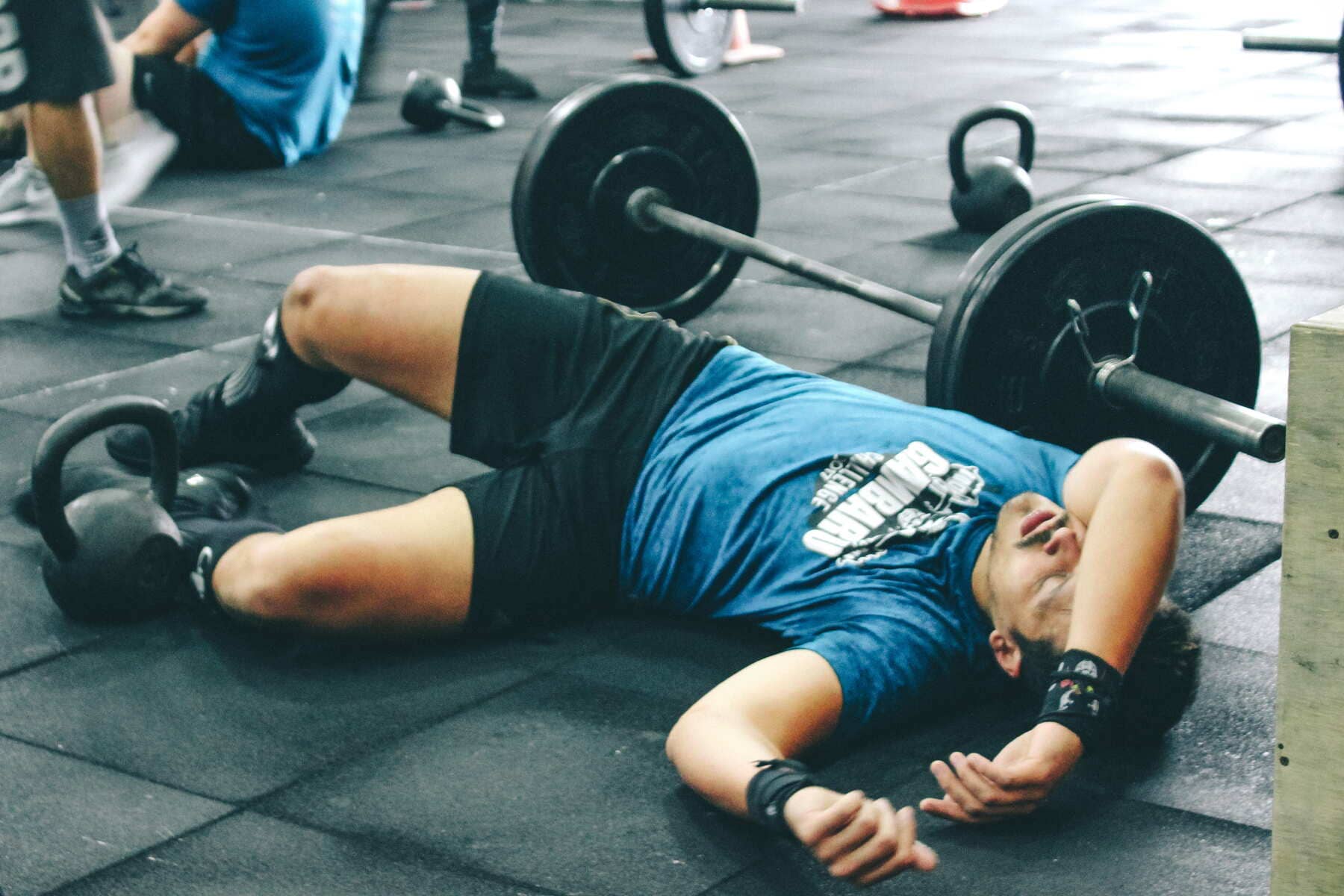
Credit: Muscle+Brawn
Unrealistic Standards: 8 Billion People, 1 Ideal Form
Alongside these structural barriers, shifting body ideals have reshaped how people view fitness. The long-standing thin ideal for women and hyper-muscular ideal for men has been increasingly replaced by a unified “fit ideal,” a blend of leanness and defined muscularity. While this shared ideal may appear more gender-neutral, it remains unattainable for most people, and social media further amplifies pressure to conform. A recent study found that exposure to “fitspiration” content significantly lowered body satisfaction. Women’s dissatisfaction was found to most often be tied to peer comparison, while men were more commonly engaging in extreme exercise or restrictive bulking and cutting cycles.
Pursuit of such a narrowly defined “ideal” appearance can push individuals toward damaging and potentially deadly behaviors like extreme dieting and eating disorders, which are linked to metabolic slowdown, nutrient deficiencies, low bone density, and menstrual irregularities. Orthorexia, an obsession with eating only “clean” or “pure” foods, can lead individuals into anorexia and bulimia, which can cause cardiac complications, infertility, long-term organ damage, and death.
Too Much Exercise Is Just As Bad As Too Little
Compulsive over-exercise, which is often praised in fitness culture, can also undermine well-being. Research in the Journal of Eating Disorders shows that excessive exercise contributes to immune dysfunction, stress fractures, chronic fatigue, and hormonal disruption. Women, in particular, may be at risk of amenorrhea and symptoms associated with the Female Athlete Triad, a medical condition consisting of three connected components: low energy, menstrual dysfunction, and low bone mineral density.
For men, the pressure to achieve a muscular physique has fueled rising use of anabolic-androgenic steroids and unregulated testosterone supplements. According to the National Institute on Drug Abuse, steroid misuse can cause heart disease, liver damage, infertility, and increased aggression, yet many users turn to these substances primarily for appearance rather than performance.
Unrealistic and gendered body standards in the fitness world are not superficial concerns; they shape how people feel in fitness spaces and the risks they are willing to take to participate and achieve an idealized look. Addressing these issues requires cultural change, challenging narrow body ideals and structural change that makes fitness more equitable and accessible. By acknowledging the complex ways gender influences fitness experiences, we can build healthier, more inclusive environments that support people in pursuing movement for well-being rather than perfection.


We support DEI through practical solutions for organizations of all sizes. Discover more on our About Us page.