Philanthropy is often seen as a straightforward act of helping others, but the reality is more complex, and the way we approach it can shape its impact. At its core, it is about what we can give to people in need. Projects with this intent are most often taken on by outsiders with the best intentions. However, good intentions aren’t enough. When philanthropists are part of the majority, the solutions they come up with will be influenced and limited by their experiences. A solution can be generous and innovative while still being poorly suited to the people it is supposed to serve. That lack of perspective comes with the lack of a DEI mindset, and they remain unaware that they do not know what they do not know.
They Aimed to Do Good, but Unfortunately Created Friction
Everyone has heard of the PlayPump, a famous example of philanthropy gone wrong. Evaluations found a multitude of problems, and 63% of Zambian users said that they had not been given a choice in the installation. Even though it has been many years since PlayPump, philanthropic efforts of today have failed to learn from its mistakes. Communication between philanthropists and the local communities they claim to be helping is still not a priority. C-Quest’s cookstove projects had also looked promising as an effort to provide a limited-smoke cooking implement for people in Zimbabwe. However, the communities were not adequately informed about the secondary purpose of the cookstove: generating carbon credits. The recipients of the stoves had believed that the stoves were simply donations and received none of the revenue that C-Quest collected by selling those carbon credits to other corporations. To add injury to insult, the cookstoves often broke, making them unusable.

Credit:John Pannell, CC BY 2.0, via Wikimedia Commons
Avoid the Arrogance of Assuming You Always Know Best
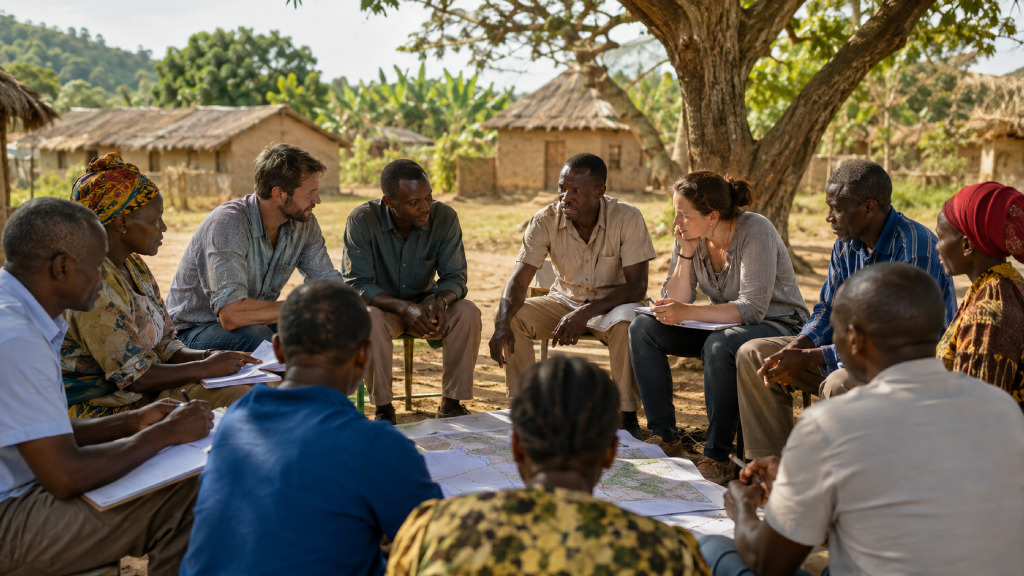
Seeking out diverse perspectives, especially from those most affected by the problem philanthropists are trying to tackle, is the path forward from these failures. Since cultural knowledge, infrastructure, and community preferences affect whether a solution actually works or not, including locals in planning gives organizations information that outside experts may not have. On a smaller scale, I have personally experienced how men tend to assume they know better and “mansplain” topics they believe I, as a woman, could not possibly have knowledge of. This closely mirrors how some philanthropic ventures work on a larger scale. Solutions are imposed based on what organizations assume the communities need, rather than understanding that communities have expertise of their own.
It is necessary to build infrastructure and actively foster digital inclusivity and opportunity in all spaces. This connectedness will enable people to seek help for what their communities actually need, providing the local knowledge and understanding necessary to find real solutions.
The Simplest Strategy for Success: Listening
BRAC’s Manoshi Project, a health initiative to reduce maternal and child mortality in Bangladesh, committed to communication. BRAC worked with local leaders, mapped communities, sought feedback, and incorporated traditional midwives into the program rather than ignoring a trusted source. Within six years, facility births increased dramatically while mortality fell. A successful mirror of C-Quest’s failure is Ghana’s Gyapa cookstove project. Their stoves were developed with local Ghanaian cooks and artisans using recycled materials, now supporting more than 700 jobs and being adopted by more than 2.6 million low-income households.
Philanthropists often choose to fund shiny solutions instead of practical ones, which can result in the opposite of what they purport to achieve. The failure of these projects shows that poverty can’t be solved by transferring a successful-looking solution from one environment to another. We, as philanthropists and everyday citizens wanting to help, should realize that we are inside our own echo chamber. We should actively make efforts to reach out to the people we are trying to help and stop making charity all about ourselves.

Credit: Moussa Kalapo, CC BY-SA 4.0, via Wikimedia Commons
This article was written by an anonymous guest contributor.

Learn from real business case samples and empower your organization with DEI strategies. Visit our About Us page to explore further.