Travel is more than getting from one place to another. To travel confidently, people need to know where to go, how to find their route, and where to get help if they need it. Many transportation systems try to be accessible, but they often assume that disability looks the same for everyone. In reality, different travelers have different needs, and one solution cannot work for everyone.
An Illusion of Accessibility
18.6 million disabled Americans reported that their disability limited their ability to travel outside of their homes. An accessibility accommodation that is effective for one type of traveler can be totally inaccessible to another. A traveler who is hard of hearing may miss an important audio announcement, while someone with low vision may struggle to read signs. For those people who have invisible disabilities, accommodations become even more complex. Unlike a person in a wheelchair or a person who uses a white cane, invisible disabilities are not obvious or easily seen by others, meaning support and assistance are unlikely to be offered even when they are needed. For example, a traveler with autism could become overwhelmed and overstimulated in a crowded, noisy station and might appreciate a guide who cuts through the distractions to show them directly where they need to go. When transportation providers make assumptions about who is deserving of assistance, they create new obstacles instead of removing them. A one-size-fits-all approach may seem helpful, but it often overlooks what people actually need. To achieve truly accessible travel, we need to develop several layers of support that go beyond assumptions.
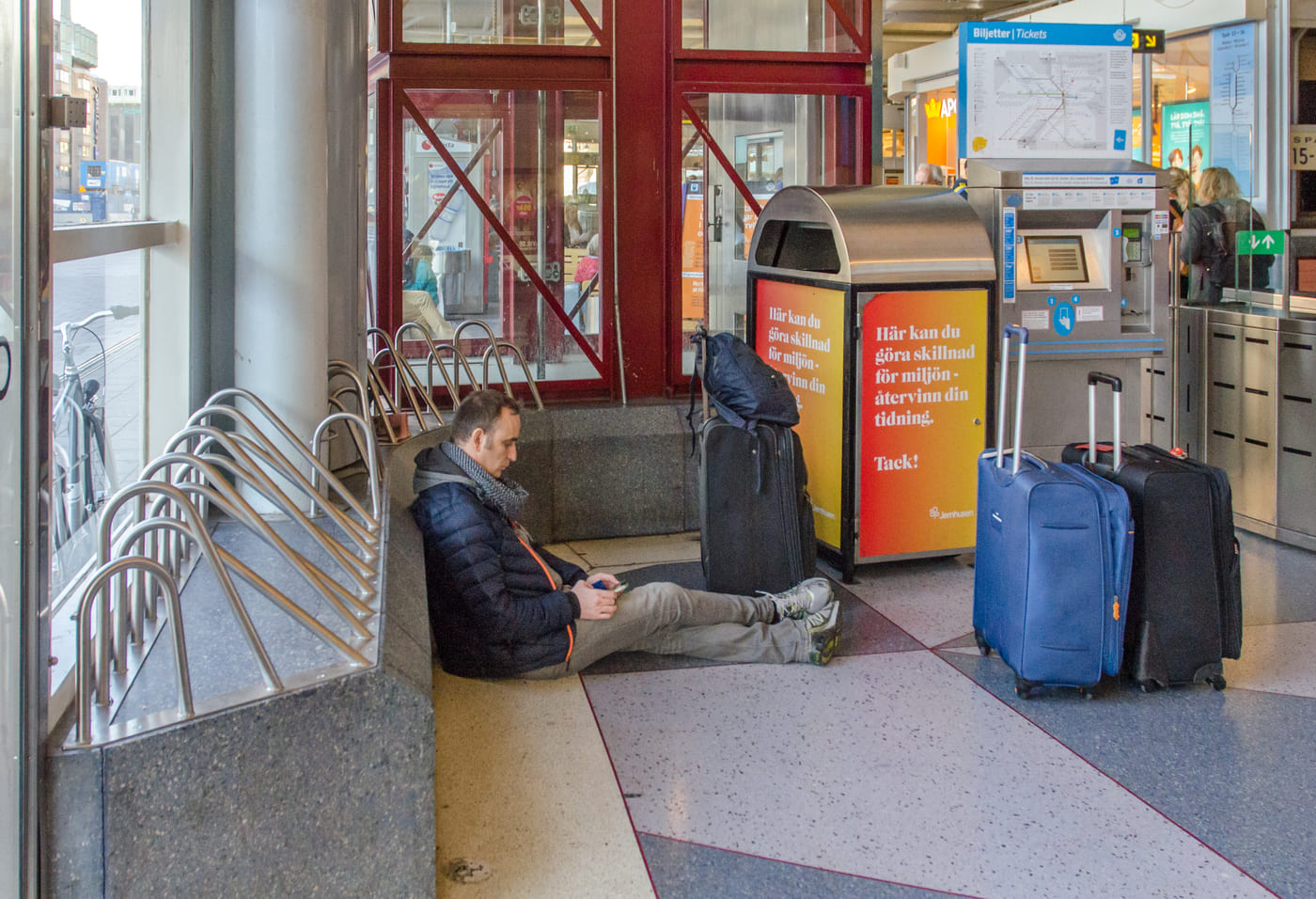
A personal travel story from The Aural Report shows the gaps in the existing system. The writer, who has hearing loss, asked for assistance at an airport. Instead of receiving the communication support she needed, she was given a wheelchair, even though she could walk independently. Not only did this fail to remove the barrier to access that she was experiencing, but it also ignored her bodily autonomy by forcing her to use a wheelchair she did not need. This refusal to provide the appropriate accommodation for the writer is itself a form of discrimination and ableism.

Data: The Century Foundation
Expert Voices, Expert Solutions
Former Paralympic champion and disability advocate Baroness Tanni Grey-Thompson has pushed for better accessibility in air travel by encouraging transportation providers to actively include disabled people in decision-making. Her work highlights an important principle of DEI: the people most directly affected by problems and societal barriers should have a meaningful voice in shaping the solutions. This means people with disabilities, invisible and visible, deserve an equal say in decisions that impact their independence and dignity. By listening to minority and underrepresented voices, organizations can better understand the true problem and create inclusive supports that are genuinely useful.
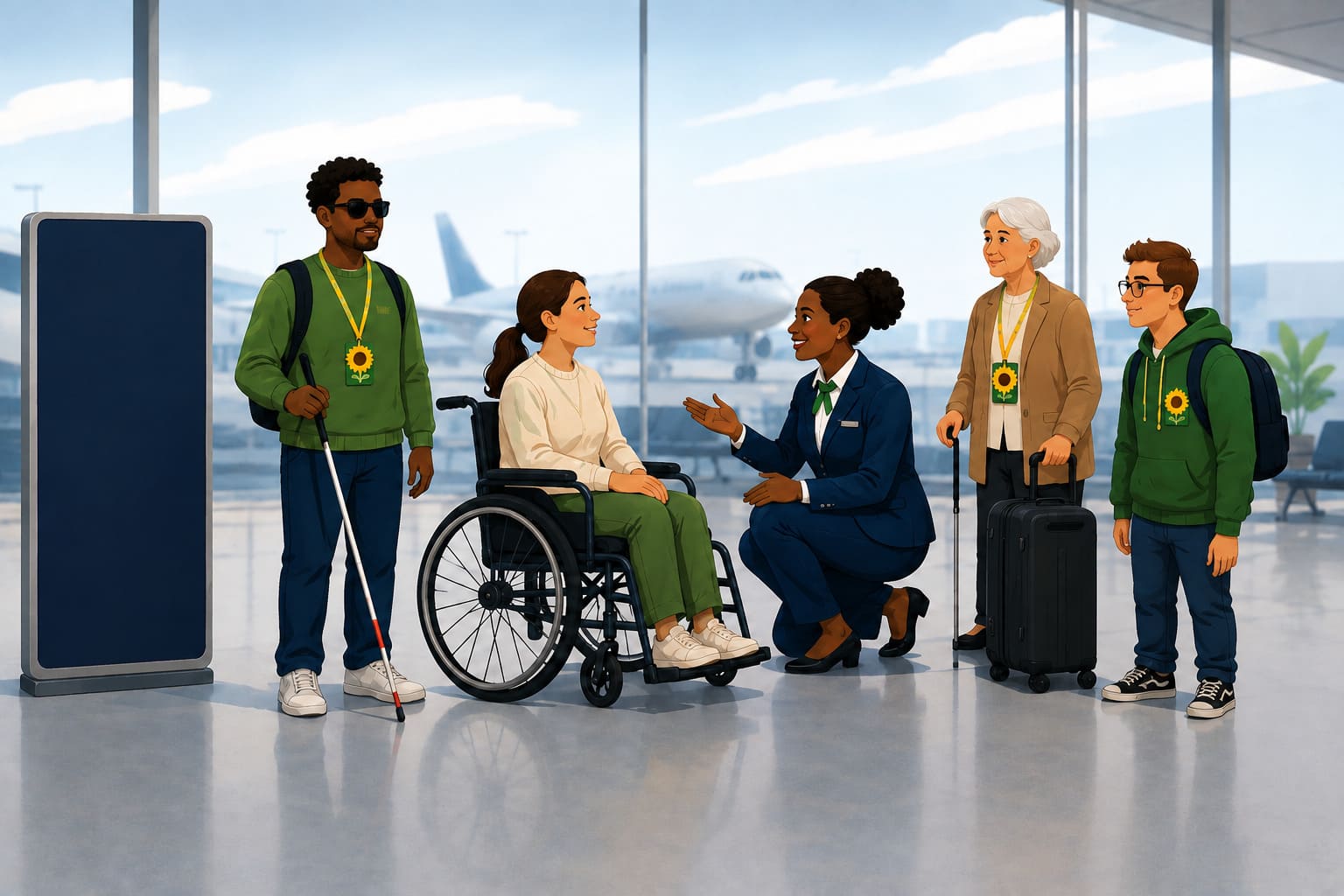
In our increasingly global and mobile world, transportation systems must become more inclusive. The Hidden Disabilities Sunflower is one movement that aims to support those efforts in air travel. Using a sunflower badge, disabled people can subtly signal that they have some form of disability and would appreciate additional support. Workers and fellow passengers familiar with the program can know at a glance who requires assistance or additional grace, without burdening disabled travelers with the need to explain their personal information repeatedly.
At Some Point in Their Lives, All People Will Come to Appreciate Inclusive Design
Able-bodied people must not thoughtlessly disregard ableism and accessibility issues as irrelevant to their lives, since anyone can develop a disability at any time. Building more accessible systems will ensure that all travelers can maintain their independence and overall well-being regardless of support needs. When transportation systems finally recognise that doing so will require accommodating those with different or conflicting needs, they will create a traveling experience that is easier and more respectful for everyone, now and forever.

Credit: John Robert McPherson, CC BY-SA 4.0, via Wikimedia Commons
This article was written by a guest contributor, F. Makoni.

We support DEI through practical solutions for organizations of all sizes. Discover more on our About Us page.