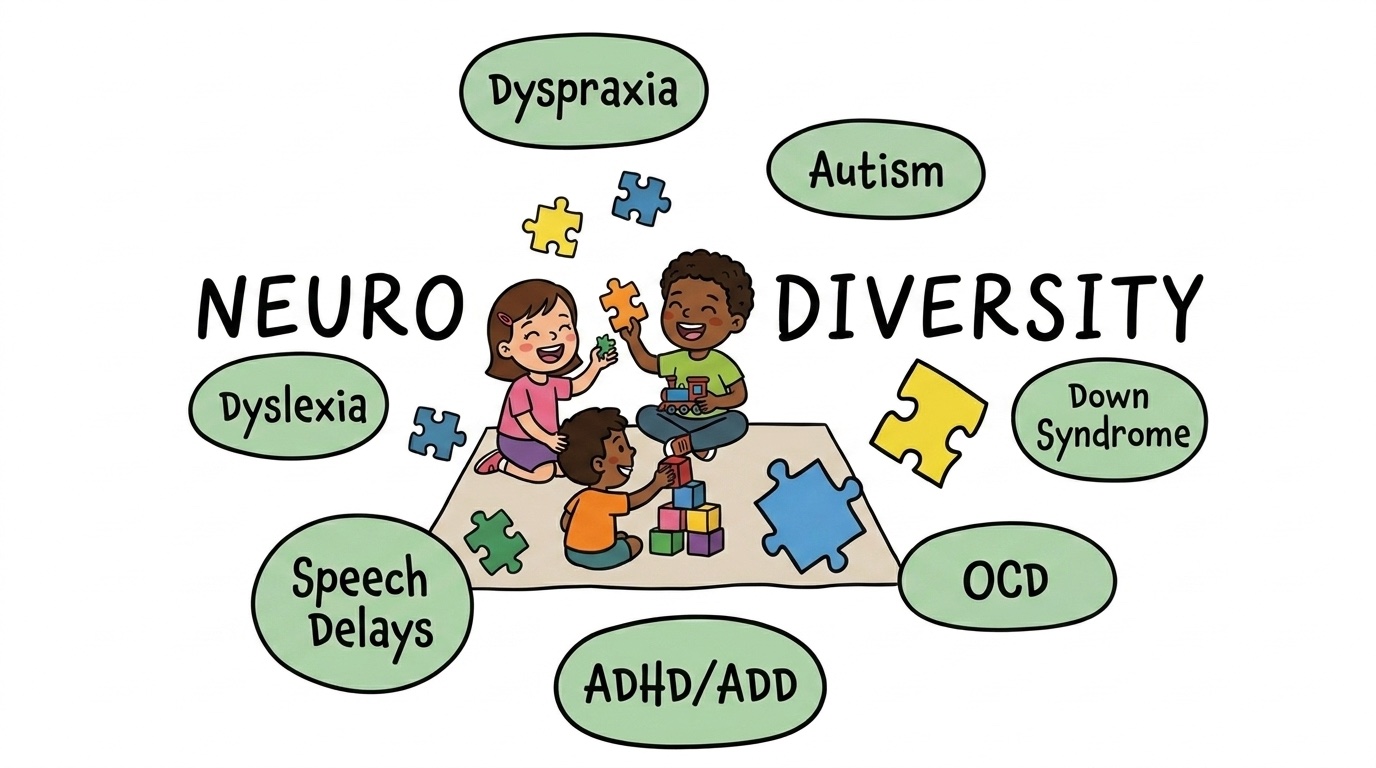
The difference between neurodivergent and neurotypical individuals comes down to how their brains process information. A neurotypical brain is considered “typical”, meaning the way a person interacts, thinks, and behaves aligns with the way the majority of people in society do. Neurodivergent individuals often perceive, communicate, and respond differently to their environment than a neurotypical person does, which brings its own strengths and challenges.
The Strain of Hiding Yourself to Fit in
In daily life, these differences can show up in social interactions. Neurodivergent people may find reading body language or understanding unspoken social cues to be difficult. Some individuals may also experience sensory overload in environments that are loud or crowded, which can feel overwhelming. Because of this, many neurodivergent people feel pressure to “mask,” meaning they hide or adjust their natural behaviors to blend in with others. While masking can help avoid judgment, it often comes at a cost, leading to anxiety, exhaustion, and a loss of identity.
These experiences are more common than many people realize. In fact, 15% to 20% of the global population exhibits traits of neurodivergence, such as obsessive-compulsive disorder (OCD), attention-deficit/hyperactivity disorder (ADHD), and autism. Although individuals with these traits are sometimes stereotyped as lazy, awkward, or irresponsible, they bring their own different and valuable perspectives.

Credit: Laila A. Lico via Brighterly
Society is not One-Size-Fits-All
This is especially clear in classrooms where students are expected to actively participate, respond quickly, and take in a large amount of information at once. For many students, this expectation can make learning stressful rather than effective.
In many cases, the challenges neurodivergent individuals face are shaped not only by how their brains work, but also by the environments around them. Spaces such as schools, workplaces, and social settings are often designed with neurotypical people in mind, which can make everyday tasks feel more difficult. This trend is seen in education and workplaces across many countries, including the United States, the United Kingdom, and Australia, whose systems are built around similar expectations.
Instead of focusing on understanding the material, these students may spend more energy trying to keep up with the pace of their peers. This can impact confidence, participation, and overall performance, even if the student understands the content that is being taught.

Analyzing the rank order of CliftonStrengths themes across neurodiverse and neurotypical populations
Credit: Katelyn Hedrick, Rachael Yi and Jim Asplund via Gallup
A Difference, not a Deficiency
These challenges do not mean that neurodivergent individuals are less capable, but rather that environments are not always designed with different ways of thinking in mind. With more open conversations acknowledging these challenges and the need for more supportive environments, neurodivergent individuals can succeed and showcase their strengths.
In recent years, more organizations and advocates have begun speaking out and pushing for greater awareness and inclusion. Many companies are beginning to recognize neurodiversity as a strength, with organizations like AMC Theatres, Goldman Sachs, Google Cloud, and more making an active effort to hire neurodiverse individuals. These companies have developed hiring initiatives designed to identify and celebrate unique talents, while creating more equal opportunities in the workplace.
As these efforts continue, we will all come across more opportunities to support neurodivergent individuals. By shifting our expectations and building environments that allow everyone to work and learn in ways that suit them best, both neurodivergent and neurotypical individuals can succeed together.

Credit: Image via Magnific
This article was written by a guest contributor, M. Hickman.

Why not become an advocate and ally? Discover more and get involved!