For many, having tattoos is like having a powerful, visual language on your body. Despite growing acceptance of tattoos in general and professional settings, many employers continue to enforce outdated appearance standards instead of focusing on job capability. It’s no secret that corporate culture has favored a specific image for decades that does not include body art. Employers have associated professionalism with conservative clothing, natural hair colors, and no visible tattoos to create the polished look you often see in workplaces today.
Lookism: Legal Form of Discrimination
While there are no laws explicitly stating that individuals with tattoos cannot be hired in specific fields, many job applicants with visible body art face challenges that people without tattoos do not.
These challenges are often intensified for women due to societal expectations regarding femininity and modesty, which intensify anti-tattoo bias. This gendered double standard leads to women with tattoos being judged more harshly than men when applying to customer-facing or corporate positions.
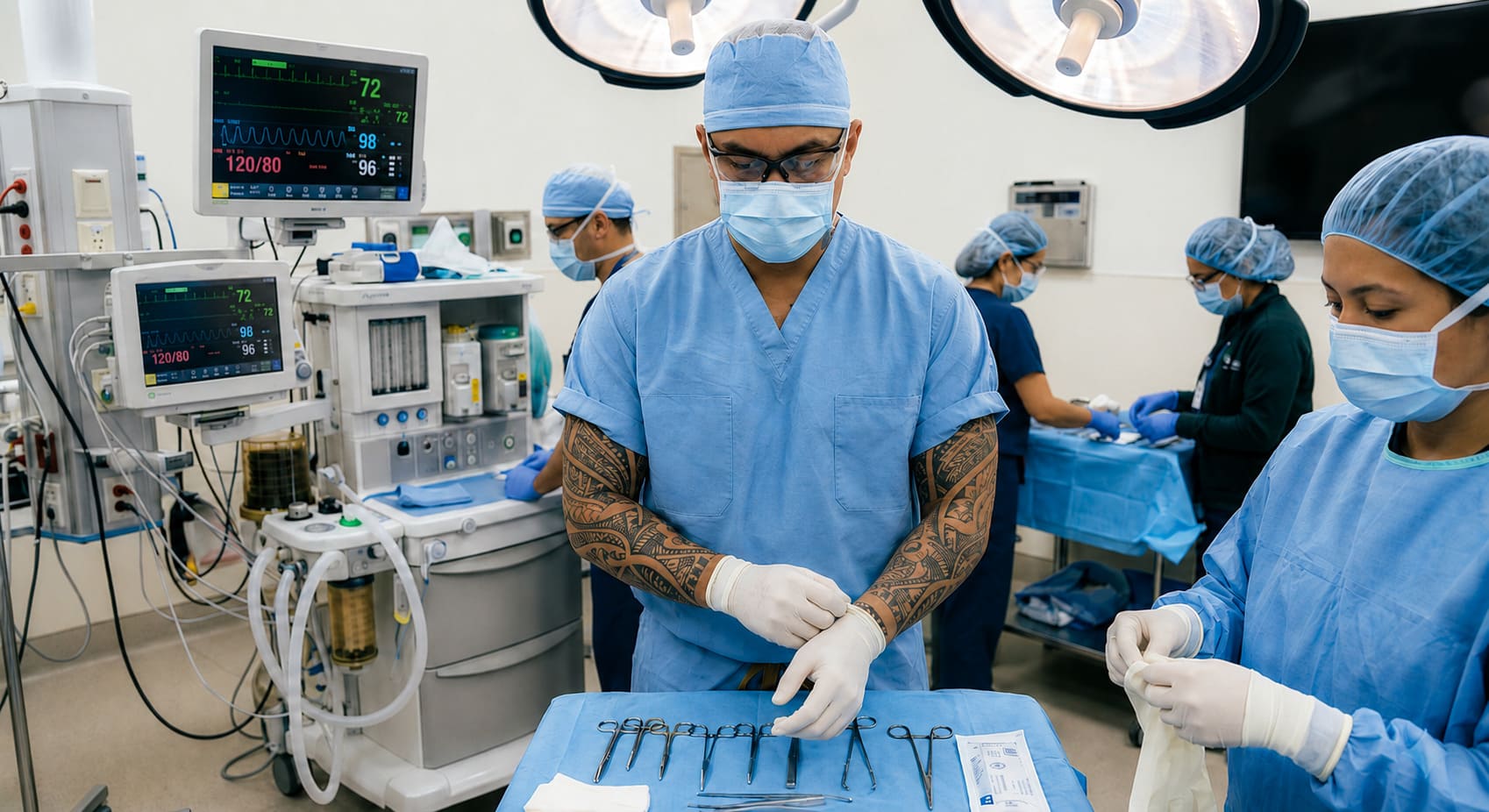
New data shows that 32% of Americans have at least one tattoo. Prestigious careers like medicine have always been more strict in their dress codes and idea of professionalism, yet roughly a quarter of all physicians have tattoos. Assuming that every tattooed person is less qualified for a job overlooks all of the deeply personal reasons a person would get a tattoo, such as in memoriam to a family member or to celebrate their culture and individuality.

Credit: 32% of Americans have a tattoo, including 22% who have more than one, Pew Research Center, Washington, D.C. (August 15, 2023)
Professionalism Bias Targets Natural Body Parts As Well
Western ideas of professionalism and neatness are inherently conservative, prioritizing white bodies and standards of dress, which tattoos do not fall under. The same bias that penalizes workers for tattoos also punishes minorities for deviation in their hair. As there are no legal protections for those with brightly or unnaturally colored hair, they may experience hair-based discrimination or be required to re-dye to a natural hair color in order to keep their jobs.
There is also a well-publicized bias against Black people who wear natural hairstyles in professional settings, with Black women in particular being pressured to chemically straighten their hair or wear wigs to fit in.

Zoë Garbett (Mayor of Hackney, UK)
Credit: Hackney Council, OGL 3, via Wikimedia Commons
In fact, data shows that more than 20% of Black women have actually been asked to leave work because of their hairstyle. Legal protections for natural hair were formalized by the CROWN Act in 2023, yet the cultural bias against “unprofessional” hair remains. Hair and tattoos might seem like totally different characteristics, but the underlying bias against self-expression is the same.
You Are More Than Your “Image”
Professionalism should be measured by an employee’s work ethic and job performance, not by whether or not they conform to a culturally-biased standard of appearance. Thankfully, starting with Millennials and now Gen Z, diversity and individuality are becoming priorities. Disney recently relaxed its theme park dress code to permit staff to have visible tattoos. Disney is notorious for strictly upholding a “family-friendly” environment, so its acceptance of tattoos is a strong indication that the cultural view is changing. Workplaces that refuse to evolve and continue to enforce discriminatory appearance standards will suffer the consequences of overlooking talented job applicants just because of their personal style.

This article was written by a guest contributor, H. Clouser.

Ready to empower your team and organization? Explore DE&I best practices and success cases. Learn how to get started with our resources.