When the game South of Midnight was released, I thought it was bold and refreshing to see a black female lead in a video game. I felt similarly when Ghost of Yōtei was released with a Japanese female lead in a historical setting, an environment where women’s perspectives are often overlooked. To my surprise, it seemed that many other gamers did not share the same sentiment.
An Uncomfortable Thing Isn’t Necessarily A Bad Thing
There was intense backlash against not only the games but also the studios that created them and the actors portraying the female leads. Critics and trolls alike claimed that a female lead felt “forced” on them and complained of too much diversity. On the surface, the backlash seems aimed at diversity itself, but, in reality, it’s a discomfort with change. The video game industry isn’t being “ruined” by diversity; it’s evolving, and evolution often comes with resistance.
Failing to Embrace Increasingly Diverse Audiences
Some gamers even believe this evolution of DEI in gaming hurts quality. A psychological principle called the endowment effect explains that people value systems they feel ownership over and resist changes to them. In addition, people tend to react negatively when familiar group norms shift. For decades, gaming was widely perceived as a male-dominated space. As the audience has broadened and become more visible, some male players interpret the inclusion of female leads and minorities as displacement because it means the loss of a gaming culture they believe belongs primarily to them.
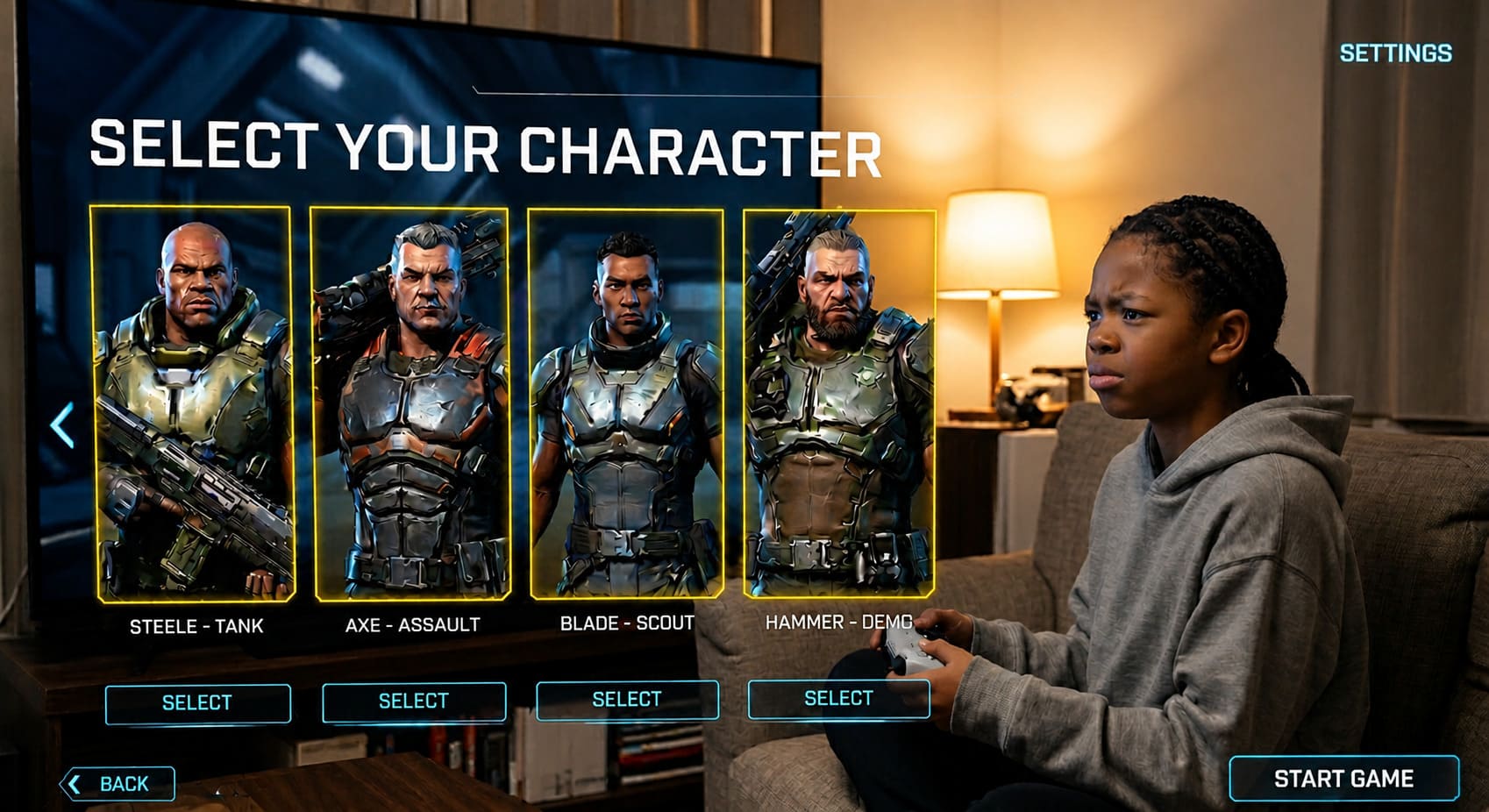
The claim that diversity is harming gaming doesn’t match the data. Nearly half of gamers are women, and a majority of gamers want more diversity. 64% of gamers are more likely to play games with diverse characters. When you look at a game’s customization options, it gives you an insight into how game developers expect their audiences to look. When customization is limited to traditional Eurocentric beauty standards, it shows that the developers never considered that people who look differently may want to play as well. When I am unable to make a character that looks like me, the chances that I will be motivated to continue playing the game significantly decline, as it makes me feel unwelcome and excluded.

Share of internet users worldwide who play video games on any device (2025)
Credit: Worldwide, GWI, and DataReportal via Statista
A “Gamer” Looks Like….
Gaming is now global, mainstream, and diverse across gender, race, and identity. The content of games is slowly catching up to the reality of the audience that plays them, but the industry still has progress to make, especially in areas like queer storytelling. However, it has made strides in improving others, such as accessibility.
It’s time to upgrade the conversation. Sometimes criticism is valid; poorly written characters, shallow representation, or tokenism can feel just as off-putting as weak storytelling or bad gameplay design. So, instead of complaining when a female or minority is the lead in a game, players need to reflect on what exactly is bothering them. Increase your exposure to different perspectives by giving the game a chance before dismissing it altogether. If you give the game an honest shot, but still feel it could have done better, hold the studios to a higher standard and offer more useful feedback to the developers: “This character feels underdeveloped because…” This way, the diversity will feel genuinely integrated into the story. Communities are built by contributors, not just critics.

This article was written by a guest contributor, G. Johnson.

Encourage DEI in your organization with programs tailored to your needs. Find out how we can support you on your DE&I journey.