
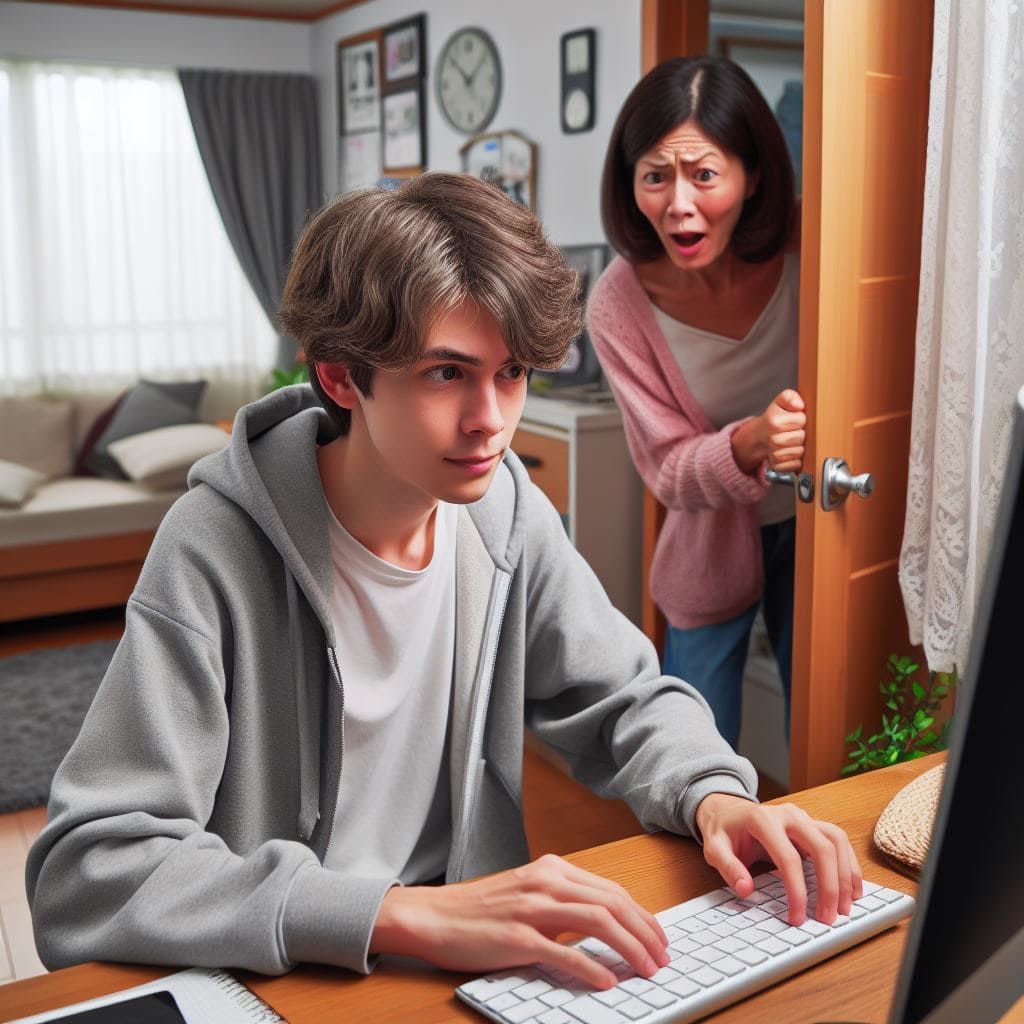
Misogyny (the hatred of or prejudice against women) appears to be becoming more common among the young people in the United Kingdom. Parents and teachers believe that this issue is becoming too big to manage on their own, so the teacher’s union has asked for help. They believe that the boys have been influenced by what they have seen online, so they are asking the government to place restrictions on the internet. They hope that this will prevent children from seeing “harmful” content that could negatively influence them.
The Risks of Government Censorship
I highly doubt that this will have the intended effect. Even if the goal of de-radicalizing young boys is admirable, government censorship of the internet is a slippery slope. It is more likely to hurt minorities and vulnerable populations than solve the issue of misogyny. After all, is there truly one person that everyone can trust to determine what is appropriate for children? If that person does exist, then how can we make sure their decisions don’t affect or limit adults?
If the only stated goal is to remove harmful content, it is very easy to see the danger. Just one person with a different mindset could change what “harmful” means. That person might believe that certain political views, religions, or minorities like the LGBTQ community are harmful. They could decide that those people aren’t allowed to use the internet based only on their personal opinion. That is deeply unfair and only adds to the problem of discrimination.
A Case Study: FOSTA-SESTA
There is a recent example of this happening. In the US, the FOSTA-SESTA bill was passed to close online platforms that they claimed enabled sex trafficking and sexual exploitation of women. Many new internet restrictions followed. Unfortunately, it did not help. In fact, FOSTA-SESTA had no real effect on trafficking. It did, however, make things less safe for the mostly female sex workers who could no longer use the internet to receive payments and protect themselves
Alternative Solutions: Supporting Social Programs
In my mind, a better solution is giving more support and funding to social programs for kids. The problem is that today’s children have nothing to do but stay home and browse the internet on their phones. In the past, children were allowed to go outside and roam free with their friends. There were a lot of “third spaces,” or places they could go and spend time for free. They could wander the streets, visit shopping malls, and play in parks.
That is no longer possible. Police are called on children in parks or wandering unaccompanied, and many shopping malls do not permit anyone under 18 to enter without an adult. This situation is not tenable. If we want kids to be kinder and more empathetic, they need chances to spend time with other people, especially those who are different from themselves. They won’t find that sitting at home, browsing a restricted internet.

We support DEI through practical solutions for organizations of all sizes. Discover more on our About Us page.


