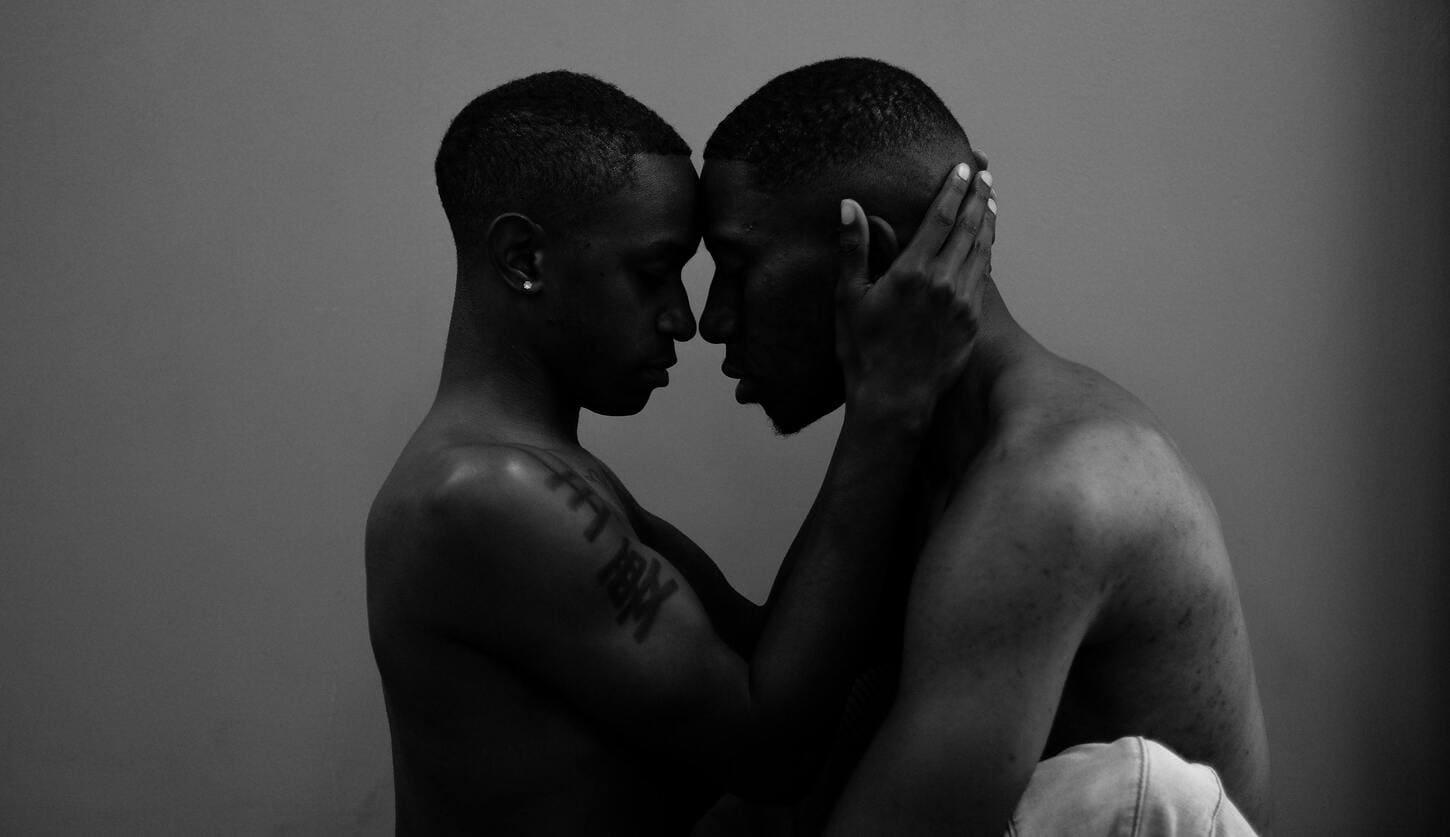
Nigeria’s stance on LGBTQ rights remains one of the most repressive in the world. Under its laws, homosexuality is criminalized, with severe penalties including up to 14 years in prison for same-sex relations and 10 years for public displays of affection by same-sex couples. These laws are a mirror reflecting a society that, at its core, is not just unsupportive but often aggressively hostile toward the LGBTQ community.
Bobrisky, Nigerian LGBTQ Icon
In this light, the figure of Bobrisky, born Idris Okuneye, stands out starkly. Bobrisky is one of Nigeria’s most prominent social media personalities; she is known for being a controversial figure, both celebrated and vilified, bringing visibility to Nigeria’s LGBTQ issues in unique ways. Her case opens the curtains on how the law, societal prejudices, and the harsh realities faced by LGBTQ individuals collide in Nigeria.
The Law Applied Unequally
In April 2024, the glamorous and controversial Bobrisky found herself at the center of a legal storm that shocked both her followers and critics. The charge was not for being a trailblazing figure in the LGBTQ community or for her audacious style but for something as seemingly trivial as throwing Naira notes, Nigeria’s currency, in the air at social events—a practice common in Nigeria’s party scene. The Federal High Court in Lagos sentenced her to six months in prison, without the option of a fine—a punishment that felt as heavy as it was unfair. But here’s the kicker: while Bobrisky was handed a harsh sentence, others caught in similar acts walked away with little more than a slap on the wrist.
Take Cubana Chief Priest, a well-known nightlife mogul who faced the same charges of tampering with the Naira and ended his case with a cozy settlement. Instead of jail time, he forfeited N10 million and agreed to use his platform to educate the public about currency abuse. No prison bars for him, just business as usual. Several other have been arrested in Gombe for similar acts, and never saw the inside of a cell. Their cases barely caused a ripple compared to the tidal wave that hit Bobrisky.
Systemic Discrimination Against LGBTQ Nigerians
So, why was Bobrisky treated so differently? The discrepancy raises uncomfortable questions. Could it be that her identity as a transgender woman played a role? In a country where LGBTQ individuals are often targets of legal and social persecution, it’s hard not to see the connection. This case seems to be about more than just currency abuse—it’s a chilling signal to the entire LGBTQ community in Nigeria where the message is clear: step out of line, and the consequences can be dire.
The sentencing sparked a storm of reactions. While social media buzzed with a mix of outrage and support, international human rights organizations condemned the sentence, calling for greater protection of LGBTQ rights in Nigeria. Bobrisky’s case isn’t just about one individual—it’s a symbol of the broader struggle for LGBTQ rights in Nigeria. Her unjust imprisonment for a charge that others escaped with far lighter penalties shines a spotlight on the systemic discrimination that persists. The fight for equality and justice for Nigeria’s LGBTQ community is far from over, and this case is a powerful call to action for all who believe in human rights.

Learning Cycle promotes a variety of programs to help deepen your understanding of DE&I. If you would like to know more about us, please click on About Us.