Credit: Image by Freepik
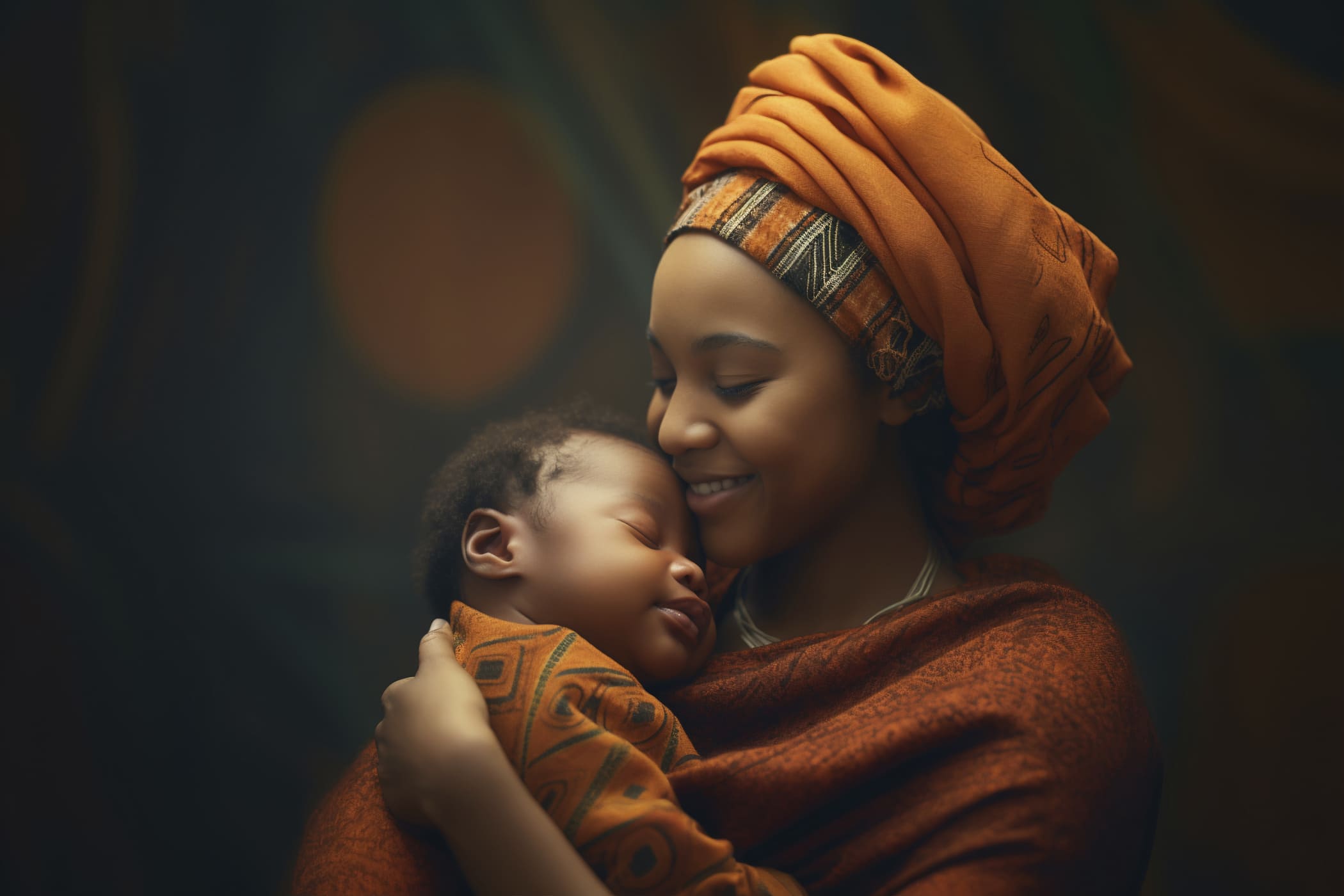
Naming practices vary between cultures. In many non-Western cultures, it is customary to give a child a name based on what their family hopes for them at birth. In some countries, like Nigeria and Ghana, there are baby naming ceremonies, where entire extended families meet and decide on a child’s name based on certain criteria. In a lot of cultures, the thought that goes into the process of naming one’s child is deeply considered, and it is one done with care.
Pressures to Conform
Unfortunately, many people who migrate to the West experience bosses, colleagues, peers, and friends mispronouncing their names or giving them unwanted nicknames because saying or spelling their unfamiliar names feels too hard. Dr. Ranjana Srinivasan refers to these instances as name-based microaggressions. It is one of the reasons why immigrants to Western countries prefer to use Anglo names, and/or give their children Western-sounding names that are easy to pronounce.
A Multicultural Identity
Most people I know have at least one traditional name and one Western name. If you were to ask their parents why they gave their child both a traditional name and a Western name, the answer would likely be so that their kids could fit into the cultural norms of different social contexts, would not struggle to find jobs, or would not have people mispronouncing their names in the future. This is commonplace for non-Western families living in previously colonized countries and for those who have emigrated to give their kids better economic outcomes.
Assimilating to the culture of the country you move to is not bad. In fact, it is empowering for many. Being able to learn a new language, follow new laws, and establish yourself someplace new can induce a sense of accomplishment. However, being pressured to fracture an essential part of your identity may eventually lead to lower self-esteem and possibly even a decline in well-being. It is especially disheartening when finding a job or accommodation is challenging, and you suspect that it’s due to your traditional name. Our names and identities are inevitably tied to how the people around us view and perceive us.
Microaggression, Major Impact
Using one’s traditional name in a foreign country is not for the faint of heart. You run the risk of repeating your name several times, forever correcting mispronunciations, drawing attention to your ethnicity in a crowd, and people making your name the butt of the joke. This is particularly unfavorable when you are part of a marginalized group. When this behavior is repeated and becomes a pattern, it indicates a lack of respect from the people you are talking to. This may not seem so bad for those who are willing to ignore these microaggressions. However, for others, it can largely impact their mental health and their ability to feel welcome and comfortable in a new environment.
Occasionally being unable to pronounce a name is inevitable. The world is full of language diversity and you will come across people whose names you struggle to say. However, repeatedly mispronouncing their name, not making an effort to learn, or calling them by the wrong name can easily turn into prejudice, especially when not corrected after a few attempts. Being able to correctly call someone by their preferred name is such an important step in fostering a more diverse and inclusive environment for your foreign friends and colleagues.

Everyone is welcome! We offer DEI programs tailored to meet the needs of all experience levels—find out more about our workshops here.