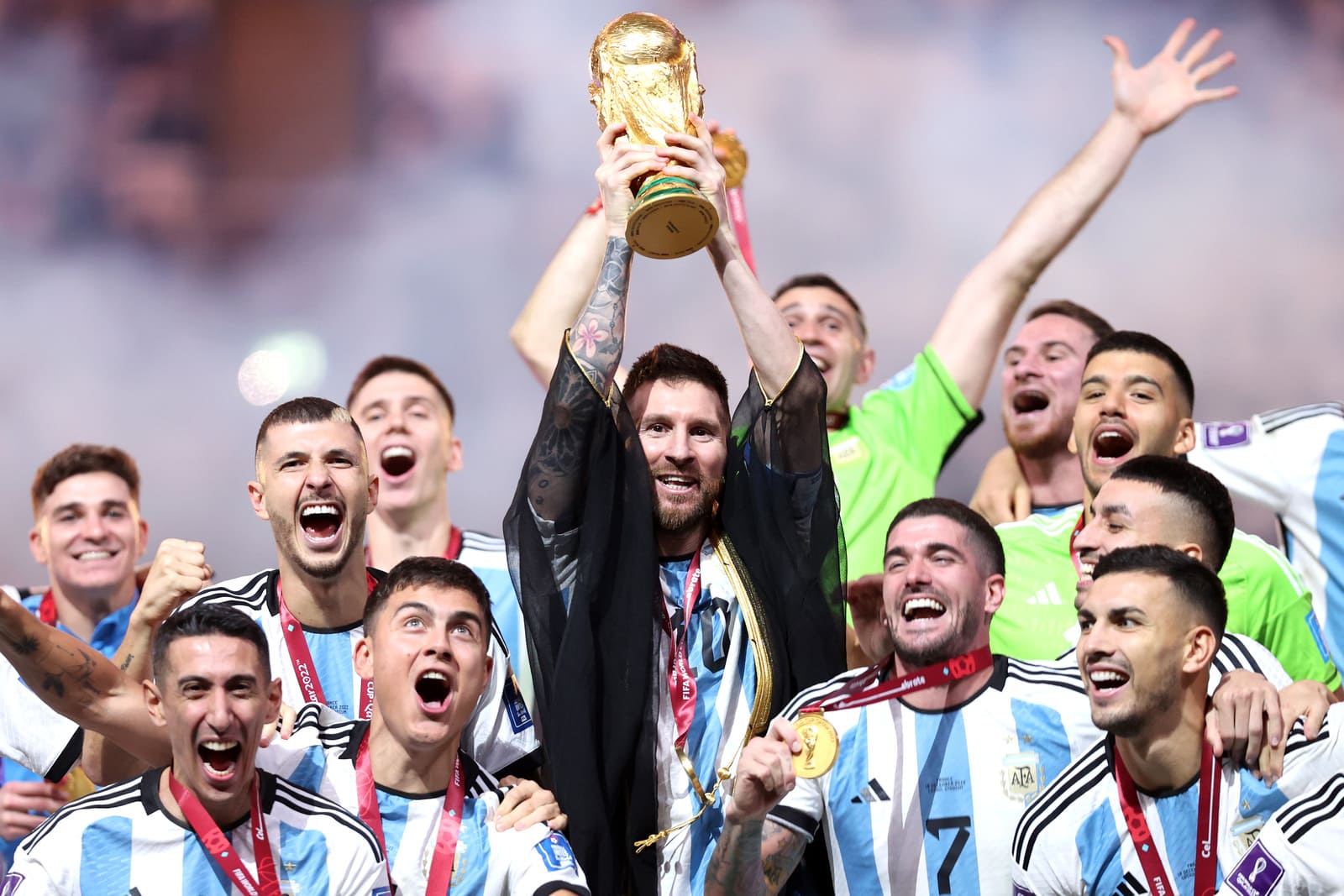
In July 2024, after Argentina’s Copa América victory, national team player Enzo Fernández live-streamed the team singing a chant rife with racist and transphobic slurs directed at the French national team. Far from an isolated incident, this chant has circulated among Argentinian fans since the 2022 World Cup. This shows a persistent issue in Latin American football: while society moves toward inclusivity, football chants remain discriminatory. Recent findings from the Out on the Fields study show that 80% of participants had witnessed homophobia in sports. Although this study was done mainly with European participants, odds indicate that in countries like Argentina where football is the most prevalent sport, numbers should be similar if not worse.
Chants as Football Culture
Football in Latin America and Europe is known for its passionate chants sung by stadiums packed full of fans. Even though this sounds nice and poetic, these chants (more often than not) involve homophobic and racist remarks. High-profile examples, like the Copa América incident, illustrate how these chants impact both players and communities and fuel debates on the need for change.
Why Do Discriminatory Chants Persist?
If society is moving toward greater inclusivity, why do football chants continue to strongly promote hate and discrimination? Research suggests it’s less about intentional bigotry but rather the ingrained culture. These chants often reflect a deep-seated culture of “machismo”, a strong sense of masculine pride, or exaggerated masculinity. This can contribute to the perpetuation of misogyny and toxic masculinity and is very present in football culture, as is the intense team loyalty known in Argentina as “aguante”—a concept that represents stamina but mainly unconditional devotion and support for one’s team. This devotion encourages fans to join in chants without questioning the lyrics, showcasing group identity and loyalty. This social dynamic makes it difficult for discriminatory chants to fade from stadiums without enforcement.

Credit: Светлана Бекетова, CC BY-SA 3.0 GFDL, via Wikimedia Commons
Ongoing Efforts to Boost Inclusion in Sport
To combat these issues, football federations like CONMEBOL and UEFA which regulate football in Latin America and Europe have introduced policies and sanctions to curb discriminatory behavior. CONMEBOL has imposed penalties and mandates anti-racist messaging at games, while UEFA has taken similar steps, including suspensions, fines, and campaigns to raise awareness. However, while these sanctions acknowledge the problem, enforcement is still insufficient and leaves much to be desired. In Argentina, for example, anti-discrimination campaigns are visible, yet discriminatory chants persist as tangible consequences are rarely applied. You can hear the homophobic slurs shouted across the field right after hearing the anti-discrimination campaign over the speaker. Seems ironic, doesn’t it?
While there has been progress, much remains to be done. Football holds a powerful position in Latin American culture, and by promoting a culture of respect and inclusion, the sport can mirror the broader positive changes in society. As tolerance becomes the norm, fans who continue using discriminatory chants may increasingly isolate themselves. Sustained efforts to enforce regulations, combined with education and community engagement, are essential steps to move football—and society—closer to an inclusive future free from prejudice.

Encourage DEI in your organization with programs tailored to your needs. Find out how we can support you on your DE&I journey.