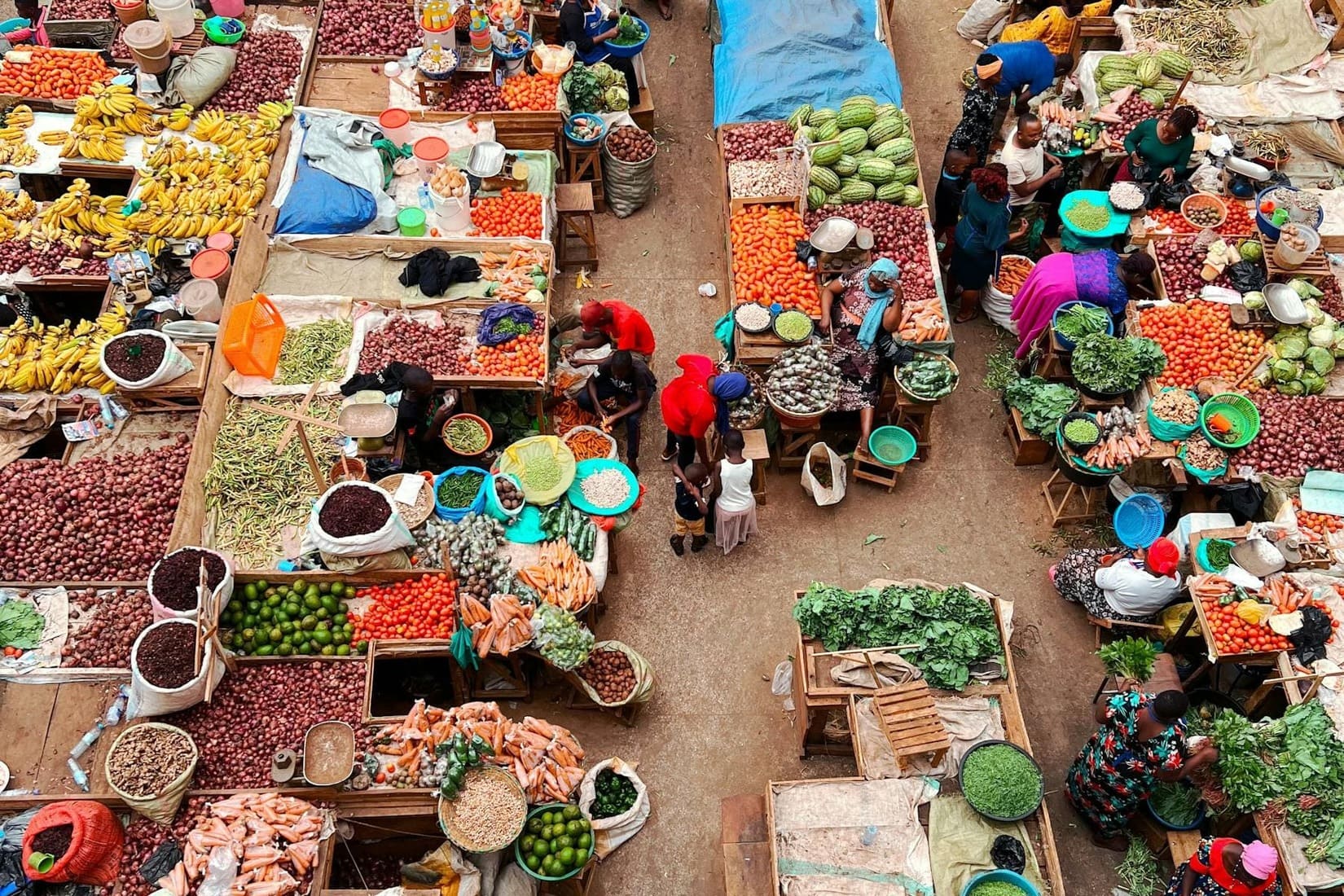
Food is more than just a substance providing us with nutrients; it is a way of life and a representation of one’s culture and heritage. The common phrase “you are what you eat” is more accurate than we might think.
Our Exciting Culinary World
All communities and cultures worldwide have their own unique cuisines, yet acceptance of food diversity varies. Although the minority populations in high-income countries are on the rise and have been for a while, most national foods are not inclusive of the various cultures present in the country. Local cuisine is viewed as “normal,” while traditional foods derived from the culture and heritage of other communities are classified as “ethnic”. Notably, however, “ethnic food” is an othering term only used for foods belonging to minority ethnic cultural cuisines. It is not used to describe international dishes from majority white countries like America and the United Kingdom. This stance thus pushes past taste and preference and becomes a matter of class and racial bias.
Fighting Stigma Against “New to You” Foods
As much as we may hate to admit it, we may all suffer from chronic food neophobia, the fear of trying unfamiliar foods and ways of eating, which feeds into our biases. Labelling a dish as “ethnic cuisine” instead of just food can cause people to judge it more harshly before trying it. Studies done on children and their school lunches show this to be learned behaviour derived from exposure and social pressure. Children from minority groups are often ridiculed for their food choices, resulting in lunchbox shaming and further alienating minority groups. I know when I was growing up, I opted for more westernised food because movies and media alluded to it being a “better” and more classy option in comparison to my typical sadza and veggies.
The way messages about food are framed has a real impact on the way they are perceived by the majority. Our preconceived biases show up in our preferences and perspectives of certain food both consciously and subconsciously, and food appropriation is not an uncommon phenomenon. Cultural cuisines tend to be more readily accepted by the majority when they are made by majority chefs, while dishes made by members of the minority community are viewed are low quality and cheap.
Moreover, the way in which you eat can be culturally prescribed as well. Slurping food is not only common but encouraged in Japan as a sign of enjoyment, yet that same behavior may be disdained as improper in other countries. Eating “ethnic” foods with your hands is viewed as unhygienic and uncouth, but holding and eating a burger or pizza is completely unremarked upon.
Don’t “Yuck” Someone Else’s “Yum”
The first way to combat our bias is to understand that all food is “ethnic” depending on where you are in the world. If we are to truly be inclusive, it extends beyond race and gender, and seeps into the finer details, such as one’s food choices. Exploring food respectfully is also important. If one is to experience foods originating from other cultures, they need to do so with respect. In the end, by broadening our perspectives, we open ourselves up to a whole new world of cuisines we might find that we actually enjoy.


Ready to empower your team and organization? Explore DE&I best practices and success cases. Learn how to get started with our resources.