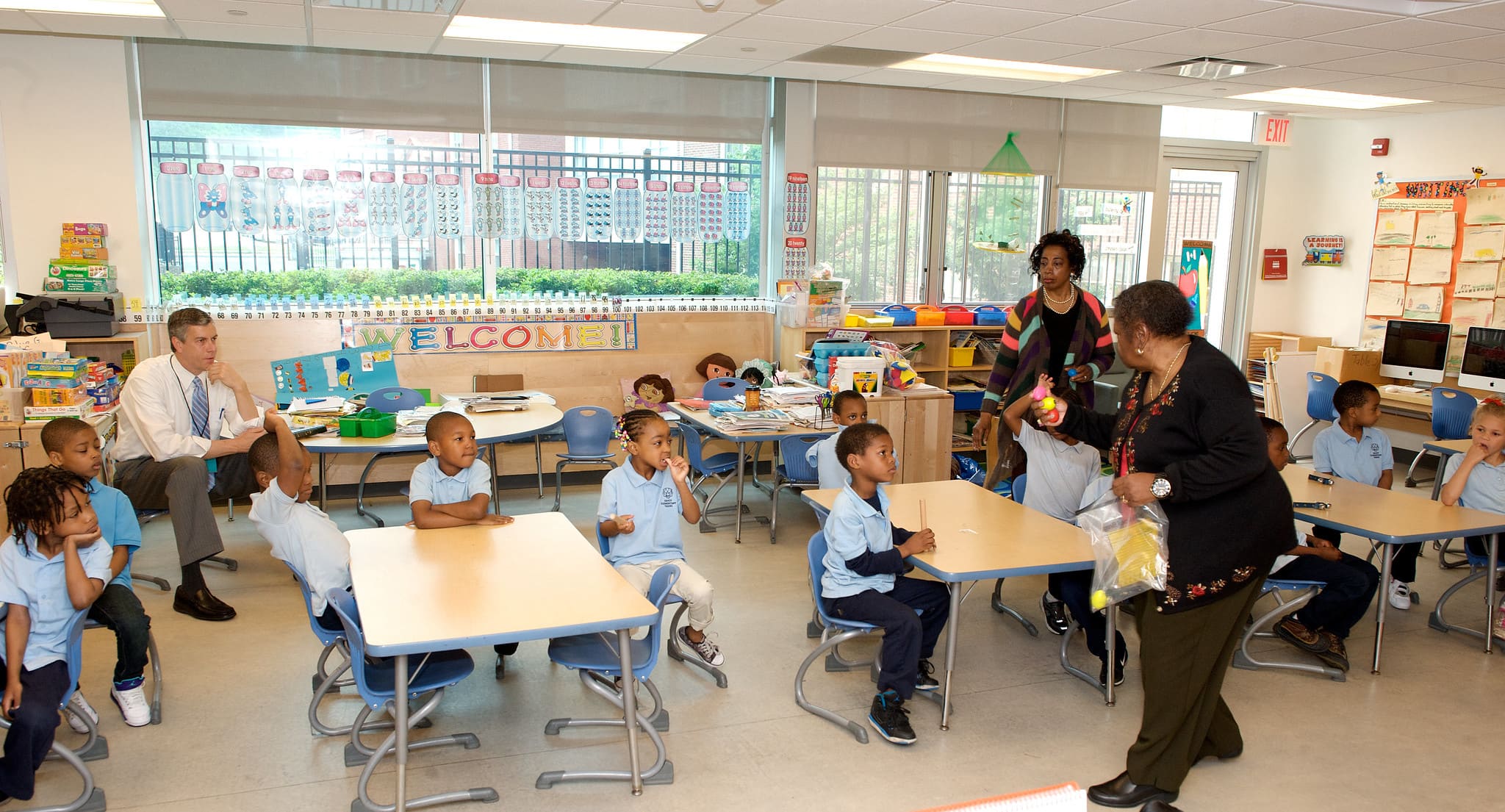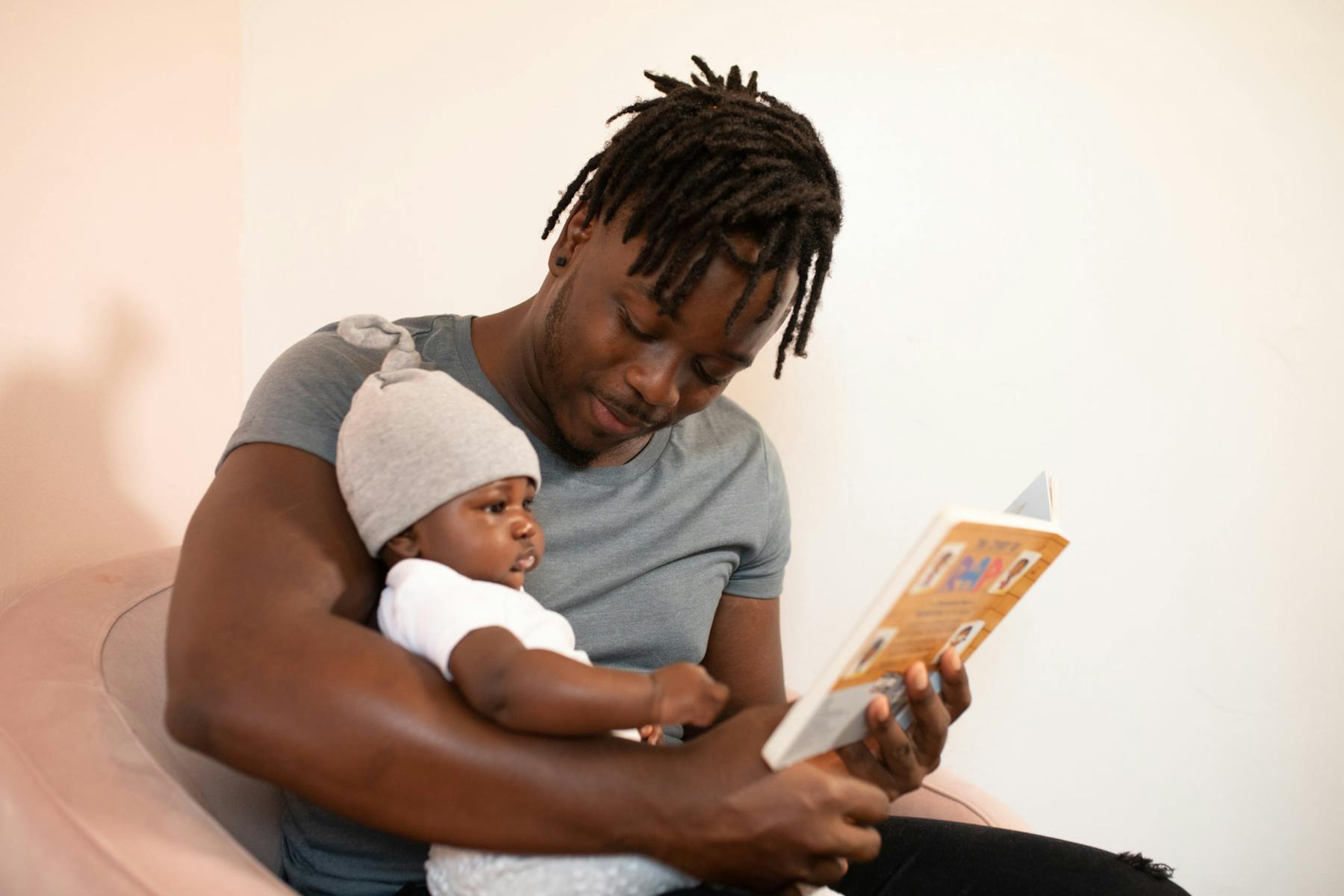
In many societies, mothers are still viewed as the “default parent,” especially when it comes to caregiving and child-rearing. This perception can unintentionally push fathers into secondary roles, even when they want to be active caregivers. While some fathers prioritize work or accept traditional expectations, others experience emotional strain when they are excluded from their children’s daily lives. As family structures evolve, the definition of what it means to be a “real parent” continues to shift. Yet, cultural norms and outdated expectations still shape how fathers are seen and valued in families and society, making it difficult to achieve equity at home.
Misogynistic Norms Can (and Do) Negatively Impact Men
Modern families are more diverse than ever. The rise of dual-income households and varied family models, such as blended families, same-sex parents, and co-parenting, continues to reshape traditional roles. More fathers today are seeking emotional and active involvement, from attending school events to managing daily care. However, cultural expectations continue to link nurturing with motherhood and financial provision with fatherhood. Many workplaces and childcare systems still operate under outdated assumptions that the mother is the main contact, reinforcing the idea that fathers are secondary caregivers.
This creates barriers for men who want equal parenting roles. Separated or divorced fathers face additional hurdles, as custody laws and social systems may limit their access and influence in their children’s lives. The emotional toll of being sidelined can be significant. Fathers who want to be involved may feel guilt or inadequacy when treated as “babysitters” rather than parents or co-parents. Meanwhile, those who do successfully take on primary caregiving roles often face skepticism or judgment from others.
If the Birthrate is a Priority, Why aren’t Fathers Supported?
As families continue to diversify, society must broaden its understanding of what makes a parent. Supporting father involvement, especially in blended or nontraditional families, challenges old definitions of fatherhood, showing that emotional commitment, not just biology, defines a parent’s role. When fathers are supported in nurturing, children benefit from stronger emotional balance, communication skills, and more flexible ideas about gender roles. This strengthens not only family bonds but the social fabric as a whole.
Workplaces play a vital role in normalizing father involvement, not as an exception but as an expectation. To start creating more balanced family dynamics, it is critical that inclusive family policies that support all parents equally are developed. Parental leave for fathers, flexible work hours, and recognition of nontraditional family structures are essential steps toward that goal.
Community awareness and open dialogue can also help shift public perceptions, encouraging shared caregiving and emotional labor between parents. When both mothers and fathers are supported in balancing work and family life, families thrive and so do the communities around them.

Credit: U.S. Census Bureau, via Census.gov
Young Fathers are Setting New Parenting Standards
True inclusion means moving beyond gendered expectations to embrace caregiving as a shared responsibility. Parenting, at its core, is not defined by gender; it is defined by presence, commitment, and love.


Stay connected on your DEI journey with Learning Cycle. Explore our workshops and success stories to empower your team.