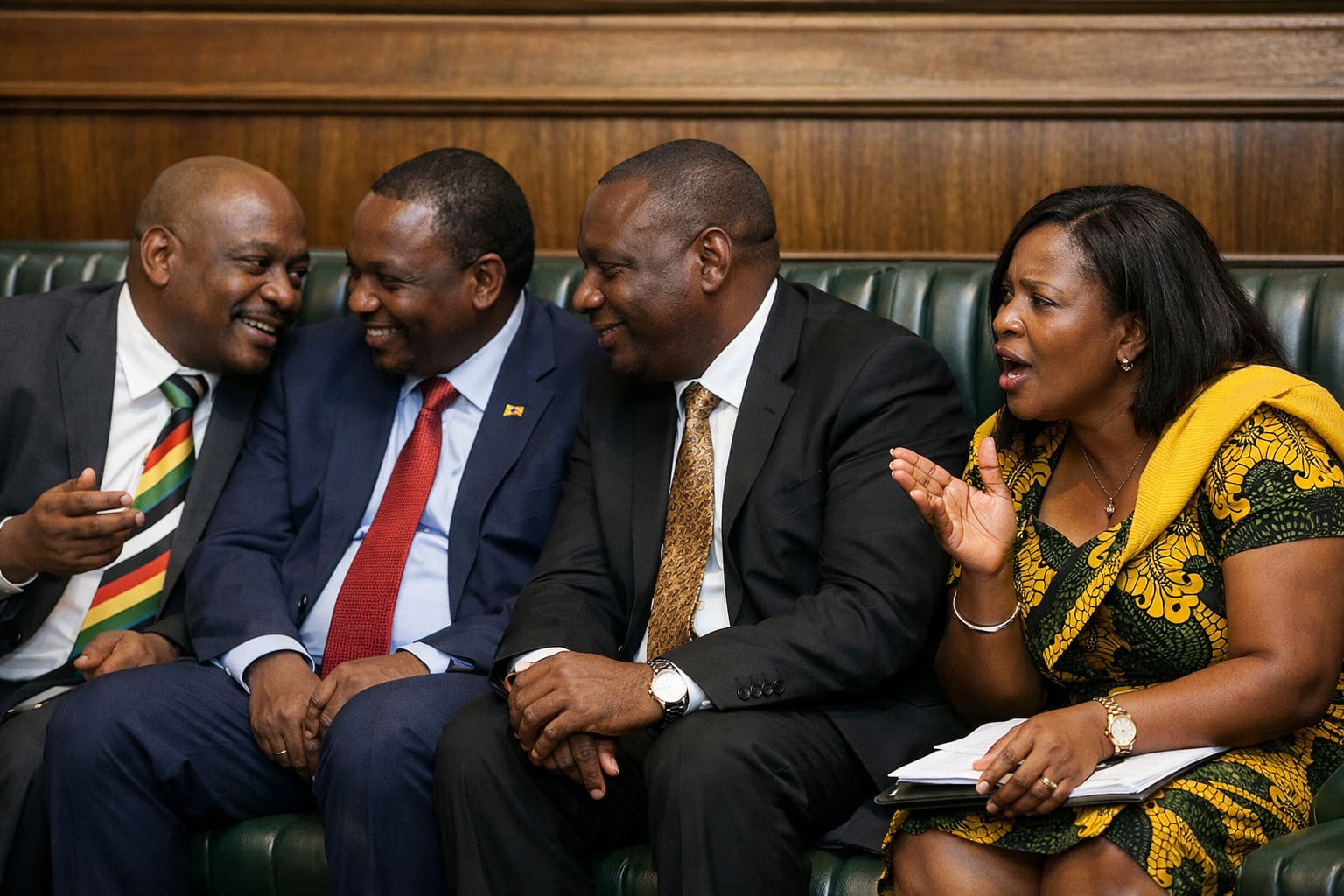
In democratic systems, representation is meant to ensure that the diversity of a population is reflected in its government. Representation may be visible, measurable, and constitutionally protected, yet still lack real power. This tension lies at the heart of tokenism. Tokenism occurs in politics, workplaces, media, and schools when members of marginalized groups are highlighted to signal progress or diversity without ceding meaningful influence, authority, or decision-making power. Such performative inclusion leaves existing hierarchies and deeper systems of power largely unchanged.
Quotas Improve Numbers, Not Conditions
In Zimbabwe, quota systems, particularly gender quotas, highlight this disconnect between numerical representation and political influence. Zimbabwe has reserved 60 of the National Assembly’s 280 parliamentary seats for women. Originally introduced as a temporary measure to address gender imbalances, this quota was expected to phase out as women gained equal footing in mainstream politics. Yet, with the quota, women currently hold only 84 seats (30.1%) in parliament. As it has not translated into substantive participation in governance, the quota has been extended to 2033. Despite good intentions, in practice, it has reinforced patriarchal norms by framing women’s participation as something granted through special provisions rather than as an equal right.

Data: The World Bank via The Global Economy
Elected, but Blocked from the Levers of Power
To illustrate the difficulties of tokenism, we should consider the experience of Advocate Fadzayi Mahere. Her rise as a political activist made her a powerful symbol of youth and gender inclusion in Zimbabwe. Although she is widely recognized and influential in public debate, she has struggled to gain access to the formal institutions where political power is actually exercised. She remains largely excluded from legislative processes, parliamentary representation, and the committee structures that shape national policy. At the same time, she has endured sustained online harassment, with attacks targeting her marital status, childlessness, and identity as a young woman; efforts that seek to further delegitimize her political voice.
Inclusion Without Equity Inevitably Fails
Mahere’s experience is not unique. When institutions prioritize visible diversity without redistributing power, inclusion risks becoming symbolic and ineffectual. Inclusion and influence require more than just a seat at the table. It requires genuine commitment to breaking down existing barriers and rebuilding power structures to enable minorities to meaningfully participate and contribute.
Zimbabwe is not without examples of women in genuine leadership positions. Within the corporate sector, Zimbabwe Women Microfinance Bank and firms like Edgars have been led by women in executive roles. However, these examples remain the exception rather than the norm. Women only occupy a small proportion of board and executive positions across major companies, suggesting that while individual success is possible, broader structural barriers to power remain firmly in place there as well.
Tokenism is political theatre, useful for optics but inadequate for achieving justice and equality. Until influence is truly shared, inclusion remains incomplete. However, structural change cannot happen through policy alone. Addressing tokenism also requires a shift in mindset; one that challenges the underlying beliefs and norms that continue to privilege certain groups over others. Quotas may open the door, but they do not change who holds the key. This places a responsibility on those who already hold power. The majority, whether in politics, institutions, or society more broadly, must become allies actively supporting and creating space for marginalized voices.

Credit: Mangwanani, CC BY-SA 4.0, via Wikimedia Commons
This article was written by a guest contributor.

Everyone is welcome! We offer DEI programs tailored to meet the needs of all experience levels—find out more about our workshops here.