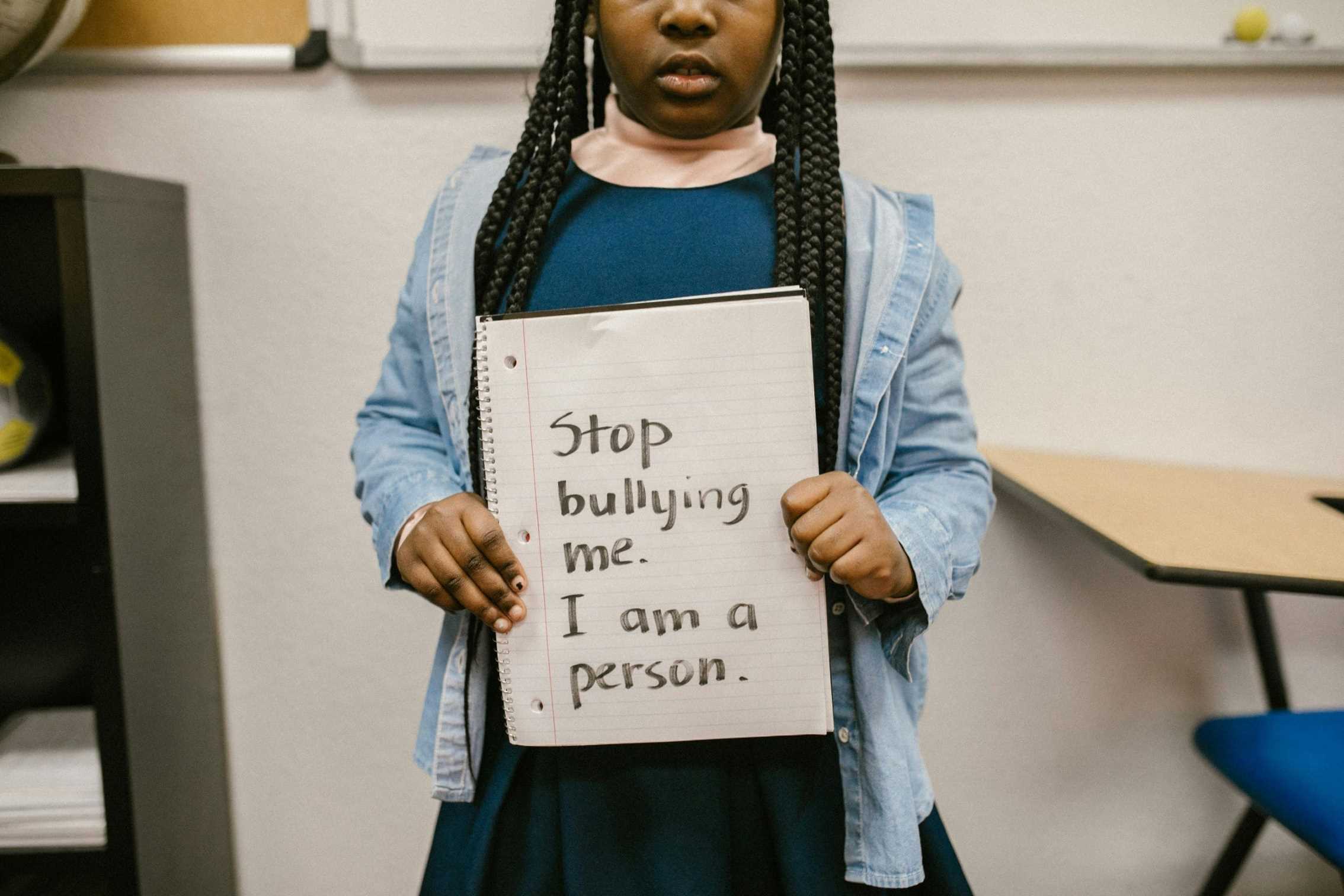
The FBI revealed a disturbing statistic about hate crimes between the years of 2018 and 2022. 1300 hate crimes were reported in schools and universities in 2022, a significant increase from the 700 reported in 2018. Crime experts suspect that the true number is even larger, as many victims do not report hate crimes. 10% of reported hate crimes occurred in schools and universities, making them the third-most common place for hate crimes to occur. They also stated that most of the hate crimes involved simple assault, vandalism and damage, destruction, and intimidation. The victims are usually Black, Jewish, Muslim, or members of the LGBTQ+ community, with Black students being the primary victims.
Impact of Social and Political Factors
These demographics being targeted would be no surprise to many, as various culture wars continue to wage within the US. Hate crimes towards black students rose in 2020 shortly after the murder of George Floyd and the rise of the Black Lives Matter movement. According to advocacy groups, at the start of the war in Gaza, both Jewish and Islamic students saw an increase in hate crimes. In states with anti-LGBTQ+ legislation, hate crimes against LGBTQ+ students sharply increased as political agendas continued targeting the community, according to the Washington Post.
Increasing Incidents Among Young Children
It may be shocking to find out that many of the hate crimes aren’t being committed just by older, high school students or adult university students. Some, in fact, are done by middle school students aged 10 or 11, according to Learning for Justice. Dwindling access to third spaces and decreasing opportunities for diversity may be potential fuel for some of this hateful behavior. Some of the shocking examples the group provided included a 10-year-old Muslim girl being told she was a terrorist and her classmate would kill her. Another example involved a middle school student writing in his textbook that he would murder his teacher’s African American husband. The school report also stated that 57% of incidents went undisciplined and 9 out of 10 times, school administrators never denounced the biases occurring within their schools. This shows a major issue with how schools are handling the rise of hate crimes and bullying.
Re-evaluating Anti-Bullying Policies
While all 50 states are required to have an anti-harassment and anti-bullying policy, some have policies that end up promoting more bullying. Zero-tolerance policies make up 98% of anti-bullying and harassment policies. Zero tolerance was intended to combat possession of certain items, such as guns or drugs, in schools. However, they’ve expanded to cover almost all behaviors, even minor behavioral infractions. In a report from Forbes, schools with these policies often have low ratings, high dropout rates, increased criminal justice involvement, and substance abuse issues. This is thought to be because these policies only punish the student without working to improve the social climate. Additionally, they are often used punitively against students of certain demographics, especially Black and disabled students. Various studies found that these populations face expulsion and suspensions at a disproportionate rate, leading to disruption in their education. Black students were 2.6 times more likely to be suspended than their white peers.
So, if the current policies aren’t working and may be worsening the educational system, what could be the solution? Focusing on improving the school environment and integrating DEI might help. While definitive research is lacking, one study found that workshops on anti-ethnic bullying, cultural education, and increased diversity could reduce bullying. Incentivizing schools to cultivate a more positive and diverse community could end up being the best replacement for these harmful zero-tolerance policies.

We support DEI through practical solutions for organizations of all sizes. Discover more on our About Us page.