Credit: InSapphoWeTrust, CC BY-SA 2.0, via Wikimedia Commons
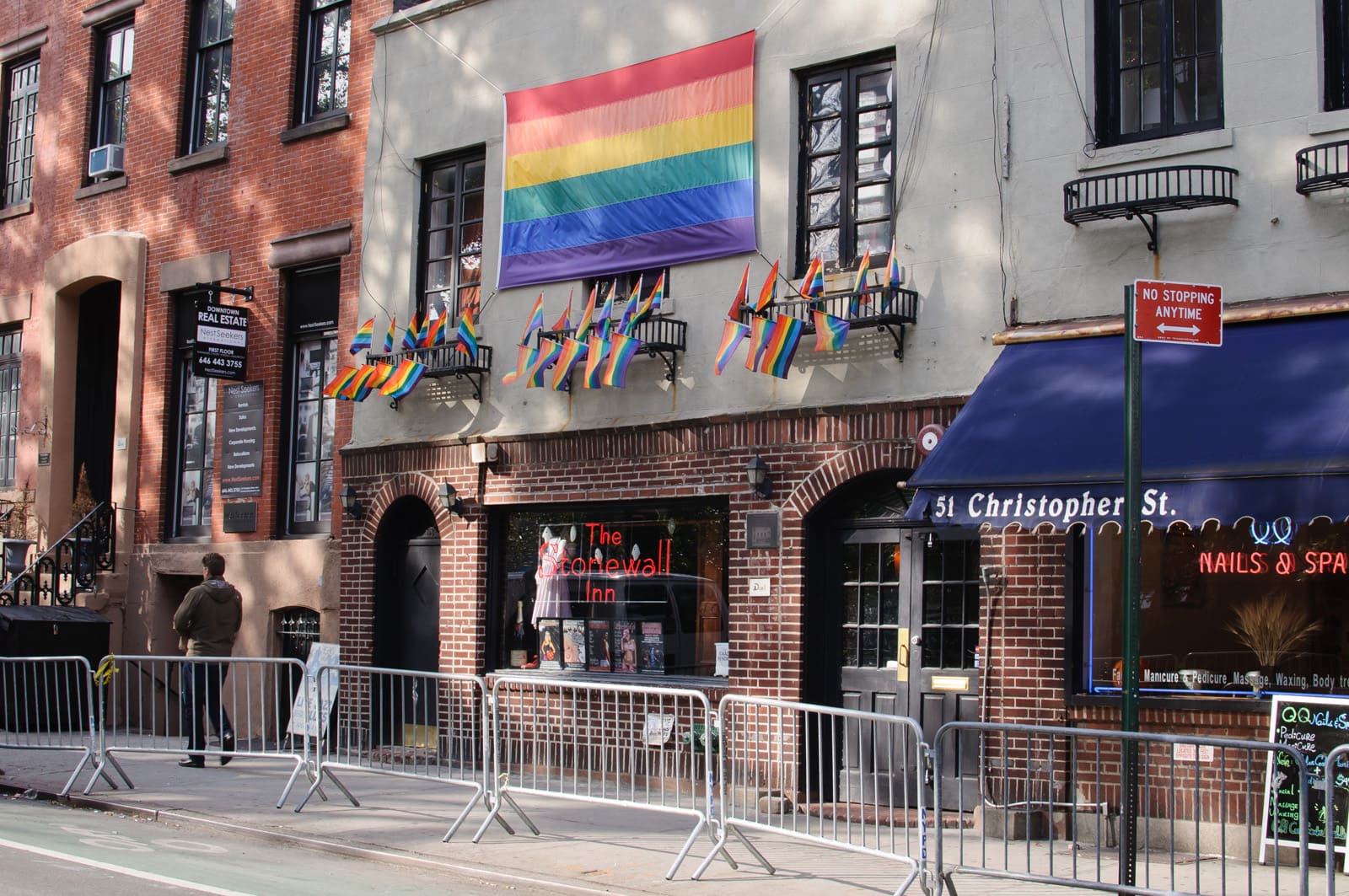
Stonewall Inn played a vital role in LGBTQ+ rights in the 70s, during a time when cross dressing and serving alcohol to gay people was illegal in the US. While there were many riots against police across the US, the Stonewall Riots were what led to the creation of the Gay Liberation Front (GLF), an organization aiming to eradicate homophobic laws and city ordinances. It was also the origin of modern Pride. Recently, the Stonewall National Park website has been targeted by the Trump administration as he rolls back federal protections for trans and non-binary people while subsequently removed any reference of trans or queer people from the government-hosted website. There is also an ongoing attempt to force the community to adopt LGB instead of the more inclusive and commonly accepted LGBTQ+.
A Community at the Forefront of Progress
This erasure of trans people and LGBTQ+ people of color isn’t new, sadly. While today, Marsha P. Johnson and Sylvia Rivera are seen as icons in the gay rights movement, they too struggled against transphobia from the public and other members of the LGBTQ+ community. It’s a common myth that Marsha or Sylvia started riots, but in interviews, it was revealed not to be the case. Even so, they played an active role, participating in sit-ins and protests with the GLF, as it was one of the few gay organizations that welcomed trans people and drag queens.

Credit: Hank O’Neal, Public domain, via Wikimedia Commons
A Community Left Behind
As the gay rights movement began to move on without gay and trans people of color, they started the Street Transvestite Activist Revolutionaries or STAR to help homeless trans youth. There were times when organizers of pride parades tried to have STAR banned or discouraged trans people from showing up, but they showed up anyway, making sure people heard their call for trans and non-binary rights.
Sylvia reached her activism breaking point after the Gay Rights Bill she and Marsha publicly endorsed removed any reference to trans rights, leaving them once again in the dust. In her 1978 speech(1) titled “Y’all Better Quiet Down”, she stated angrily to a crowd of people that trans women seeking out sex changes weren’t writing to the Women’s Liberation with their issues. They were writing to STAR because everyone else, even within the gay community, was ignoring them. In her speech, she discussed how she was truly dedicated to the gay rights movement even though it cost her her home, job, and even sent her to jail.

Credit: Roseleechs, CC BY-SA 4.0, via Wikimedia Commons
Perseverance and Strength
Miss Major Griffin-Gracy, a trans activist and participant in the Stonewall Riots, told Jessica Stern in an interview that she felt like she and other trans people were “pushed to the outside and then prevented from looking in,” and even going as far as to say she felt the community would prefer if trans people no longer existed. Today, trans and gender-nonconforming people face a slew of hurdles, such as discriminatory hiring practices and the rise of anti-trans legislation. To this day, there is still lingering transphobia and racism within the LGBTQ+ community, with some members feeling as though the trans rights effort only brings them down. Without the relentless effort from trans people, the rights the LGBTQ+ community has today might not exist. And as artist Micah Bazant stated, “No pride for some of us without liberation for all of us.”

Credit: DIE LINKE Nordrhein-Westfalen, CC BY-SA 2.0, via Wikimedia Commons
(1) This source contains explicit language and discusses sensitive topics that some readers may find distressing. Viewer discretion is advised.

Why not become an advocate and ally? Discover more and get involved!