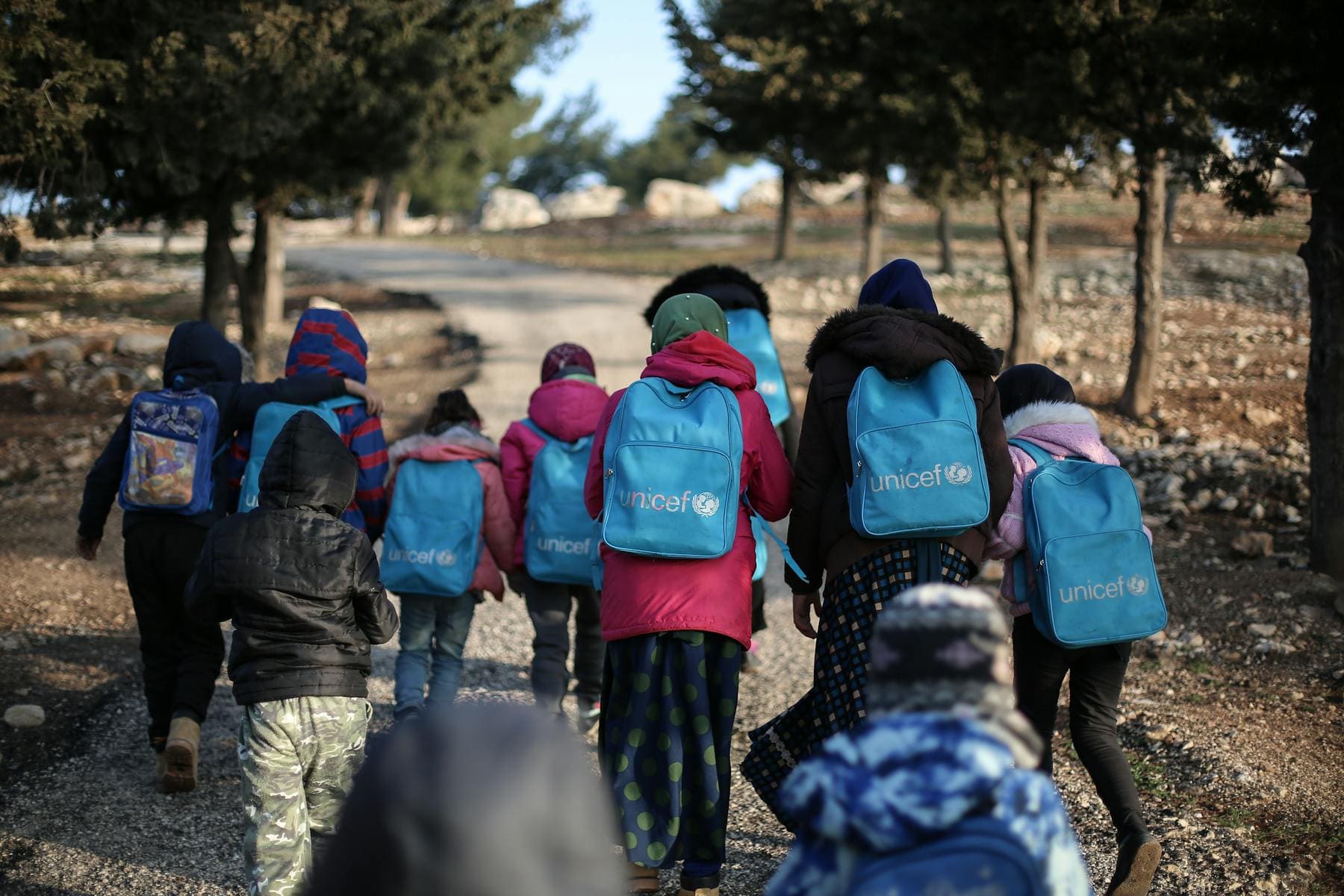
“When does a human earn their rights?” is a question that often stirs debate. While pro-life and pro-choice discussions have spotlighted this issue in relation to unborn life, there’s a quieter, equally important conversation we need to have: What about the rights of children?
The Most Marginalized Population
In 1989, UNICEF established the Convention on the Rights of the Child, which was ratified nearly globally. It shifts the perspective about children from passive dependents to active rights-holders. Although this is a great sentiment in theory, the rights of a child are constantly infringed upon in both public and private spheres, especially those marked by racial, economic, or linguistic inequality.

Credit: Paolo Mazzoleni, CC BY 2.0, via Flickr
An Uneasy Balance: Autonomy and Protection
The brain is believed to finish maturation during the mid-to-late 20s, creating a battle between moral and legal personhood. Morally, children’s views and emotions should be considered when making decisions about their own lives. However, legally, they may not be able to bear the capacity of such decisions independently. This creates the dilemma of autonomy versus protection. We have to ask ourselves to what extent does allowing a child to have autonomy contradict a child’s right to protection by their parent. Additionally, we need to figure out what happens in cases where a decision a child wants to make could potentially harm them, and if parents have the obligation to override their child’s wishes to protect them from harm.
Ultimately, parents are seen to have an obligation to protect their children as guardians of their health and safety. However, not all parents do their due diligence. Many children suffer both intentionally and unintentionally at the hands of their parents. Child marriages continue to be permitted, with an estimated 650 million women and girls today married off before turning 18. Child marriages force girls to leave school and put them at high risk of physical, sexual, and emotional violence. Children are also frequently not permitted the right to bodily autonomy. In some regions, gender-affirming healthcare for LGBTQ+ children is criminalized. Despite global condemnation, others are forced to undergo medically unnecessary, nonconsensual surgeries such as female genital mutilation, circumcision, and “sex normalisation” surgeries.

Minimum age of marriage for girls
Credit: ComradeHirohito, CC BY-SA 4.0, via Wikimedia Commons
The “Privilege” of a Childhood
We should also bear in mind that different cultures have varying expectations on the roles and obligations of children. There are varying definitions of what a child is and when one crosses over into adulthood. For example, what is seen as child labour to one group of people could simply be a child helping support their family, and may be a commonly accepted practice in another group. This can lead to children being denied the fundamental human right to education. As of 2023, 250 million children were not attending school. Especially prominent in poverty-stricken communities, children may instead be expected to assist their families in providing for and running the home, rather than spend time attending school.
Children are themselves complete human beings deserving of respect, and should not be thought of as property of their parents or just future adults. They should be protected, of course, but their thoughts and opinions on their lives must be considered and respected.
One truth that should be undeniable to all is that every child has a right to live a good life fully, in safety and with dignity.

Approximate numbers of child brides in various regions
Data via UNICEF

Learn from real business case samples and empower your organization with DEI strategies. Visit our About Us page to explore further.