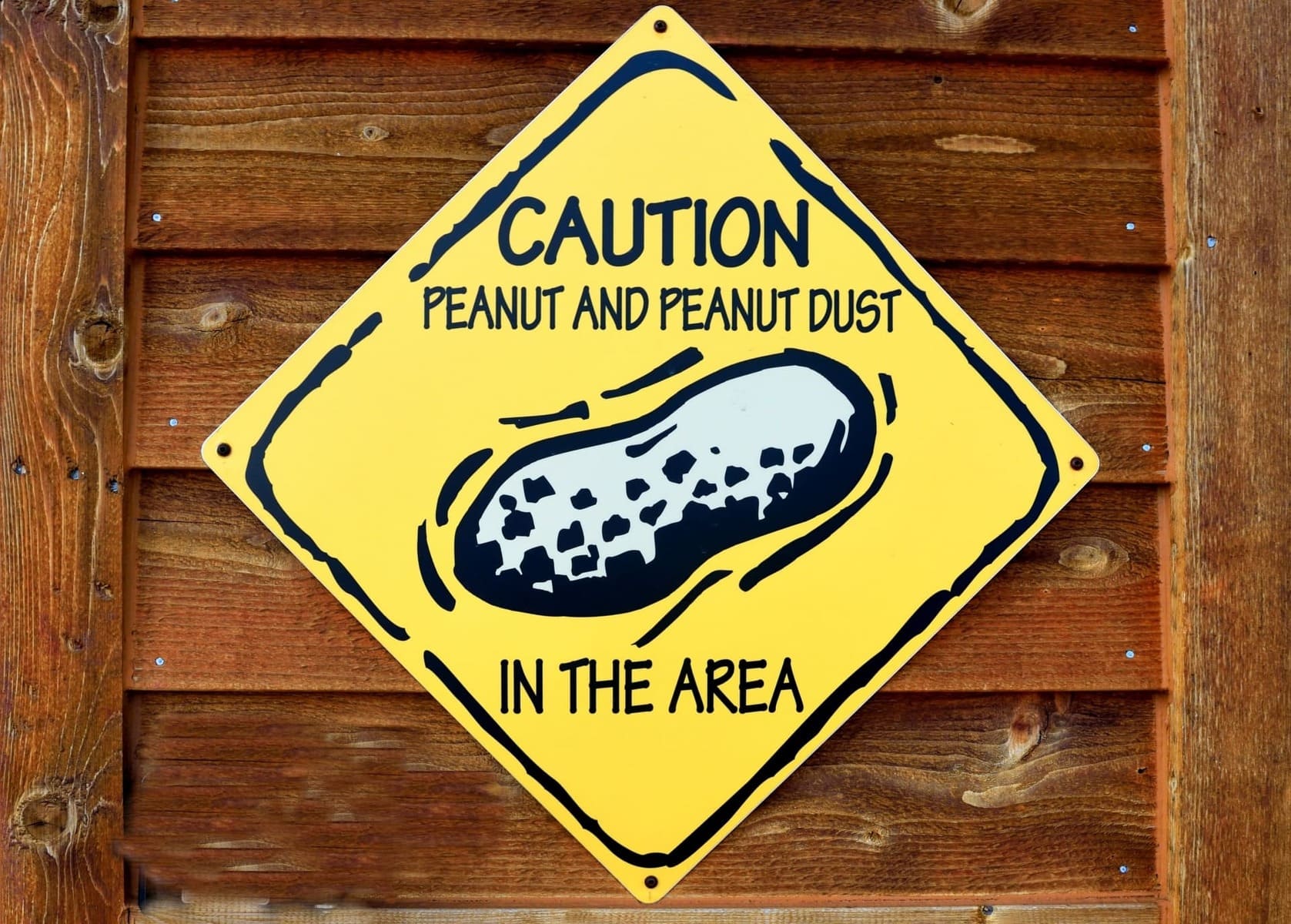
Today, food allergies have been recognized as an epidemic, as nearly 220 million people around the world have some form of a food allergy, according to End Allergies Together. There are about 160 known food allergens, but eight are observed as being the most common: eggs, fish, milk, peanuts, shellfish, soybeans, tree nuts, and wheat. The World Allergy Organization Journal states that around every 2 to 3 minutes, someone is hospitalized for anaphylaxis, an allergic reaction that can be deadly if left untreated. Nowadays, mortality rates are incredibly low (1 death per 50 million people a year), but discussion of food allergies is still critical.
Uncommon Allergy? You May Not Be Warned
66 countries require some form of allergen warning on prepackaged foods, but that does not mean that people with allergies can rest easy. Only eight allergens are required to be listed on food packaging by the FDA in the US. However, non-food goods that may contain allergens, such as cosmetics and toys like Play-Doh, have no such labeling requirement. Additionally, the types of allergens warned for aren’t consistent from country to country since major allergies can vary by population. For example, buckwheat allergies are prominent in Japan, but hardly exist in the US. This can quickly become an issue, especially for travelers, as there are no global guidelines on how to label or read packaging to ensure safety.
When A Lack of Inclusivity Has Major Health Consequences
While the risk of death is low, there is still a large accessibility risk for those with food allergies. Individuals with food allergies often have mental health concerns that are related to their allergies. Many report feeling persistent fear regarding their allergies and the potential of triggering an allergic reaction. As someone with a rare food allergy, it can make social outings to restaurants or food-related events a nightmare. US regulations only require restaurants to list nutritional facts, but not the eight common allergens. So far, California is the only US state that has passed a law to require allergens to be listed. This lack of transparency means there is a constant worry that a sauce will contain my allergen, or it will be used as a garnish, making the entire dish inedible for me despite my precautions.
Making society more accessible for people with food allergies will require expanded effort at the government, corporate, and individual levels. Having a global standard of allergy warnings could make everyday life and travel less risky for individuals with allergies, no matter where they are in the world. Alongside that, restaurants could have waitstaff ask for allergies beforehand and be familiar with all the ingredients used by the kitchen. This could help remove anxiety for the diner and make the experience more enjoyable and, hopefully, less risky.

Share of U.S. Adults Who Believe Hosts Should Ask Guests About Food Restrictions
Credit: The New Food Fights: U.S. Public Divides Over Food Science, Pew Research Center, Washington, D.C. (December 1, 2016)
It Costs Nothing to Show A Little Consideration
Lastly, hosts of private food-related events, such as potlucks, can be food conscious to make their meals inclusive of people with allergies. Hosts can request that food allergies be listed when guests RSVP and require all dishes to be labeled with ingredients listed. Being considerate and conscious of what others are dealing with, even if it is just a food allergen, will breed empathy and, in turn, create safer and closer communities.


Encourage DEI in your organization with programs tailored to your needs. Find out how we can support you on your DE&I journey.