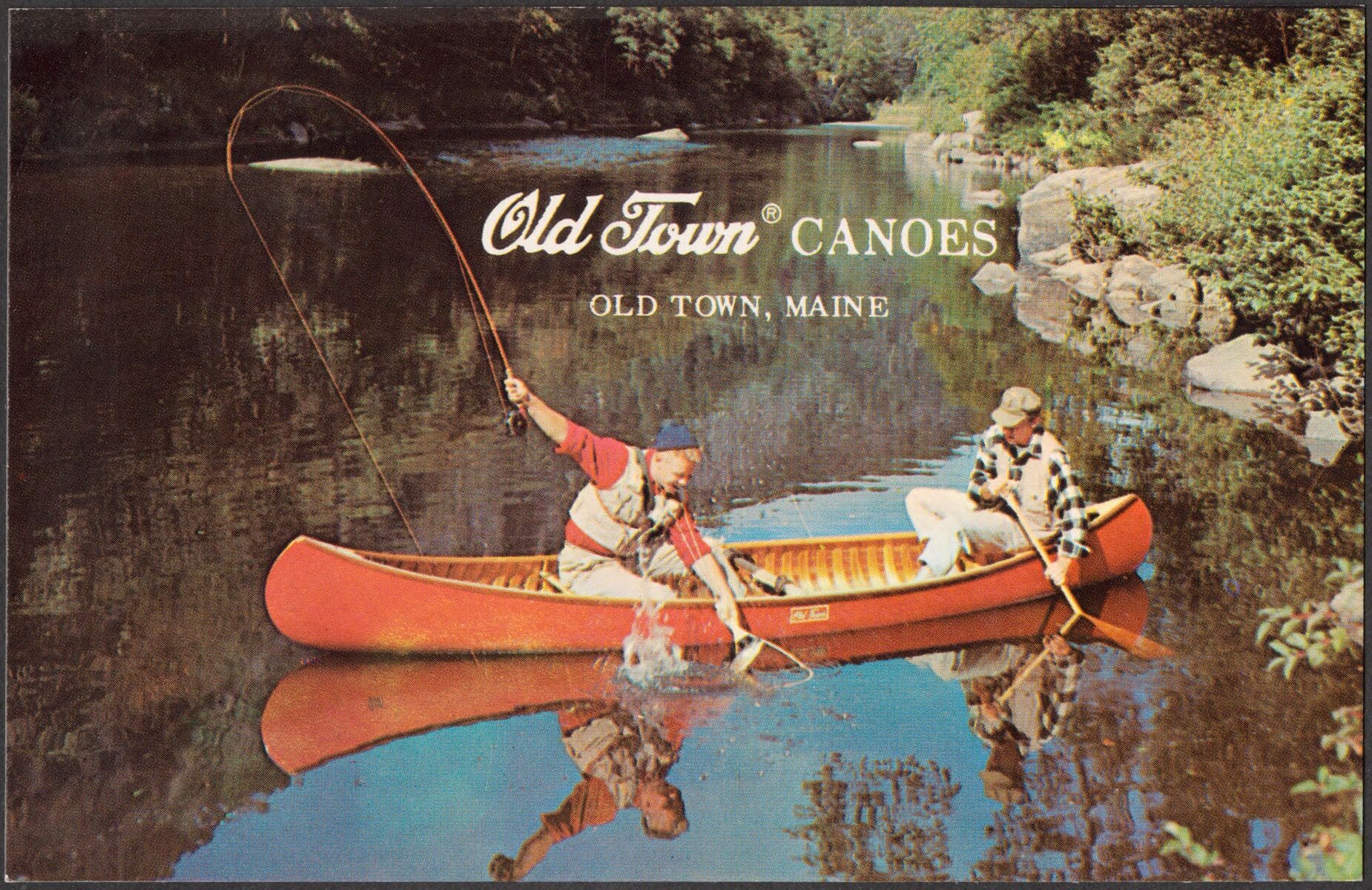
Credit: Old Town canoes, Old Town, Maine, via DigitalCommonwealth.org
Picture an outdoor recreation advertisement: hiking boots on a mountain trail, a tent beneath the stars, or a kayak gliding across a pristine lake. Chances are, the person in that image is White. According to the Outdoor Industry Association, nearly 70% of outdoor participants in 2023 were White, while only 10.3% were Black and 13.4% Hispanic, figures starkly disproportionate to America’s growing diversity. These disparities are often dismissed as cultural differences, reduced to crude statements like “Black people don’t hike,” but the reality is rooted in historical exclusion and systemic barriers.

Google Maps images showing the contrast in green space between low-income (top) and high-income (bottom) areas in Los Angeles, California
Credit: Map data, 2024, via Google
A Foundation of Expulsion and Exclusion
National parks in the US were built on exclusion from the start. The lands we now celebrate as natural wonders were once home to Indigenous peoples who were forcibly removed. Once emptied of its original inhabitants, wilderness was rebranded. In the 1800s, White elites, viewing the cities as dirty and immigrant-filled, began romanticizing nature as pristine, untouched, and exclusively theirs. This myth erased indigenous stewardship while Black Americans faced Jim Crow segregation in parks well into the 1960s. “Sundown towns” near outdoor destinations explicitly prohibited people of color after dark, limiting reasonable means of transportation and lodging.

Graphic art print of white woman fishing on dock, 1905
Credit: Fishing, by Schwab & Wolf, via Library of Congress
Even after legal segregation ended, this legacy persists: outdoor recreation culture remains predominantly White, framing wilderness as a fundamentally White pursuit inaccessible to other communities.

Comparison of Racial/Ethnic Makeup of National Park Visitors (top) vs U.S. Population in 2018 (bottom)
Credit: Data via National Parks System Comprehensive Survey, 2018 and U.S. Census, 2018
Feeling Unwelcome in One’s Own Backyard
Economic barriers compound this exclusion. Black and Hispanic Americans face poverty at almost double the rate of White Americans. Communities of color are three times more likely than White counterparts to live in areas with limited green space, with over 76% of low-income people of color living in nature-deprived areas. As first-time campers can expect to spend $500 to $1300 in equipment alone, whole communities can be priced out.
Cultural barriers also persist. When outdoor media is dominated by White faces, it signals who belongs. Even park regulations can exclude some groups or cultures. Many camping and outdoor recreation sites limit group sizes, disadvantaging communities whose cultural values emphasize larger group recreation. This is only one of many differences that ultimately lead to discrimination and people of color feeling unwelcome in outdoor spaces.
Making Space and Reaching Out a Hand
Some White outdoor enthusiasts are beginning to acknowledge their privilege, creating opportunities for change, but acknowledgement alone isn’t enough without concrete action. Grassroots organizations are leading the way toward inclusion in the realm of outdoor recreation. Outdoor Afro connects Black Americans to nature through community-led hikes and camping trips. Similarly, Latino Outdoors organizes group outings that honor cultural values in outdoor engagement. These efforts have slowly diversified the outdoor demographics, forcing major companies to take diversity more seriously. Yet systemic issues remain entrenched: industry leadership stays overwhelmingly White, many diversity initiatives remain surface level, and economic barriers persist.
The whiteness of outdoor recreation isn’t natural or inevitable. It’s the product of intentional historical exclusion and ongoing barriers. True inclusion requires confronting this racialized history, removing economic and geographic obstacles, and centering BIPOC voices in outdoor leadership. Nature is a shared space, and everyone deserves to experience it in their own way. As we work towards equity, we must stop prioritizing the comfort of those who have always belonged and start fighting for those who have been excluded.

This article was written by a guest contributor, Z. Dang.

Ready to empower your team and organization? Explore DE&I best practices and success cases. Learn how to get started with our resources.