In February 2024, significant controversy arose in Argentina as President Javier Milei banned gender-inclusive language in government communications and official documents. This decision has sparked intense debate and sheds light on the current government’s stance on gender issues. The ban specifically prohibits the use of inclusive language and any references to gender perspectives throughout the national public administration.
Inclusive Language in Spanish
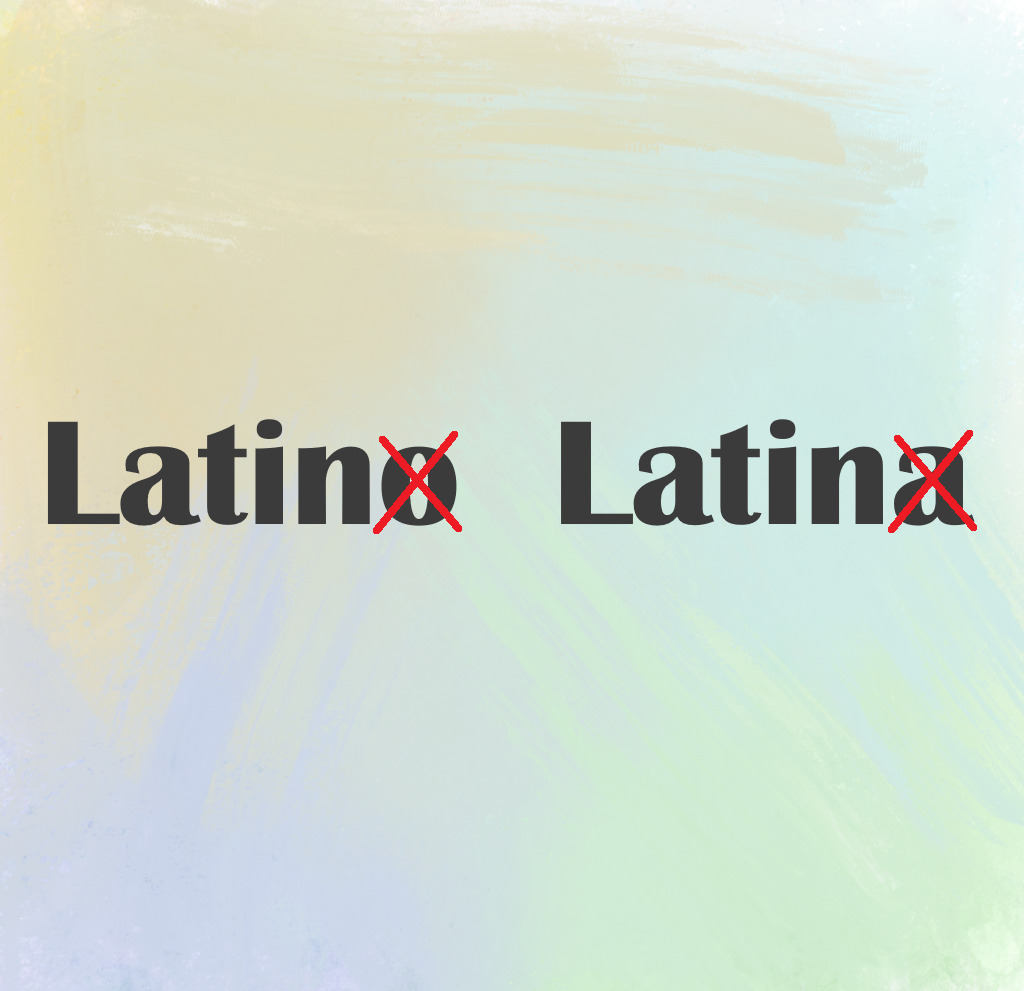
Inclusive language in Spanish aims to include any gender when addressing someone or the general population, as nouns, adjectives, articles, and pronouns in Spanish have a gender assigned to them. Spanish generally uses ”A” to denote feminine and ”O” for masculine endings. In conventional Spanish, the masculine form is used to refer to the general population as there is no separate gender-neutral form in traditional Spanish.
Inclusive language emerged as a response to the rising awareness of new gender identities, leading to a shift in colloquial speech. Although it originally aimed to address people who may not conform to the masculine or feminine gender binary, in most Spanish-speaking countries, it is now more commonly used to refer to the general population, instead of solely using the masculine form of words. This shift often incorporates alternative vowels like ‘E’ or other letters and symbols like the ”X” and ”@,” as seen in terms like ”Latinx” or “Latines”, to inclusively refer to the Latin community.
President Milei’s Stance and Policies
President Javier Milei, a self-proclaimed anarcho-capitalist known for his conservative and right-wing libertarian views, has taken a firm stance against gender-inclusive language, claiming that it is “left-wing indoctrination.” Since taking office, Milei has pursued policies that shut down several inclusive ministries, including the Women, Gender, and Diversity Ministry, as part of his pledge to reduce public expenses. Government spokesperson Manuel Adorni announced the ban, which stated that ”The use of the letter ”e,” the at symbol ”@,” the letter ”X,” and the unnecessary inclusion of the feminine form in all documents will not be allowed.”
Manuel Adorni defended the ban, stating that the official language should be Spanish (Castilian). This is an argument typically used against gender-inclusive language, stating that the official language should be conventional Spanish and, therefore, shouldn’t be changed, such as to accommodate gender-inclusive language. This argument overlooks the fluid nature of language and how social and cultural changes continually shape it.
The broader context of gender politics in Argentina
In Argentina, gender politics has been a controversial issue, and laws and bans representing opposing stances have been implemented. In 2021, Argentina became the first country to allow non-binary individuals to use an ”X” gender marker on passports and official documents (instead of the typical F and M). However, in 2022, a bill was passed that banned gender-inclusive language in schools but only for the city of Buenos Aires. The recent ban on gender-inclusive language in government documents follows a similar prohibition in Argentina’s military, announced by the Ministry of Defense also in February 2024, which banned the use of the E instead of the O or A in the ministry’s official communications.
The ban on gender-inclusive language highlights a significant shift in Argentina, which is focusing on conservative principles and moving away from recent progressive trends. This decision is only part of a broader agenda to reduce public expenses and reshape Argentina’s approach to gender and diversity issues, which comes after years of more progressive policies.

Learn from real business case samples and empower your organization with DEI strategies. Visit our About Us page to explore further.