The recent dismissal of Tinuade Sanda, former managing director and CEO of Eko Electricity Distribution Company (EKEDC), due to alleged fake certificates has caused quite a stir in Nigeria. The certificates in question were her diplomas and proof of training, which are critical in validating her qualifications for the role. It’s hard to ignore the glaring double standards at play here. Men in similar positions have faced the same allegations for years with little consequence, but when it’s a woman, the story changes drastically.
Double Standards in Action
For example, Cross River’s governor has faced allegations of fake certificates consistently but has managed to remain in office. Similarly, Nigeria’s current president, Bola Tinubu, has faced numerous allegations and court cases over fake certificates yet remains a prominent figure in politics as well as the current serving president. Yet, when it is a woman, action is immediately taken. Sanda was fired with no review or discussion, which is a stark contrast to how these cases are typically handled.
Tinuade Sanda’s story is particularly disheartening because of her significant achievements in the energy sector. Before her dismissal, she was known for her integrity and efforts to clean up the sector, making strides in transparency and efficiency. Sanda’s work at EKEDC was commendable, including initiatives to improve electricity distribution and customer service.
The Reality of Gender Disparity in Nigeria
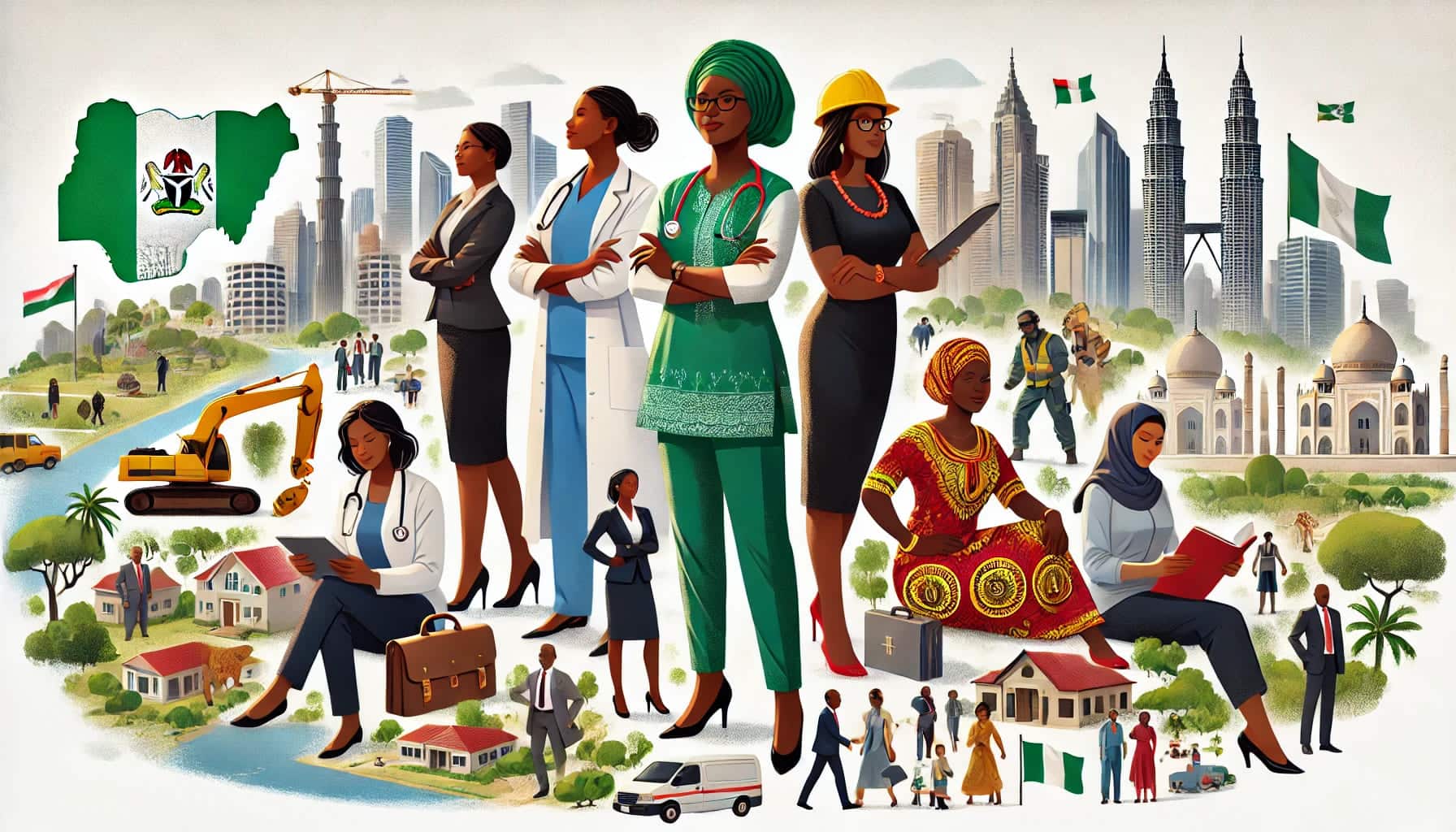
Gender disparity in Nigeria’s workplaces isn’t just a statistic; it’s a reality I’ve experienced and witnessed countless times. According to Business Insider Africa, in corporate Nigeria, women hold around 20% of the executive positions, which is a bit better than the global average, yet there’s still a lot of room for growth. On a wider scale, only about 33% of the workforce in Nigeria is female, showing that women are still underrepresented across various industries. These numbers point out the ongoing challenges and highlight the urgent need for more focused efforts to close the gender gap in leadership and workforce involvement in Nigeria. Deep-seated cultural beliefs and societal norms often place women at a disadvantage, reinforcing stereotypes and limiting opportunities for career advancement. For instance, many Nigerian communities expect women to prioritize household duties over their careers, making it challenging for them to climb the corporate ladder.
Hope and Progress Amidst Challenges
Despite these challenges, there are incredible women breaking barriers every day. Ngozi Okonjo-Iweala made history in 2021 by becoming the first female Director-General of the World Trade Organization (WTO). Her story is a beacon of hope and inspiration. She was also the first African to hold this position, showing that it is possible to reach the top, even when the odds are stacked against you.
Witnessing these disparities firsthand fuels my resolve to advocate for a more equitable society. It’s not just about creating opportunities for women; it’s about breaking down barriers and building a Nigeria where everyone, regardless of gender, can thrive. By empowering women and supporting each other, we can make significant strides towards equality. Let’s continue to push for change and celebrate the successes of women who defy the odds every day. Men also have a crucial role to play as allies, supporting and advocating for gender equality in all spheres of life. Together, we can build a more inclusive and just society.

If you are interested in diversity after reading this article, our program may be of use to you. Find more details here!