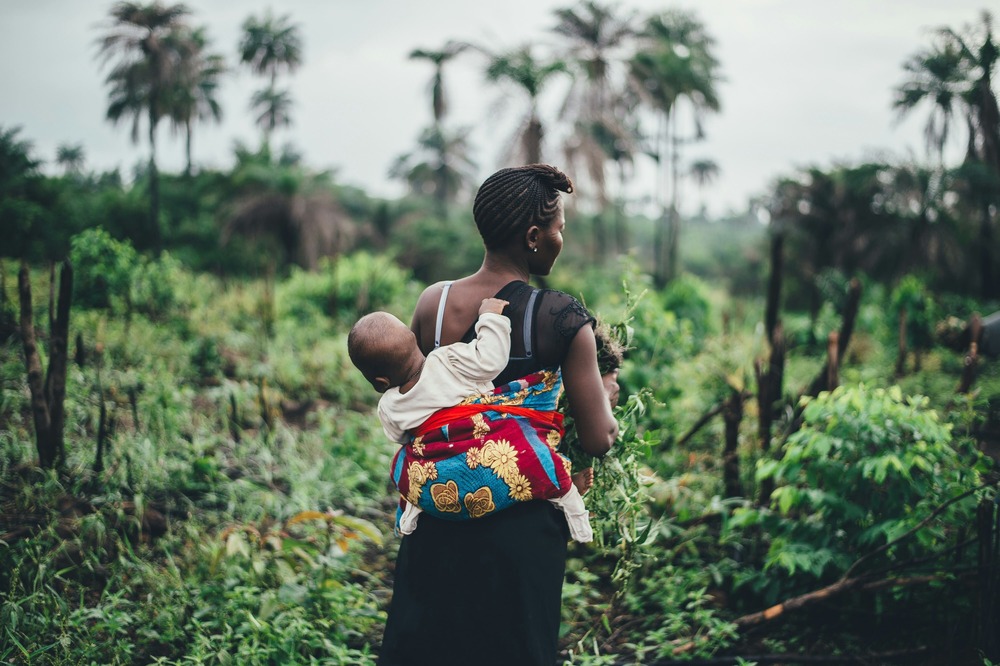
Despite being the most affected, women remain the most underrepresented in decision-making roles within the realm of climate change. Out of 133 prominent world leaders at COP28, only 15 were women, and in most national and regional climate plans, there is barely any mention of women and children in rural areas. This highlights the long road ahead to achieving climate equity.
The Importance of Women in Climate Action
Existing gender disparities highlight the need for more women in leadership roles in climate action. The role women play in climate action is far greater than the credit they’re given. More women need to be stakeholders in this fight, especially because women are likely to be the ones to take care of their households and restore their communities when a climate crisis hits. Additionally, they are the ones most likely to secure resources like food, water, and fuel. Their resilience and adaptability are key in managing climate disasters. Women leaders are also likely to be more receptive to stricter policies that further climate action.
Challenges and Opportunities for Women Farmers
Climate change threatens to harm everyone, but particularly the future of women. A report from COP28 predicts that by the year 2050, over 158 million women and girls will be pushed further into poverty due to climate change, and 232 million may face food insecurity due to overwhelming droughts and floods. We are already seeing the disparities. For example, the heat crisis being experienced in many developing countries has not affected all households the same. Women-led households have suffered a loss of 8% more income than men-led households. This results in a $37 billion yearly loss for already impoverished communities. These women also don’t have access to their own land and resources, exacerbating their situation as they are likely unable to develop solutions to alleviate their climate challenges.
Among the challenges women farmers face, unpaid domestic care work is another factor that limits their ability to gain the same benefits that their male counterparts do. Since a lot of their time is spent tending to their households, they are likely to miss out on opportunities to earn a living. This poses a larger problem, as women in rural areas and low-to-middle-income households depend largely on agriculture as a means of livelihood according to the status of women in agrifood systems.
Empowering Women for Climate Action
However, the future is not all doom and gloom. By empowering women, we can make consequential advances in climate action. A report made by the FAO (Food and Agricultural Organization of the UN) indicates that if the climate agenda were to invest in programs that reduce food insecurity among women, this could lead to significant overall economic gains as women are crucial in securing food resources for their families and communities. Some initiatives in Zimbabwe are exploring ways to reduce food insecurity in low-income communities and empower women farmers through programs like permaculture and sustainable farming, which will help mitigate some of the issues faced by dry land and wild animal conflict.
When women have greater access to resources and knowledge about food production and nutrition, they can improve household food security and well-being, resulting in increased productivity and economic growth for all. Providing equity to women through resources and education can bring us one step closer to bridging the climate change gender gap.

If you are interested in diversity after reading this article, our program may be of use to you. Find more details here!