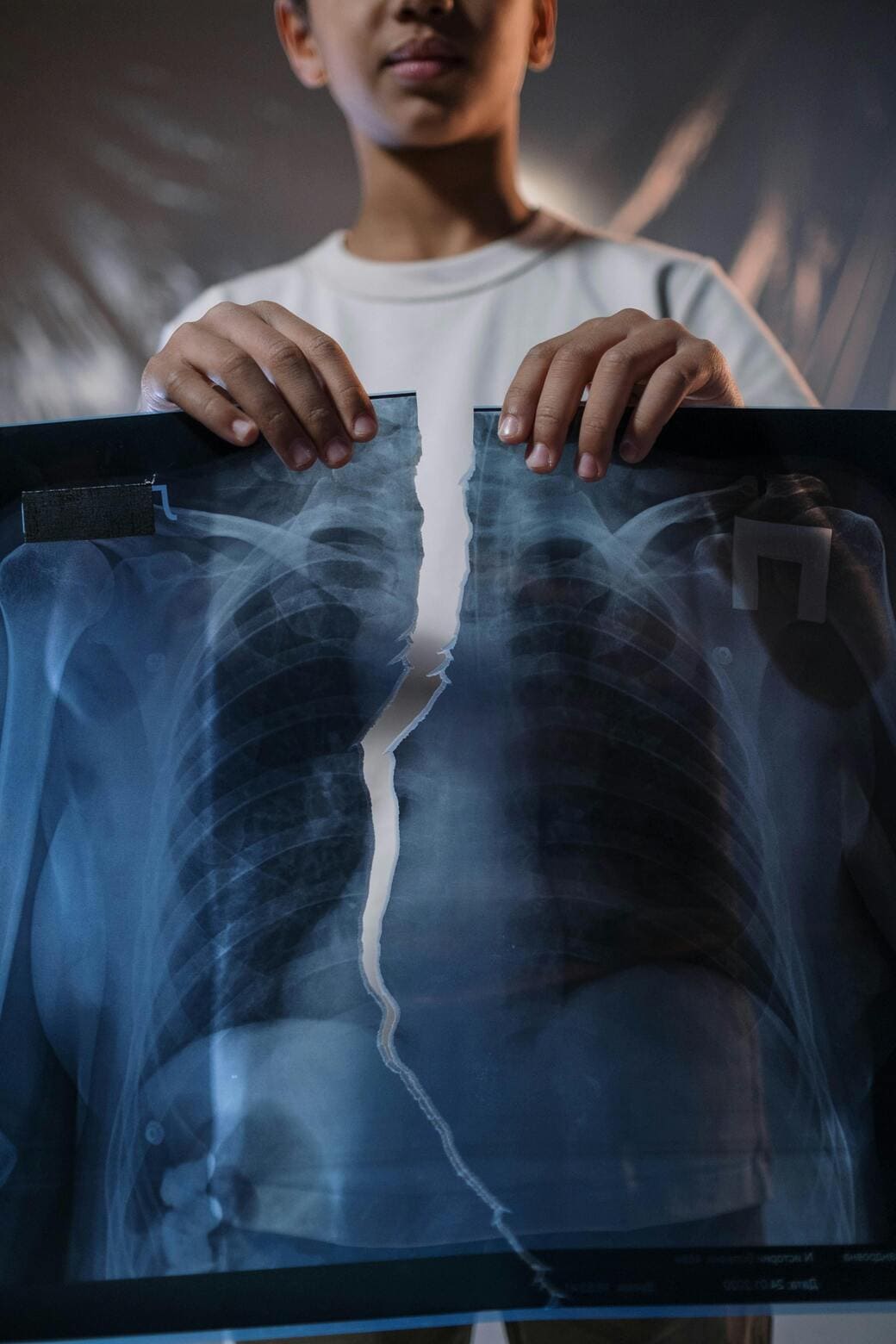
For decades now, American healthcare has used race to determine if individuals qualify for certain diagnoses, such as kidney and lung disease. Doctors have been working off of the false assumption that Black patients have lower lung function, which has left hundreds of thousands of these patients without a diagnosis and even, at times, disability payments, leading to no treatment and unnecessary suffering. Now, more and more people in the medical field are seeing the issues that these race-based methods cause.
Race-based Diagnostics Can Lead to Poorer Health Results
A study from the New England Journal of Medicine found that using a more race-neutral clinical algorithm led to more than half a million Black patients qualifying for a lung disease diagnosis. The same study also determined that Black veterans should be receiving a $1 billion increase in disability payments. This race-neutral diagnostic method didn’t just indicate a rise in diagnoses and disability payments. According to JAMA Surgery, it also led to less invasive and more effective tumor removals. Previously, due to physicians artificially increasing the data for these patients, surgeons were comfortable removing more of a Black patient’s lung during these procedures. When removing race from the equation, surgeons were more likely to remove smaller portions of the lung. However, the same journal found that in some cases, the less invasive approach didn’t always cure the patient of their cancer.
Historical Biases Affecting the Modern Day
But how did this assumption about Black patients having lower lung function begin? It started with the US’s introduction to the spirometer, a medical device that a patient blows into to have their lung function tested. In the book Breathing Race into the Machine, Lundy Braun reports that these assumptions have a deep-rooted history going back to the mid-19th century. At that time, Thomas Jefferson, one of America’s founding fathers, made a claim that Black Americans had lower lung function. This point was further investigated by plantation physician and slave owner Samuel Cartwright, who did several experiments using the spirometer. Cartwright came to the conclusion that Black Americans had a lung deficiency of 20%. These findings were used to further the idea that Black Americans were “inferior organisms”, a quote from chief statistician Fredrick Hoffman of Prudential Life Insurance Co. Benjamin Gould, who is best known for being a pioneer in charting modern day constellations and being one of the first Americans to receive a PhD in astronomy, built upon this idea more with a study on both white and Black American civil war soldiers, but age, height, working or living conditions were never taken into consideration, which could have led to inaccurate data.
The Path Forward
The Harvard Medical School (HMS) stated that while race-neutral medicine still has its own flaws, it also leads to more accurate diagnosing and is seen as a much more beneficial option than race-based medicine. The US healthcare system is slowly realizing these benefits as well and trying to move away from it as more and more studies show the inaccuracies of race-based medicine. While we know change is happening, we’re still not certain on the amount of hospitals and clinics that have made this move. This could be due to the fact that switching over won’t be that simple for some testing, as, according to HMS, some doctors aren’t even aware if they are using race-based spirometers. According to the National Library of Medicine, many commercially available spirometers require race and other information to be put into the machine before it can be enabled. At times, these operators aren’t even aware that entering race automatically causes the machine to do race corrections.
For now, patients are advised to ask probing questions if race ever does come up during a medical exam. This can lead to a better understanding for the patients on why that information is important or it can start a useful conversation between both the physician and the patient.

Why not become an advocate and ally? Discover more and get involved!