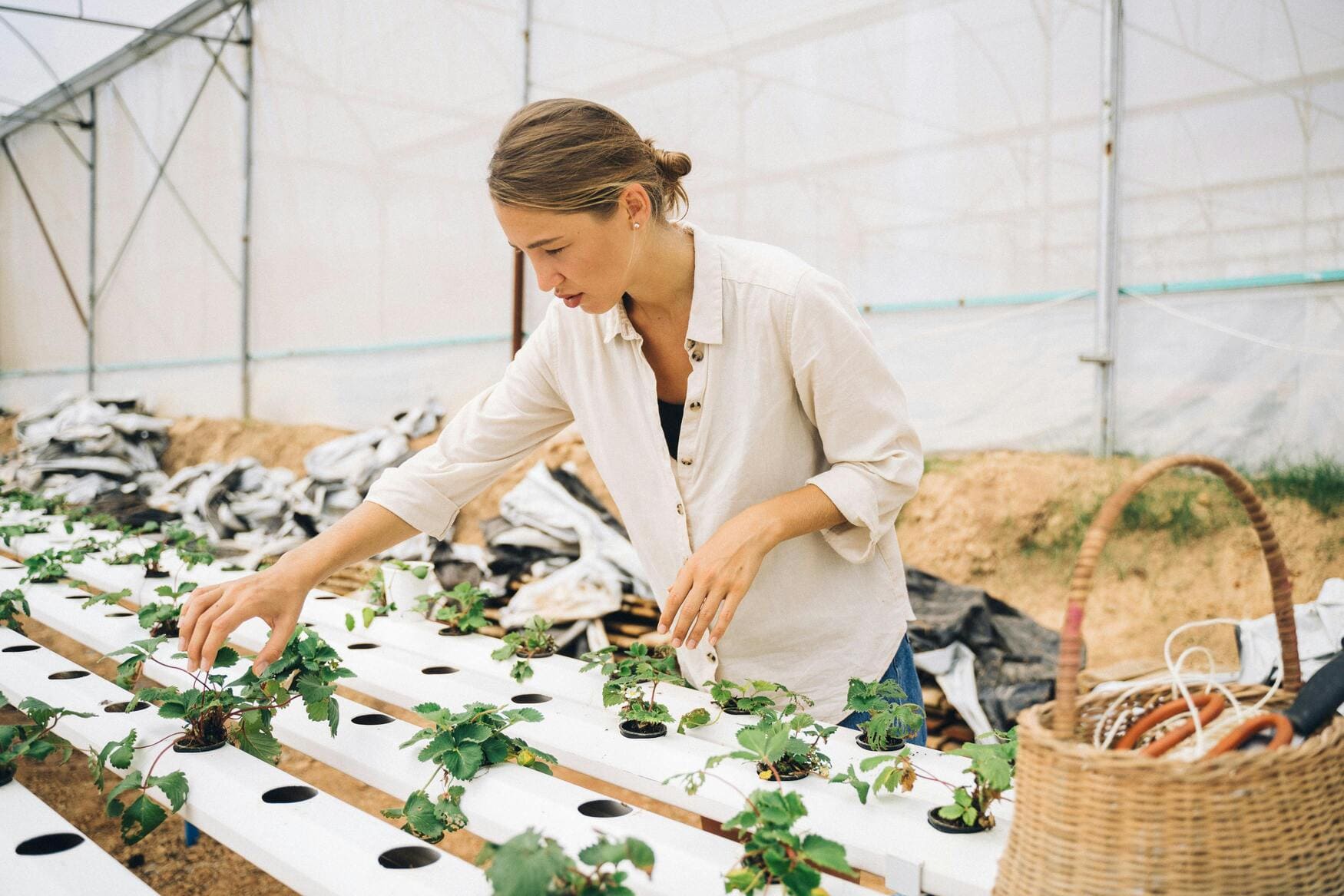
The UN has dubbed the year 2026 as the International Year of the Woman Farmer. Currently, in the US, only 9% of farms are women-owned, but there are currently 1.2 million women involved in agriculture and growing. In 2023, a bill was brought forward in the United States House of Representatives in hopes of creating more ease of access for women farmers in the US. The Women in Farming Act is meant to cover all the main issues that prevent women from cultivating their own place within agriculture: lack of access to land, lack of accessible equipment, and scarce childcare. The bill would expand grants and loans given to women to allow for more access to more land, research creating equipment more suitable and versatile for women, and expansion of childcare access in rural regions where it is so scarce. This bill isn’t just about bringing women into agriculture, though. It is about improving these core American communities and improving the standing of women across America.
A Lack of Land and A Lack of People to Farm It
Farming in the US is mainly done by older workers who are largely expected to retire in the next decade. This is a concern as younger generations aren’t entering the industry due to a lack of land, which is a necessity for farming. Owning land and accumulating these assets typically comes with age. Without this land, many move to the city instead. Creating programs that allow new and women farmers to more easily own land would ensure that a steady flow of farmers can take over for those leaving or retiring.
Contributions Beyond Food
There is additionally the looming threat of global warming which has been affecting crop yield, food supply, and the local economies. Fortunately, the way women run their farms has been found to mitigate the issues brought on by global warming. Women farmers usually end up with much smaller farms than male farmers, which makes them more likely to use more sustainable farming practices, such as organic farming, and are more likely to join environmental initiatives to combat global warming. Along with this, they put more of a focus on creating community, with many women farmers building networks with other women to educate one another and their communities on agriculture.
It’s not just climate change that women farmers have an impact on. They’re also positively changing their local communities, according to a study done by Penn State and the University of Madison-Wisconsin. Counties that had more women farmers saw lower poverty rates and higher life expectancy. In terms of food supply, there was an increase in local food activity as well as an increase in the economy as women are more likely to run agritourism farms, farms where the public can pay to tour and participate in various activities on the farm.

Agriturismo Casa di Bacco
Credit: Walter Giannetti, CC BY-SA 4.0, via Wikimedia Commons
DEI: Think Outside the Cubicle
While DEI is typically discussed within tech sectors and other predominantly male industries, having discussions around farming and agriculture could be beneficial for many more widespread communities. These discussions could bring on more initiatives that break down these barriers to allow for more diversity that could not only impact local economies but also the health of our planet as the need for sustainable farming grows.

Why not become an advocate and ally? Discover more and get involved!