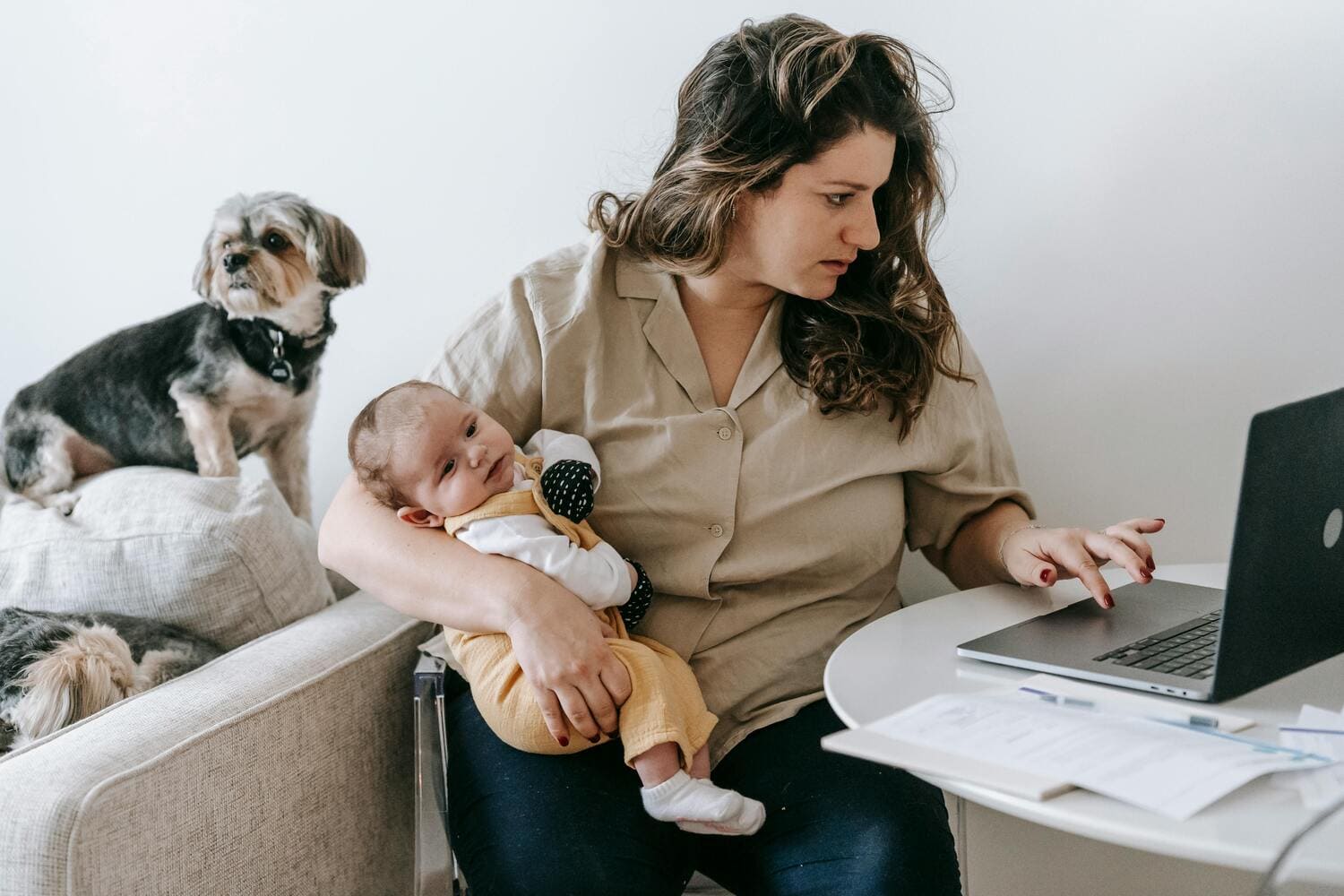
Burnout has been a growing topic in the business world since we all watched what healthcare workers experienced during the peak of the COVID-19 pandemic. It’s a topic that many companies need to be aware of as it has major psychological, physical, and health consequences for workers. Burnout and work stress are affecting women more than men, with 44% of working women saying they’ve experienced burnout compared to 36% of working men.
Everyday Stressors Impact Careers
What is causing women to experience more career stress and burnout? Deloitte’s 2024 “Women @ Work” survey identified various reasons contributing to this, including physical pain, the challenge of balancing careers while taking on the brunt of childcare and eldercare responsibilities, and even feeling unsafe in their working environment. Similar sentiments were shared by Sam Hammock from USA Today who discussed in an op-ed how women have so much social responsibility after work that it leaves very little time for them to focus on themselves. Sam stated that it’s “all just too much.”
All of these unresolved issues have started to push women away from the workplace. 16% of women had left their jobs, mainly due to inadequate pay and benefits, poor work-life balance, and increases in workplace harassment and microaggressions. Women are often tasked with doing “housekeeping” office work, such as taking notes or getting coffee, unrelated to their jobs. Neglecting employees’ mental states leads to high employee turnover, which can cost US businesses $1 trillion and drive away their best talent.
A Change in Norms Requires A Change in Strategy
So how can employees keep their women staff from burning out and leaving? In Hammock’s op-ed, she states that women put employer programs, such as childcare services, flexible hours, and paid leave meant for combating burnout, at the top of the list of workplace needs. Around 68% of women say childcare services are important for them, but only 21% said they worked at a company that offered them. The lack of such services is not a surprise, considering that traditionally, it was expected for men to work while women acted as caretakers and homemakers.
With women now making up half of the labor force, it is time to consider the fact that working culture and the needs and priorities of employees are changing.
Support And Allyship Benefits All
“What Women Really Want At Work” reports that women aren’t just requesting benefits. They are also highlighting leadership and management issues, which can’t be fixed with a simple policy change or benefit package. It isn’t easy to fix issues in leadership or to change the culture within the company. It is in the hands of mainly male leadership to act as allies and work with women to combat this growing burnout issue. The American Psychological Association suggests employers do check-ins and measure the amount of burnout occurring, making sure that employees aren’t overloaded. Creating a better work environment that promotes a less strenuous working style not only benefits women but all employees and the companies themselves in the long run.

Everyone is welcome! We offer DEI programs tailored to meet the needs of all experience levels—find out more about our workshops here.