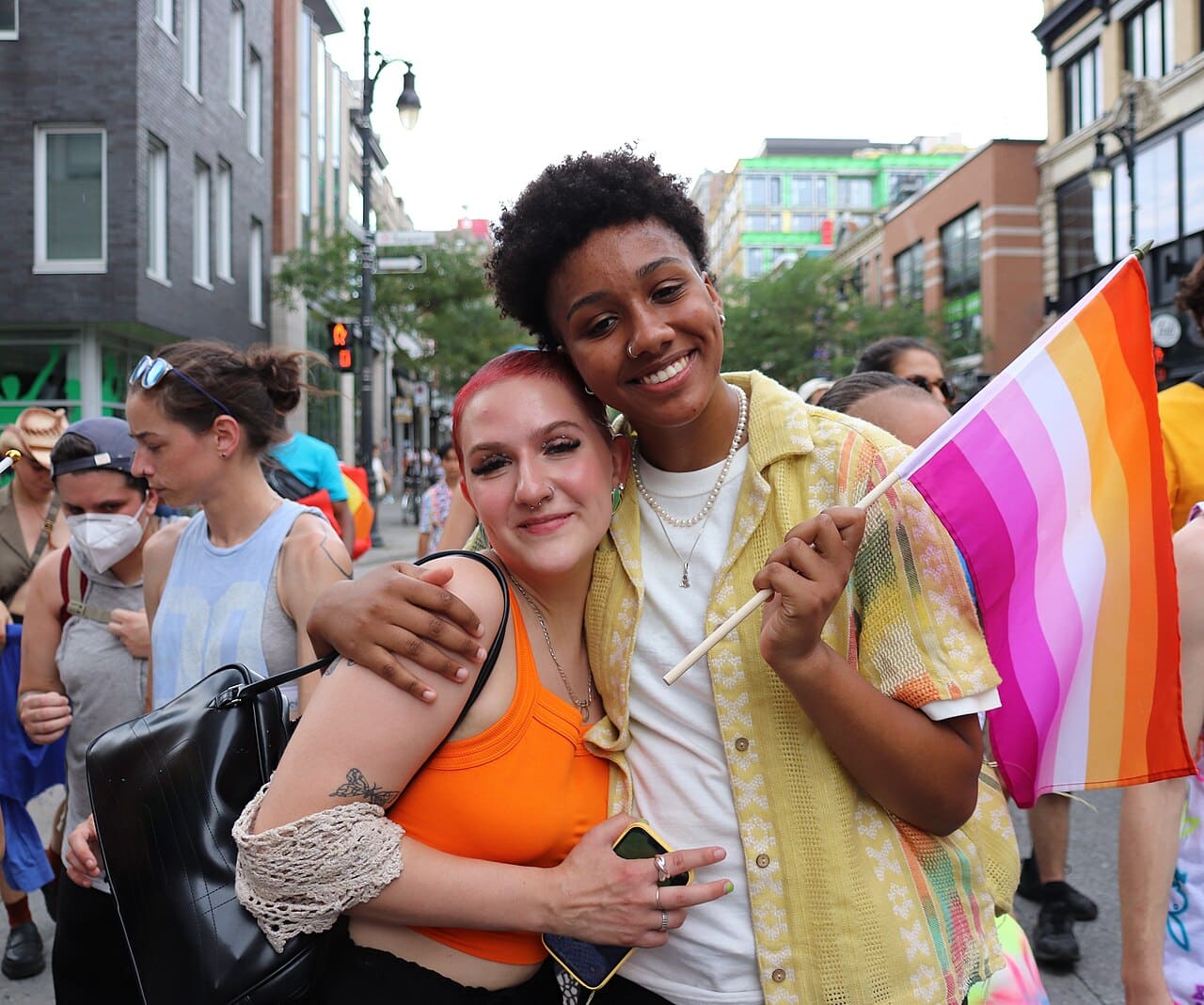
Expanding reading choices is more than a personal endeavor—it’s a step toward embracing diversity, equity, and inclusion. Reading widely fosters empathy and understanding, skills that enhance personal relationships and professional environments alike. Engaging with distinctly diverse voices that are entirely different from our own also helps dismantle unconscious biases, creating a more equitable cultural landscape.
Many male readers unconsciously favor male authors, a habit that reflects a broader gender bias in reading preferences. Studies show a marked gender gap in reading choices across genres and topics, with men being significantly less likely to read books by women—a bias that affects both personal growth and cultural awareness. Given that men also tend to read less overall, this bias further restricts their exposure to diverse narratives.
Gender Bias in Reading Choices
Even in genres where women excel, such as fiction and memoirs, research consistently shows that men overwhelmingly choose books by male authors. For instance, only 19% of readers for the top 10 bestselling female authors are male, compared to a more balanced readership for the top 10 bestselling male authors at 55% male and 45% female. This disparity is shaped by perceptions that women write about “domestic” topics or themes deemed less relatable to male readers. Such assumptions are reinforced by societal norms, media coverage, and literary promotion, even prompting some authors to disguise their identities and leaving many male readers unaware of the wealth of perspectives they’re missing.
Ironically, this dynamic raises the question: if women can relate to male protagonists, why are men less inclined to engage with female perspectives? Men are often socialized to see stories by women as “feminine,” while women are encouraged to engage with male narratives due to their ubiquity in literature and media. Men overwhelmingly dominate news coverage, entertainment media, leadership roles, and executive positions worldwide, so this is no surprise. This creates a default bias where male voices dominate, leaving women’s stories undervalued and “othered.”

Percentage of Male and Female Readers of Top 10 Bestsellers
Graph data: Nielsen Book Research via The Guardian
The Consequences of Limited Perspectives
Avoiding books by women leads to missed opportunities to broaden one’s worldview. Stories by women can explore unique societal insights and emotional depth while tackling universal themes like resilience, identity, and social change. These narratives challenge stereotypes and provide relevant perspectives for all readers. Ignoring these narratives may unintentionally reinforce these stereotypes and limit one’s ability to empathize with experiences outside their own.
Encouraging Everyone to Read Diversely
Diversifying reading habits doesn’t have to be daunting. There are curated lists of acclaimed books by women, such as those recognized by the Women’s Prize for Fiction. Similarly, readers from dominant cultural groups—such as white individuals or cisgender, heterosexual readers—can broaden their perspectives by exploring works by writers of color or LGBTQ authors. Joining book clubs that emphasize diverse voices or seeking personalized recommendations can make the process both easy and enjoyable.
By stepping outside of our comfort zones, we all can discover narratives that deepen our understanding of the world and enrich our lives. Setting a personal goal to explore the voices of people who are different from ourselves not only supports a more diverse literary landscape but also cultivates empathy and inclusivity.
Broadening reading habits is a journey worth undertaking—for personal growth, cultural awareness, and a more equitable society.

Learning Cycle promotes a variety of programs to help deepen your understanding of DE&I. If you would like to know more about us, please click on About Us.