Credit: MissLunaRose12, CC BY-SA 4.0, via Wikimedia Commons
The term ‘incel’ has gained significant attention in recent years. We have unfortunately heard it mentioned within horrific news stories like the Toronto shooting in 2018 or the 2023 Allen, Texas mall shooting. But where does this term come from? Who are the incels and what are their values?
Incel 101: Origins of the Term
Incel stands for “involuntary celibate.” It is an online subculture that centers around being celibate despite a desire to be sexually active. This ideology has gained momentum in recent years, and, since the internet connects us all, has been taken up by many men worldwide.
The origin of this term seems contradictory: the term was coined by a woman named Alana. Alana created the term in 1997 when she started writing a blog to connect with others about being in her mid-20s and struggling to find a romantic partner. In an interview, she says: “The word [incel] used to mean anybody of any gender who was lonely, had never had sex, or who hadn’t had a relationship in a long time. But we can’t call it that anymore.”
Personal Feelings of Inadequacy Blamed on External Factors
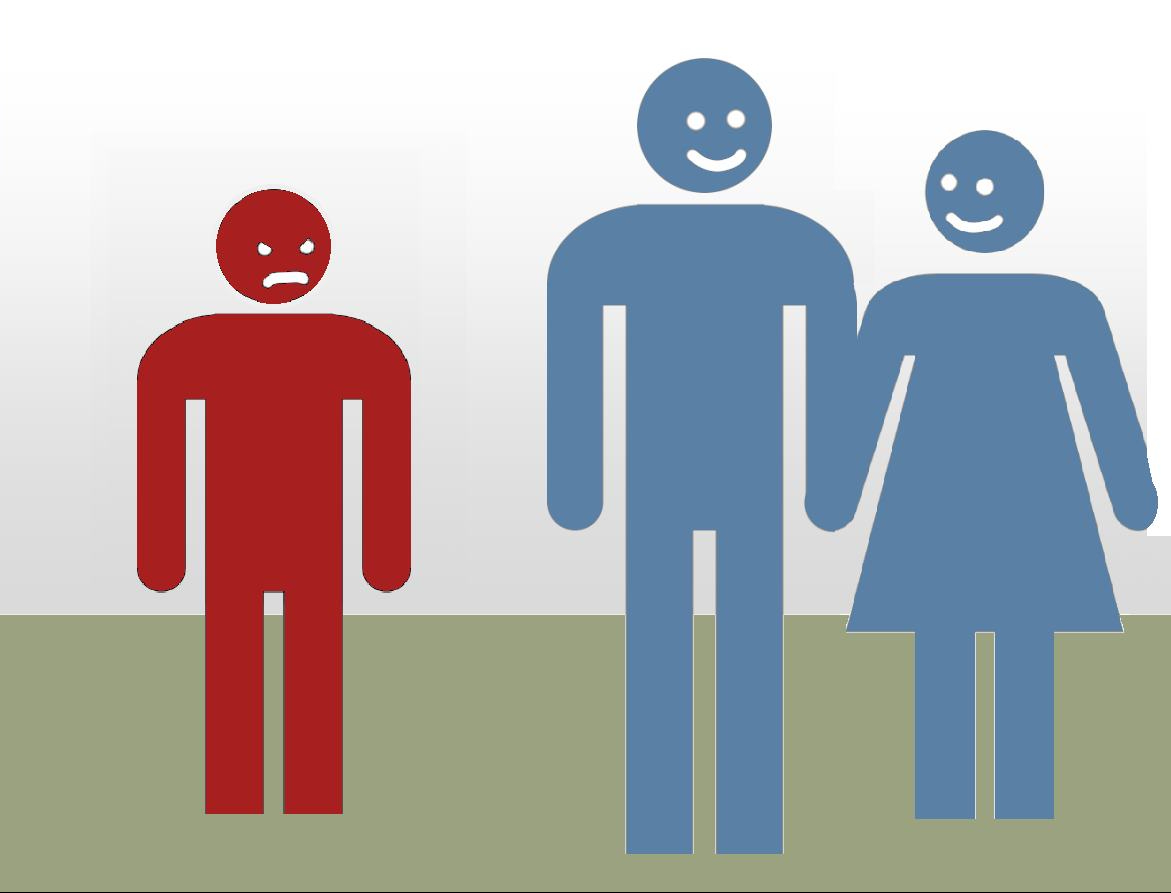
The incel ideology is based upon a loop of frustration and hatred towards society. The main principle that fuels them is the belief that society is structured around a looks-based hierarchy that dictates social relations. At the top of this hierarchy are what they call “alphas,” individuals who are attractive and whom others “seek to be or be with.” At the bottom are the incels. Feeling rejected by these so-called alpha women, incel groups dehumanize women entirely, categorizing them as selfish and superficial people. They strongly believe in the concept of hypergamy, which suggests that women always want to “marry up,” therefore blaming women for the existence of incels.
These ideologies are propagated and reinforced within online platforms (particularly Youtube, Reddit, and Twitter), where incel communities frequently share misogynistic and extremely violent content. This not only normalizes but also escalates aggressive attitudes toward women, fostering a sense of camaraderie among members and, in some cases, motivating real-world acts of violence.

How hypergamy functions in social relationships
Credit: YitzhakNat, CC0, via Wikimedia Commons
Anti-Women Extremism Manifests in the Real World
The first attack to be widely attributed to incel culture was committed by Elliot Rodger, a 22-year-old that killed 6 people and himself. At the end of the attack, Rodger distributed a 141-page manifesto titled “My twisted world” which detailed his hatred towards women as he blamed them for his lack of sexual activity. The first line reads: “Humanity…All of my suffering in this world has been at the hands of humanity, particularly women.” Even though Elliot never mentions the word incel in his manifesto, Alek Minassian, who carried out the Toronto shooting in 2018, baptized the attack as “the beginning of the incel rebellion.” Many others have followed in their footsteps, with actions ranging from threats of violence to murders.
Even though the incel community started as a way to feel less lonely when struggling with rejection, with the “Second wave incels” the subculture has become a way to instigate violence and hatred towards not only women but society in general. Addressing this issue seems very complicated and requires a new approach to mental health in a world where a lot of people feel lonely and discontent. It also requires a purposeful effort to combat misogynistic views. Online platforms play a crucial role in this subculture by circulating very explicit and violent content, so they must proactively moderate harmful content and promote safety, especially for women.

Credit: Flibirigit, CC BY-SA 4.0, via Wikimedia Commons

We offer practical DEI programs tailored to help you apply inclusive practices effectively in everyday business. Discover our workshops to see what’s available.