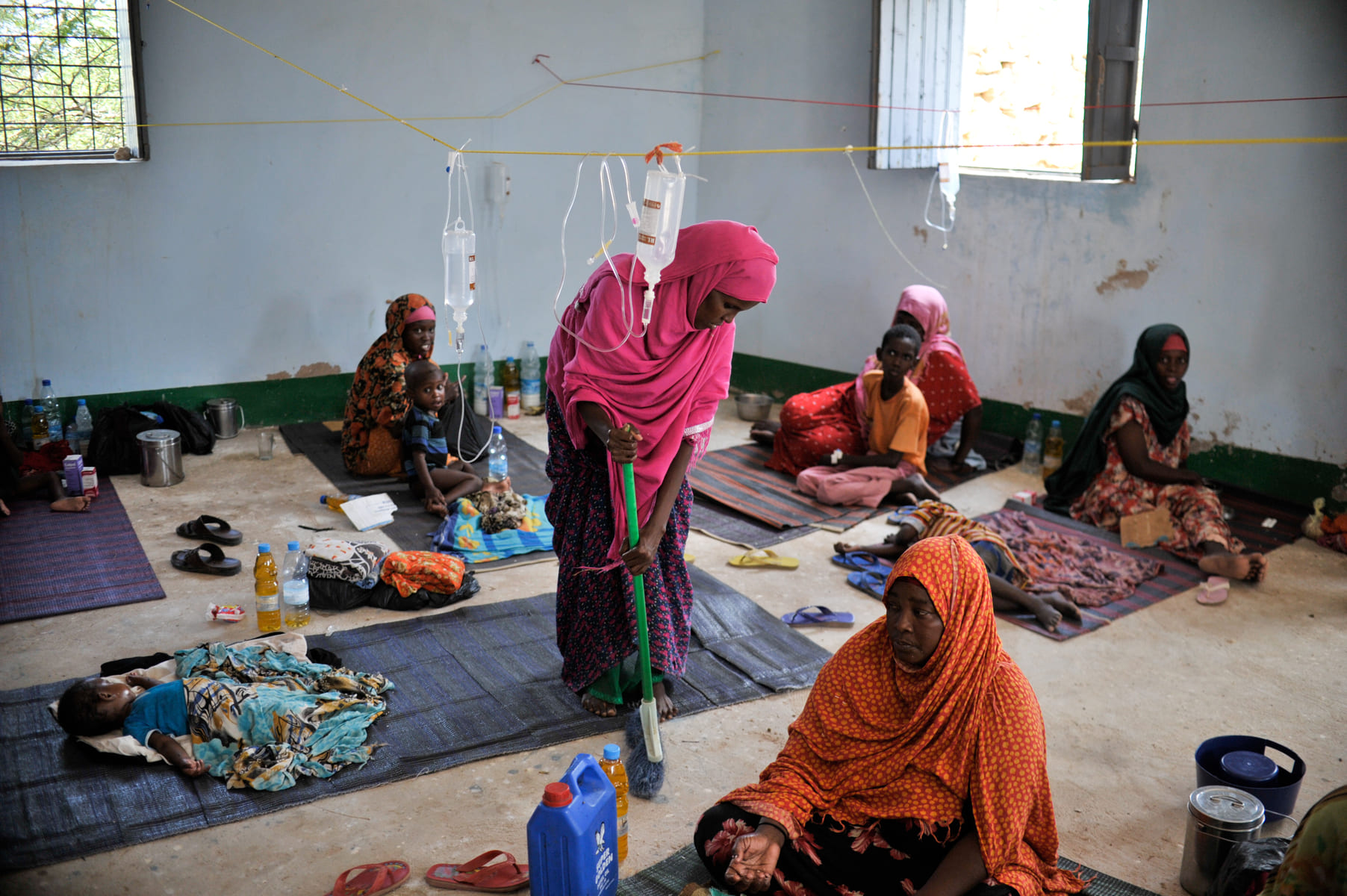
The Africa Centers for Disease Control and Prevention projects that an additional two to four million Africans per year are likely to die due to aid cuts in funding for health care. By 2030, these cuts may also impoverish a further 30-40 million Africans, forcing them to live below the poverty line. Those celebrating Trump’s steep aid cuts fail to realize that this move puts not only millions in vulnerable African communities at risk, but also endangers global health. As major donors like the EU and the UK also slash their aid budgets, it is now a matter of global security that disadvantages everyone.
Reducing Aid: Does Africa Stand Alone?
Aid in Africa has been crucial in managing and treating diseases, including but not limited to HIV/AIDS, tuberculosis, polio, and malaria, saving millions of lives across regions with fragile health systems. With global travel so convenient and unlikely to be halted, diseases could easily spread from one continent to another. There is an increased likelihood of infectious diseases like those and Mpox spreading beyond African borders due to reduced funding in immunization and containment efforts. Cutting this support threatens decades of progress in disease control, and in the event of another pandemic like COVID-19, sub-Saharan Africa’s chances of survival and recovery will be hindered significantly.

Current health expenditure (% of GDP)
Credit: World Health Organization Global Health Expenditure database, CC BY-4.0
Diversity Makes Finding an Equitable Solution a Challenge
Africa is now forced to look for ways to mobilize and fill in the funding gaps to take African health care into its own hands. Just as blanket aid cuts are damaging, a one-size-fits-all approach will be equally detrimental. Solutions must factor in the continent’s heterogeneity, diversity in character or content, and analyze gender-specific, socio-economic, and disability needs as well as area-specific needs. War-torn Sudan and the Democratic Republic of Congo, both experiencing a collapse in their medical systems due to conflict, won’t have the same needs as South Africa, which has a thriving healthcare system.
International aid has certainly been beneficial to Africa and will continue to save lives. However, having an integrated approach of domestic investments and international intervention is more appropriate for Africa in the face of these major cuts. Nigeria’s Basic Healthcare Provision Fund, for example, ensures that poorer communities have access to basic health care regardless of where they are in the country. The ultimate goal is to provide universal health care to all of Nigeria. It saw an additional 2.6 million Nigerians medically insured in the year 2024. Though primarily financed by the government, it also has funds from private sector investments and international donors.
A Shift Towards Medical Self-Determination
It is increasingly clear that Africa needs to be at the center of its own health financing, not trying to fill the gaps from international aid organizations or other countries like China. These aid cuts have hurt millions, but also represent a critical turning point that may provide Africa with a sustainable backbone to take care of its own people by forming strategic alliances, reevaluating its priorities, and championing domestic and regional efforts to improve health care for all, not just those who can afford it.


Encourage DEI in your organization with programs tailored to your needs. Find out how we can support you on your DE&I journey.