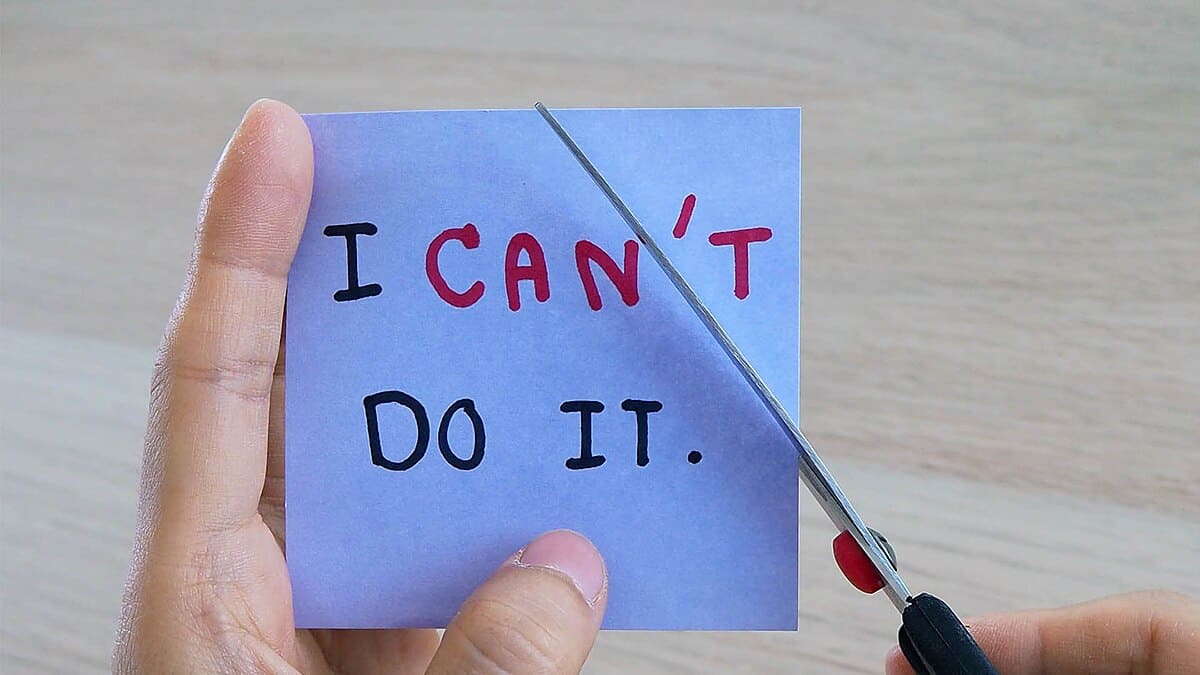
Credit: Smilie027, CC BY-SA 4.0, via Wikimedia Commons
Have you ever felt like a fraud, like you are completely unprepared to perform your role despite your qualifications, achievements, and experience? This feeling is imposter syndrome, and it is a common experience for many, particularly members of marginalized or minority groups like women, LGBT people, and people of color. High-achieving individuals who report experiencing imposter syndrome ascribe their successes to luck or chance, believing that they aren’t genuinely capable of performing at the level they are. Learning Cycle spoke with three female executives of corporations operating in Japan to learn more about how imposter syndrome has impacted their careers and the careers of other women around them.
Qualified, but Uncertain
For women in leadership and in traditionally male-dominated fields like STEM, imposter syndrome is common. One survey of women in STEM found that 97.5% of respondents reported experiencing imposter syndrome. In a cohort of high-performing senior women at Fortune 1000 companies, KPMG found that 75% reported feelings of being an imposter, with 57% experiencing it during periods of transition or promotion.
Mika Kurahashi, CEO of web marketing consulting company Pencil, had a similar experience when she was brought into leadership. She says it was common for her to be overlooked in a room full of male leaders, despite her accomplishments as a high-performing consultant. Kurahashi felt she was expected to represent all women, creating discomfort.

Severity score of imposter syndrome by gender and field of study reveals those in STEM feel it more frequently
Credit: Psi Chi
Where Are All the Women Leaders?
This discrepancy between low self-confidence and high performance can be confusing to those on the outside.
One might assume that consistently positive results and upward career trajectories would ease any self-doubts, but unfortunately, imposter syndrome stems from more than just mental health. Lack of diversity and inclusion at the highest levels certainly contributes. 10.4% of Fortune 500 companies are headed by female CEOs. In Japan, only 1% of CEOs of listed companies are women. With men as the majority in leadership, the stereotypical image of a leader is typically a man.

Women CEOs on the fortune 500
Data via Fortune
Noriko Harada, CEO and president of AI analytics and business communication platform AI CROSS has strong advice for women leaders who experience imposter syndrome in such circumstances: “You don’t have to be like men.” Trying to copy and conform to the stereotypes will only make you unhappy, as you aren’t being true to yourself. Harada says it is important to develop an “immunity” to gendered stereotypes and expectations to avoid being intimidated or pressured. Instead, prioritize joining or building a community of allies of all genders. Men and other members of the majority can be powerful allies for positive change when they share their diverse experiences to support others as they learn how to lead effectively and authentically.
In homogeneous environments, minorities can be perceived as outliers, not fully competent and capable businesspeople in their own right. Momo Kanayama is the former head of the Japanese subsidiary of a French luxury brand. Kanayama was born in Japan, yet raised and educated in France. She spent most of her early career as one of the few women and Japanese people in board rooms full of mostly Western men. She saw herself as being “alone” and quickly had to develop an independent mindset to help her bridge the gap between her two cultures and communities. Kanayama says the key to defeating imposter syndrome is not being too hard on yourself. You should be kind to yourself and believe in the results that you have achieved along the way. Prioritizing connections with people who genuinely support you and your goals will help you to feel secure and motivated as you progress in your career.
Building Self-Confidence and Ally Networks
Overcoming imposter syndrome is not an easy task. As we learned from Kurahashi, it isn’t enough to know that you are a capable worker. There are many external factors and cultural dynamics that can be telling you that you aren’t good enough, even when you are. After learning about imposter syndrome and sharing that information with others, it becomes possible to discuss these difficult topics and can bring a sense of relief and understanding. Harada and Kanayama espouse the value of connection and finding allies who build you up rather than tear you down. The research agrees with them. Individuals dealing with imposter syndrome are often strong team players who do well in social situations. Pro-social behaviors intended to make up for their perceived weaknesses are, in fact, evidence of their strengths. All you need to do is strengthen those bonds and reframe your thinking.


We offer practical DEI programs tailored to help you apply inclusive practices effectively in everyday business. Discover our workshops to see what’s available.