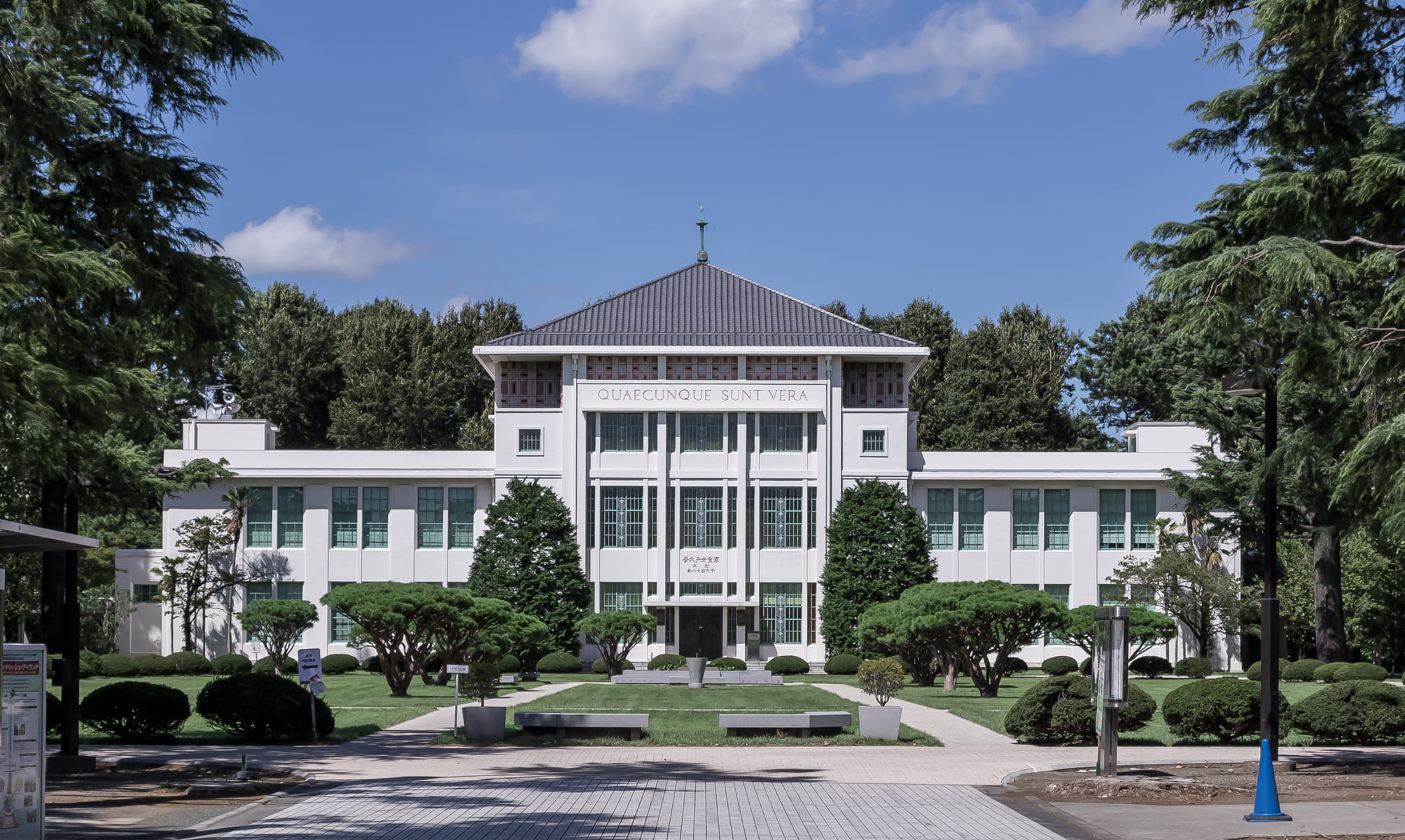
Credit: Kakidai, CC BY-SA 4.0, via Wikimedia Commons
Many assume that developed countries have successfully broken gender norms and tackled inequality. In reality, there is still much work to be done. Learning Cycle was invited to the Tokyo Women’s Christian University to discuss these matters as part of a guest speaker series hosted by the Institute for Research on Women and Gender. The presentation focused on persistent gender disparities in Japan’s corporate landscape, including the gender pay gap and the underrepresentation of women in managerial positions. The event drew over 30 virtual attendees, while a select group of students and a few professors participated in person to engage more closely with the discussion.
Working Towards an Imperfect Benchmark
In Japan, U.S. figures are often perceived as acceptable benchmarks to strive for, yet this overlooks the reality that those benchmarks reflect ongoing, deeply ingrained gender disparities facing women in the U.S. Even today, many young female activists push back against inequality, like Reshma Saujani of Girls Who Code, which empowers young girls through computer science, and Isabella Aiukli Cornell, raising awareness of domestic violence against Indigenous women. It is just as important for Japanese youth to raise their own awareness of gendered issues and take proactive steps themselves to close the gaps.
Women Largely Excluded from Leadership
One such gap, the underrepresentation of women in managerial roles, exists in developed countries across the globe and is an underlying factor in other gendered workplace concerns. According to S&P, as of 2023 in the United States, women held only 30% of junior management positions and just 20% of senior management roles, figures that reveal significant gender disparities.

Women in Management Roles (US)
Data: via S&P Global
In Japan, the gap is even wider, with only 9.8% of managerial positions held by women on average. As a result, both countries continue to face substantial gender pay gaps, with women earning an average of 78% of men’s earnings in Japan and 83.6% in the U.S.
Students reflected on this, discussing their own experiences that highlighted times when they felt like a “minority” or were “the only woman” in a particular setting. One student shared her experience joining an athletics club as a child, only to find she was the only girl. The club was perceived as a space for boys, which highlighted how rigid gender roles exist not only in the workplace but also in extracurricular and social environments.
In response to growing concerns about gender disparity, Japan has introduced new regulations requiring disclosure of the percentage of female employees and any existing gender pay gaps in their annual reporting. Measures like these are effective in raising awareness and encouraging institutional change. The United Kingdom implemented a similar policy in 2017 and subsequently narrowed its gender pay gap from 9.1% to 7.9% by 2021.

Gender pay gap for median gross hourly earnings, UK (1997 – 2021)
Credit: Office for National Statistics via ONS.gov.uk
Let’s Work Together: Seeking Progress in All Realms of Life
Beyond the corporate world, one student noted that candidates in the upcoming election were primarily focusing on issues like taxes, foreign policy, and healthcare while largely ignoring gender inequality.
She expressed concern that such topics are often overlooked by the male-dominated political sphere. In response, Learning Cycle encouraged students to “lean in” and build solidarity among female peers, while also engaging in conversations with the men in their lives to raise awareness and promote “equity at home” and in other realms where they can personally make a difference.

Changing long-standing gender norms may not happen overnight, but even small actions can contribute to a broader shift. Helping a family member recognize their unconscious biases might not immediately benefit you directly, but it could positively influence their workplace or community. Meaningful change is first reflected in everyday life, so do not underestimate the power of one person.
We are pleased to share that part of the presentation at Tokyo Women’s University was contributed by one of our student interns.

We offer practical DEI programs tailored to help you apply inclusive practices effectively in everyday business. Discover our workshops to see what’s available.