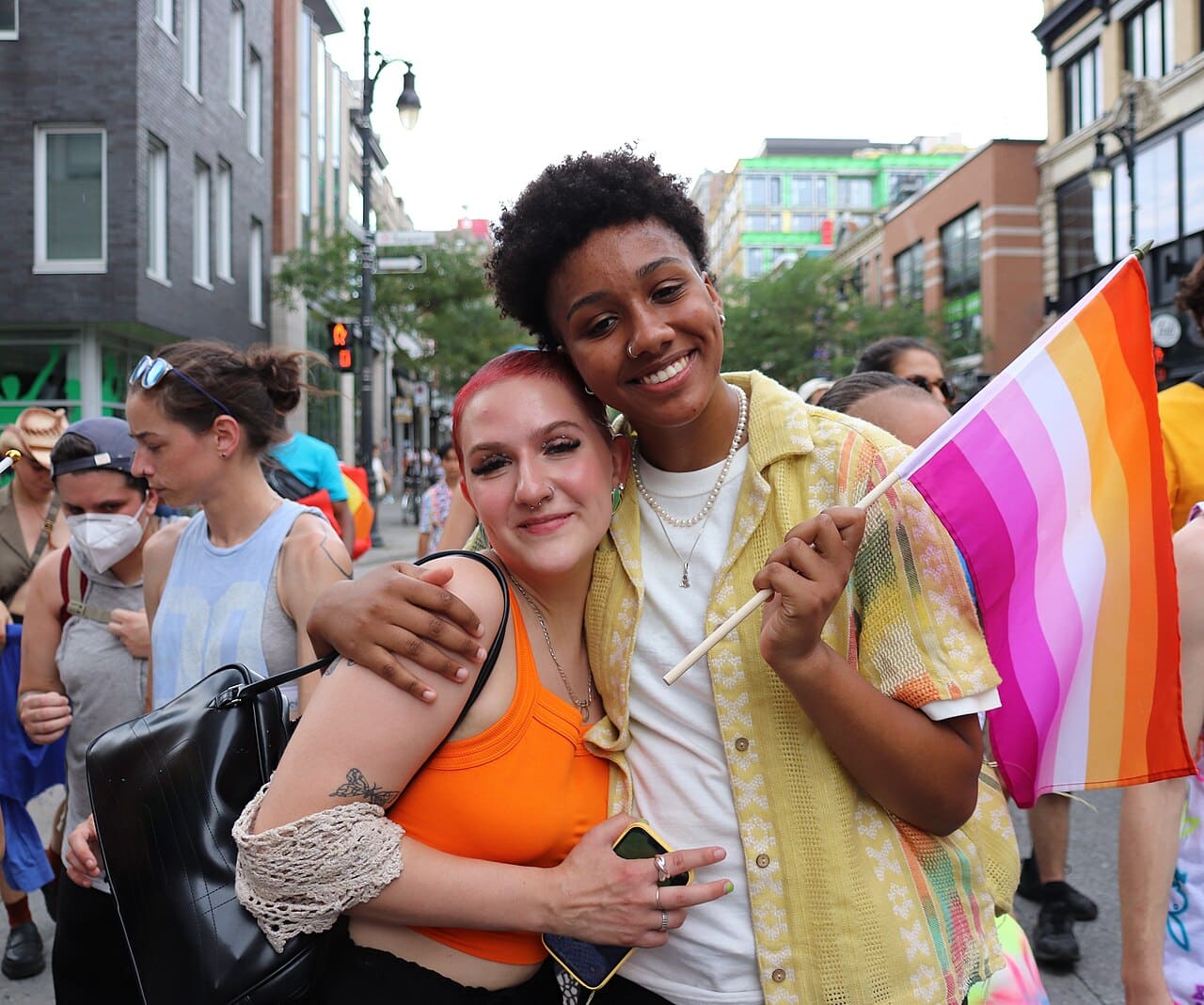
Credit: Andrew Smith, CC BY-SA 4.0, via Wikimedia Commons
If your neighbor’s home burned down, would you turn them away if they asked for help? Even if they lived a few streets down and you didn’t know them personally, you might still feel inclined to assist, right? While the humanitarian crisis for refugees is more complex than a neighbor in need, misconceptions about refugees’ situations have caused many to turn away from the growing crisis unfolding on their doorsteps.
Millions Driven From Their Homes, Many Millions More Expected In The Near Future
In 2024, there were 43 million refugees globally, which is more than triple that of a little over 10 years ago. This means 1 in every 67th person is a refugee. The number of refugees will keep growing as more people are forcibly displaced due to war, climate change, and human rights conflicts. Although there is a distinct difference between refugees and immigrants, it is important to note how growing racist and xenophobic anti-immigrant sentiments in North America and Europe are undermining refugee rights.
Additionally, research suggests that certain parts of the EU were generally more open to accommodating a certain type of refugee, a refugee that was closer in likeness to the host country’s citizens. The profile of that refugee was often white, Christian, female, highly-educated, and young. This indicates the very clear double standard towards how refugees are seen and are treated as a result.
Racially-Driven Motivations for Differing Treatment
Media coverage has also had a profound effect on public attitudes toward different groups of refugees. A report published by the UN’s International Organization for Migration reveals how the language and tone in the news differed during the 2015 influx of brown Muslim refugees into Europe versus the 2022 influx of white Ukrainian refugees. [1] When Syrian refugees came ashore, many international and local news outlets used terms like “crisis” and “invasion,” fueling fears that they brought violence and crime. In contrast, Ukrainian refugees were framed as “victims,” leading to a more sympathetic response.

Data from the UN Refugee Agency via UNHCR.org
Seeking refuge and asylum is a fundamental right under international law, and many host countries are not in a position to outright turn refugees and asylum seekers away. However, some governments have found covert ways to make entering their countries extremely difficult. Refugees from Africa, for example, attempt the long and treacherous journey through the Mediterranean Sea on wooden fishing boats or flimsy rafts, only to find the relatively safer, shorter routes blocked by increased border control. Forced to take more dangerous paths, thousands have lost their lives, including children. Those who survive end up being detained at the border or forced to go somewhere else. Those who do make it to safety often end up facing excessively long wait times as their applications crawl through the immigration system. Furthermore, the conditions of refugee camps are found inhospitable with limited access to basic amenities, discouraging them from staying.

Credit: Alisdare Hickson, CC BY-SA 2.0, via Wikimedia Commons
The Developed Worlds’ Shameful Inability to See Beyond Themselves
It’s not that the West is unprepared for refugees. Rather, it is that they are unprepared for ‘others’—those who don’t look, eat, or pray like them. This is not a matter of economic crisis, as refugees often contribute positively to the economies of their host countries when allowed to work by paying taxes and addressing labor shortages in an increasingly aging population. Whether the world chooses to admit it or not, this is a humanitarian crisis, one that requires collective action to resolve.
Refugees don’t willingly choose to flee their homes. To leave everything you know behind for survival is an enormous challenge in itself. They don’t need the world on their backs making it even harder.

[1] The role of media narratives in shaping public opinion toward refugees: A comparative analysis, by Katherine McCann, Megan Sienkiewicz, Monette Zard from Columbia University, published under CC BY-NC-ND 3.0 IGO via International Organization for Migration

We offer practical DEI programs tailored to help you apply inclusive practices effectively in everyday business. Discover our workshops to see what’s available.