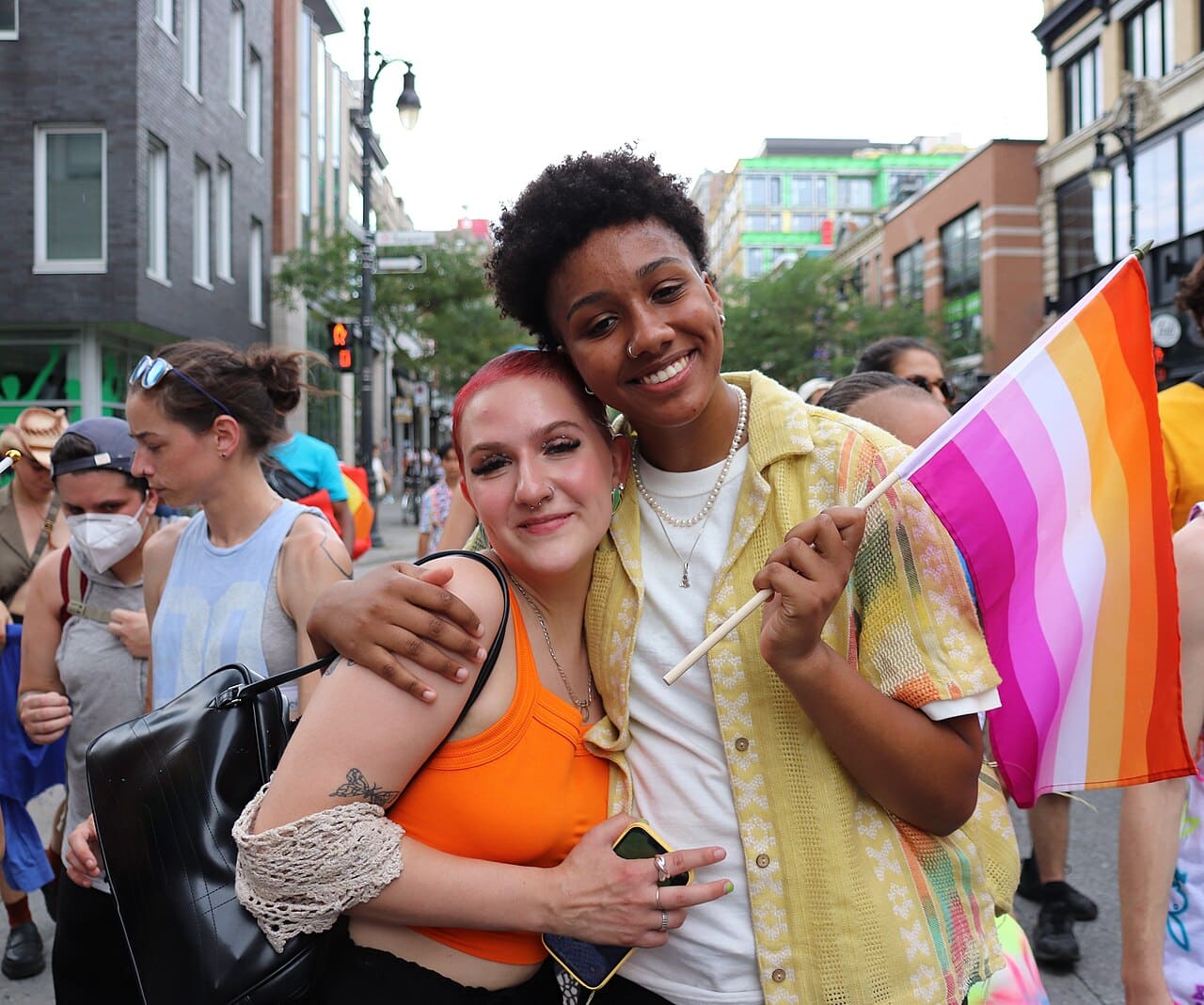
Credit: Ben Tavener, CC BY 2.0, via Wikimedia Commons
Behind rainbow-filled Pride Parades is a rich history of resistance that is globally growing stronger every year. As you may have heard, the first Pride was a riot. The Stonewall Riot was the catalyst of the gay rights movement, as members of the LGBTQ+ community grew tired of living in the shadows to hide their “illegal” sexualities and gender expression. This would be a turning point for the LGBTQ+ community, and a year later, it was commemorated with a day of remembrance.

Jurisdictions that allow same-sex couples to marry
Credit: Same-Sex Marriage Around the World, Pew Research Center, Washington, D.C. (June 28, 2024)
The Evolution of Pride
To celebrate the first anniversary of the Stonewall Riots, the Eastern Regional Conference of Homophiles planned a Remembrance Day Picket. This picket was then changed to a celebration or parade that would be held every year on the last Saturday in June. According to the US Library of Congress, it further evolved into a march through the streets of New York, with many holding signs to remind everyone of the community’s existence. The community celebrated this day every year until 1999, when further government recognition was given by then-president Bill Clinton, who introduced a proclamation for June to be Gay and Lesbian Pride month. Transgender and bisexual people were not officially recognized until a similar proclamation from the Obama administration in 2016, formalizing what we now know as LGBT Pride month.
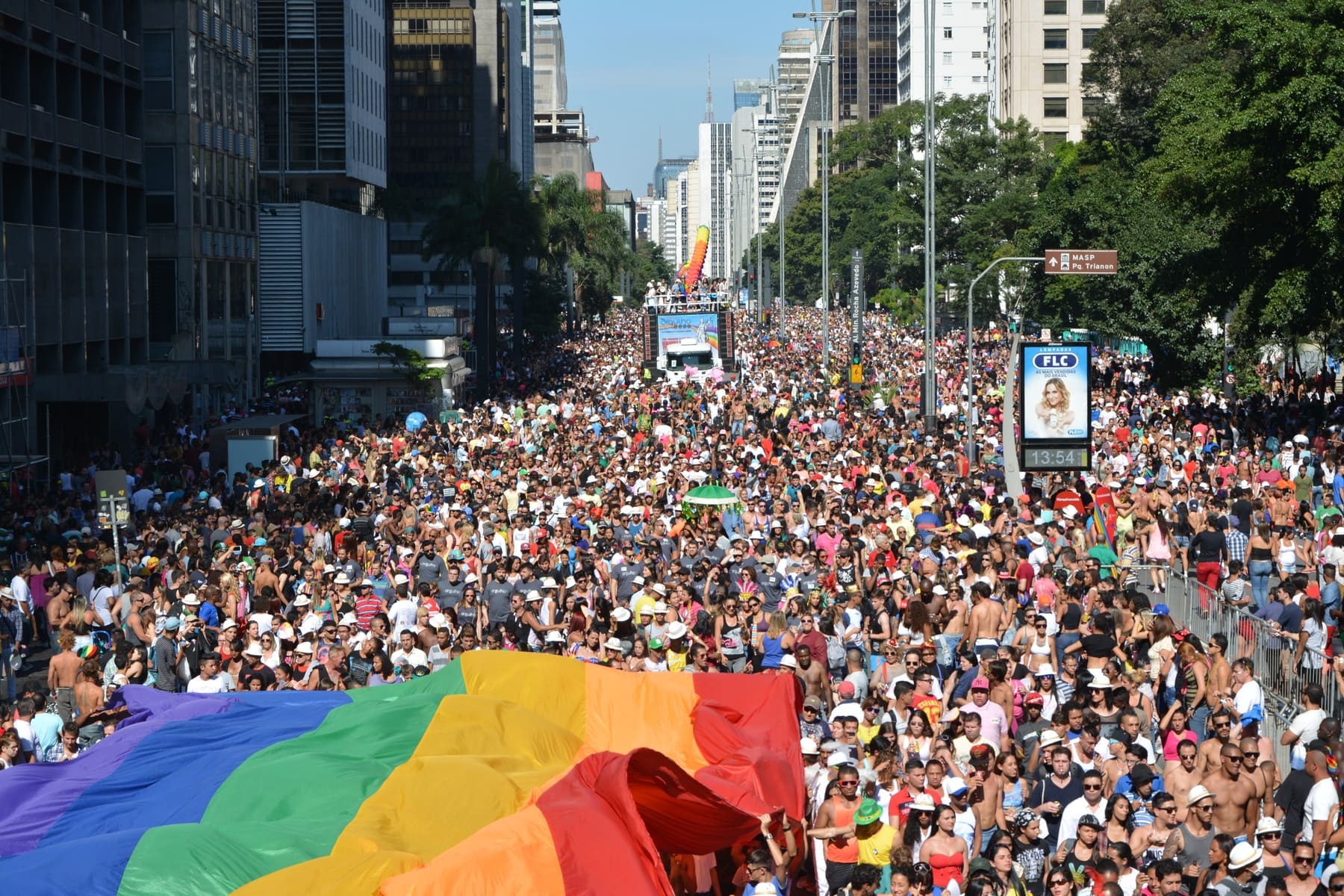
By 1980, Pride had grown beyond New York City to Montreal, Sydney, London, and Mexico City. As of 2023, 101 countries have held Pride events to aid in the visibility of their LGBTQ+ communities. Of course, there are still many places in the world where being queer or gender non-conforming is illegal or stigmatized, making Pride either unavailable or risky to participate in. Google facilitated the first virtual Pride event in 2016, allowing people to participate in Pride privately from the comfort of their homes. Virtual Prides have expanded even further, with Interpride and the European Pride Organizers Association’s creation of Global Pride during COVID-19 lockdowns.
Corporate Pride: A Sign of Progress or Marketing Strategy?
Corporations have become increasingly more involved with Pride. In June, companies such as Google, Apple, IBM, and more don the rainbow to visibly show their support of the LGBTQ+ community. This corporate involvement can lead to more visibility and representation by influencing other businesses to do the same. It may also increase financial support for the community through the endorsement of LGBTQ+ businesses and donations. However, broader participation in Pride has led to some businesses taking part purely to boost their inclusive image. This “pinkwashing” allows companies to performatively show support while enacting policies that harm the LGBTQ+ community. One recent example is Target, which has suffered boycotts after discontinuing its DEI initiatives despite its history of supporting Pride. These actions are marketing ploys, not true activism.

Credit: Andrew J.Kurbiko, CC BY-SA 4.0, via Wikimedia Commons
50+ Years of Pride And The Fight For Equality Continues
Many cisgender, heterosexual people question why Pride is needed, especially in countries where it is legal. Legality doesn’t mean zero stigma. Pride is about allowing LGBTQ+ folks to be loud and proud of being who they are and forcing the world to acknowledge their existence. Pride also brings a sense of community and belonging, a powerful tool in combatting the mental health struggles faced by many queer and gender non-conforming people in their daily lives. Progress is continually being made thanks to things like Pride, which uplift the voices of minorities. These parades will and should continue to exist as long as rights are not guaranteed to all.


Learning Cycle promotes a variety of programs to help deepen your understanding of DE&I. If you would like to know more about us, please click on About Us.