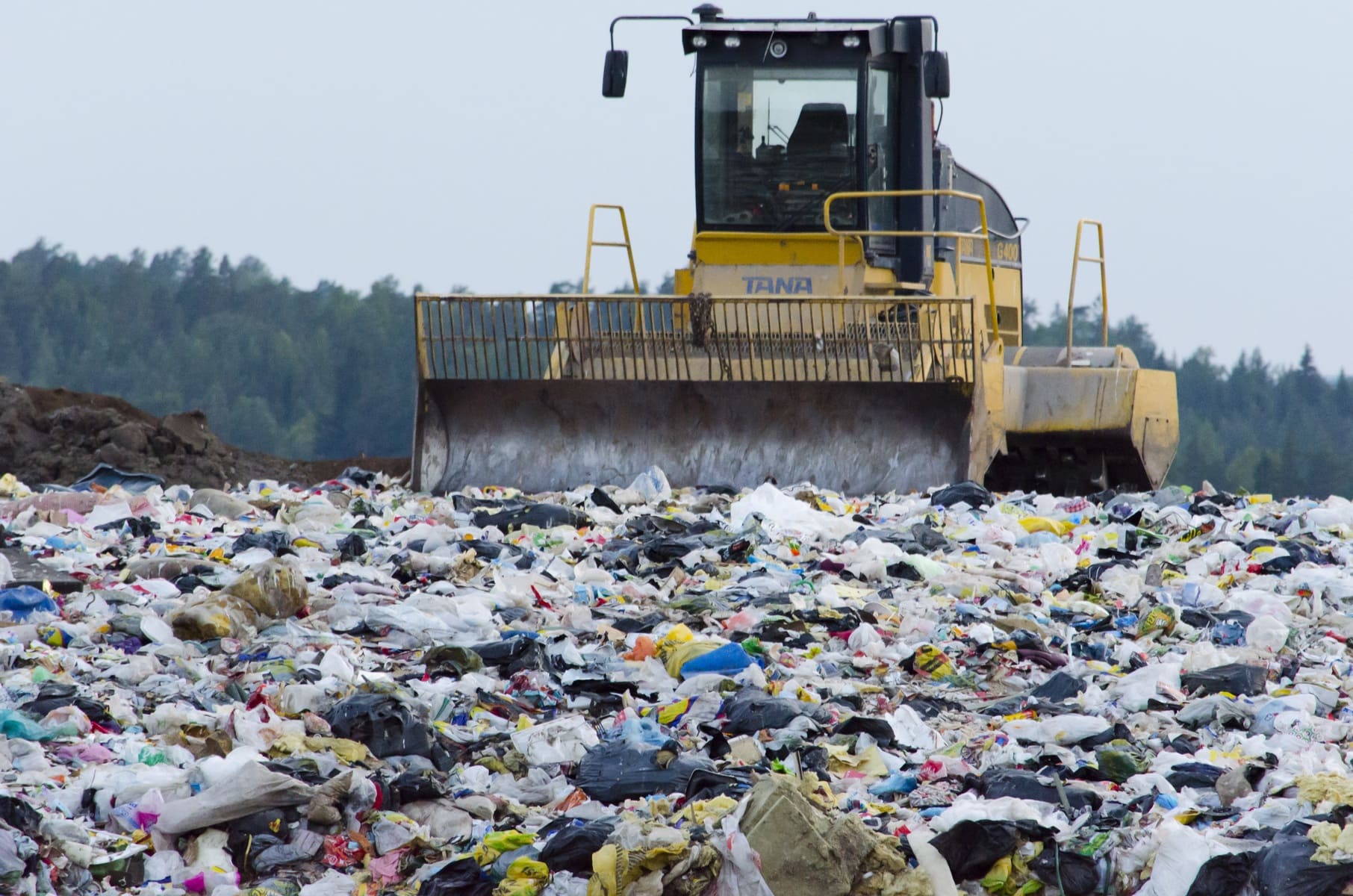
We live in a world that prides itself on constant development towards efficiency. People are always searching for the next great product that will allegedly improve our lives in every way thinkable. Everywhere you look in reality and online, there are ads trying to sell you products that marketers want you to need. It is no wonder then that we purchase so many more consumer goods than anyone actually requires.
When You Want for Nothing, Waste Skyrockets
The food industry is one market in which overconsumption has an obvious impact on our planet. Consider how much food you purchase in a year. How much are you actually using and how much is eventually dumped into the trash and wasted? It is estimated that every person in Europe wastes 79kg of food yearly, with global food wastage adds up to about 2.5 billion tons. Perfectly edible food that is only blemished or misshapen is being thrown away when global hunger is rising. Not to mention the trillions of gallons of water, energy, and manpower that went into producing that food are wasted. This places a major toll on the earth.

42.4 kg of avoidable food waste found in New Zealand household rubbish bins in 2014.
Credit: Love Food Hate Waste NZ, CC BY-SA 4.0, via Wikimedia Commons
The Costs of Being in Vogue for Your Wallet and the Earth
Overuse of resources and materials is also a pervasive issue in the fashion and technology industries. Fast fashion brands, which cater to a wide audience by offering a wide variety of inexpensive mass-produced clothing, are some of the greatest polluters of our time. European statistics show that almost half of the textiles bought in a year by weight end up as waste. People are regularly buying and disposing of more clothing than we used to, and quite frankly, ever should. Meanwhile, major technology brands like Apple have set trends encouraging yearly device upgrades. Even when your phone works perfectly well, all the marketing says that you must go out and buy the newest release, creating millions of tons of hazardous e-waste.

The truth is, in most cases, we don’t actually need these products. Big data algorithms allow companies and online platforms to tailor their ads to specific consumers. How many times have you discussed or researched some product, only to log on to Instagram and see an ad for that very same item? Social media advertising, in particular, relies heavily on the fear of missing out (FOMO) to push users to make endless purchases so that they can have a life just like that of their favorite influencers. The bottom line is that this constant bombardment of messages encouraging the purchase of consumer goods is unhealthy and unsustainable.
Change is Needed: Avoid the Gluttony of the Modern Age
A lot of people greatly value having unlimited options of what to eat, what to wear, and what to use. This, coupled with the ease of making purchases online is what has allowed overconsumption to grow unchecked in recent years. As long as we think a high standard of living is connected in our minds to consumption, we can’t expect anything to change, much less improve. Rejecting the idea that consumerism creates community, ignoring FOMO, and unplugging from addictive online platforms is key to protecting our planet and our wallets.
This article was written by a guest contributor, M. Oyejola.

We support DEI through practical solutions for organizations of all sizes. Discover more on our About Us page.