
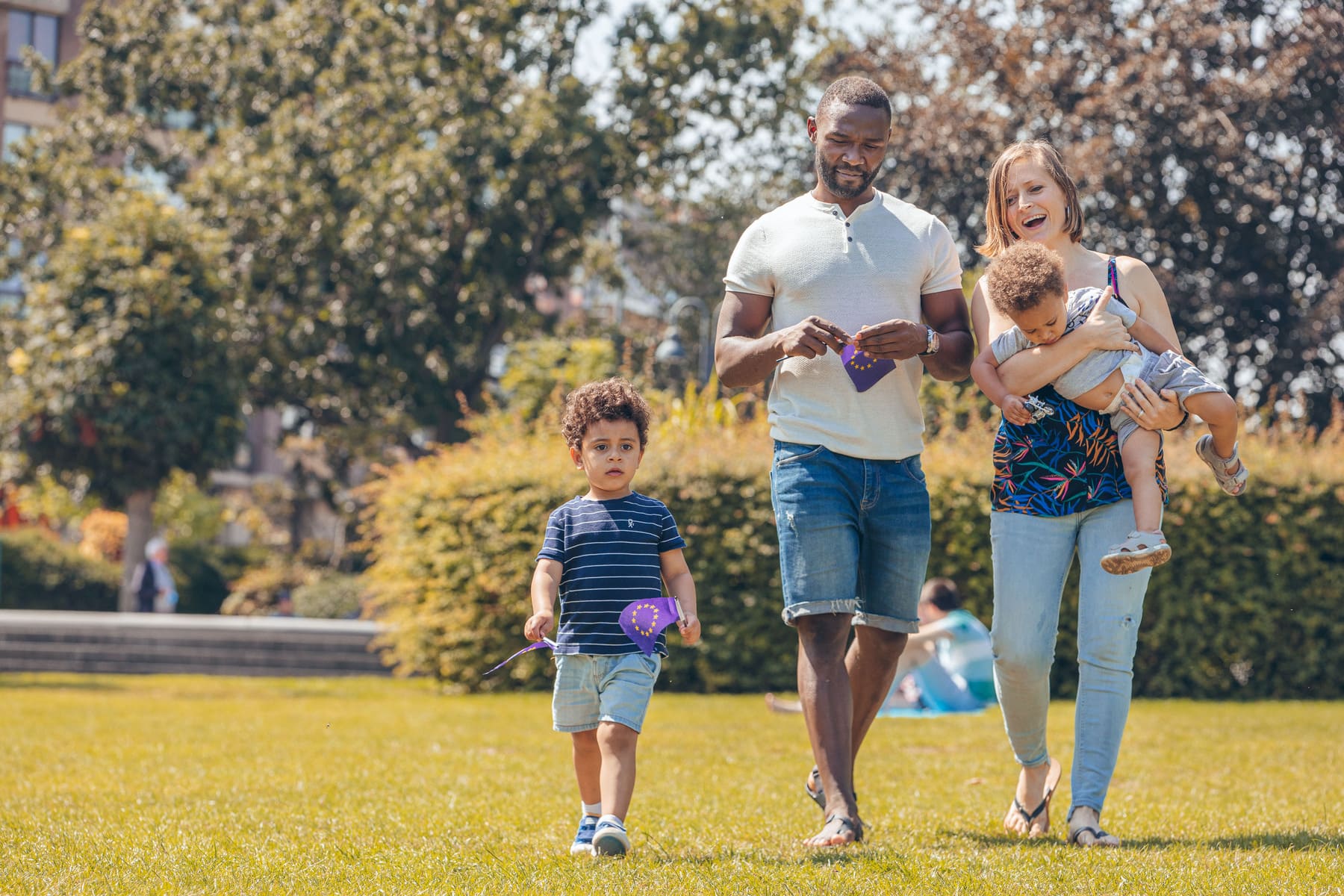
Credit:European Union, 2025, CC BY 4.0, via Wikimedia Commons
Interracial couples, or partners from different racial and ethnic backgrounds, are becoming increasingly common around the world. This shift reflects growing diversity and interconnectedness in many societies. Yet even with greater visibility, stigma and discrimination continue to shape how interracial couples are perceived and treated. While acceptance has expanded, outdated attitudes still create real challenges for many.
A Universal Trait: In-Group Bias
Research shows that interracial couples can provoke implicit bias and even feelings of disgust, which may lead to dehumanization. One of the most persistent stigmas is the idea that being with someone of a different race represents a betrayal of one’s cultural group. Some question the loyalty of partners in interracial relationships and accuse them of abandoning tradition. Others perpetuate harmful stereotypes that such couples are less moral or less willing to conform to social norms. On a personal level, couples often face rejection from relatives, poor family support, or criticism from friends and their wider community. These biases are not always openly expressed, but can still influence behavior in damaging ways.
The weight of external judgment often seeps into the relationship itself as the strain of navigating prejudice can undermine trust, communication, and satisfaction in a relationship, even when the bond between partners is strong. Individuals in interracial relationships are more likely to report feelings of jealousy, insecurity, or heightened concern over how others perceive them. The stigma faced by interracial couples is also linked to higher levels of depressive symptoms and overall psychological distress due to constant exposure to microaggressions and dismissive behaviors. This takes a major toll on mental and physical health, with people in interracial relationships reporting lower well-being than peers in same-race partnerships.

Interracial and inter-ethnic marriages, as % of total (US)
Credit: Census; IPUMS USA via The Economist
When Diversity is Strength
Despite these challenges, many couples find ways to protect and strengthen their relationships. Developing a positive view on diversity and a strong racial-ethnic worldview is critical. Feeling secure in their identity while acknowledging the impacts of racism can determine if experiencing stigma weakens or strengthens the relationship. Open communication is equally important. Talking honestly about race, expectations, and external pressures helps couples manage stress together. Supportive families and inclusive communities or peer networks can provide a critical buffer against social stigma, reducing feelings of isolation and affirming the value of their relationship.
While it is important to address challenges, it is just as vital to acknowledge the strengths and benefits that interracial couples bring. Exposure to different cultural traditions broadens perspectives, fostering empathy, tolerance, and openness. On an individual level, partners often experience personal growth by confronting biases and learning to navigate cultural differences with respect.
Making Connections in Our Increasingly Global World
Many interracial couples also build resilience. Facing adversity together can deepen trust, improve communication, and strengthen their bond. On a larger scale, these relationships challenge stereotypes, push social boundaries, and promote greater acceptance in society. As their visibility increases, interracial couples help shift attitudes and contribute to more inclusive communities.
Interracial couples continue to face stigmas that affect both personal well-being and relationship quality. Yet these challenges do not define them. Their resilience, growth, and positive influence on society deserve recognition and respect. By reflecting on our own attitudes, supporting inclusive norms, and creating environments where all relationships are valued, individuals and communities can help ensure that all love is not just tolerated, but celebrated.


Encourage DEI in your organization with programs tailored to your needs. Find out how we can support you on your DE&I journey.


