Credit: RamaGaspar, CC BY-SA 4.0, via Wikimedia Commons
When we think about discrimination and bias, often our first instinct is to consider race, gender, or even disability. However, body size is a significant area of discrimination we don’t often talk about. Much like your race, your body size is often hard to disguise. Globally, 1 in 8 people were classified as obese in 2022, and the number is expected to rise. Yet, despite the commonality of this condition, fatphobia is prominent.
Society Has an Opinion on Your Body and It Will Let You Know
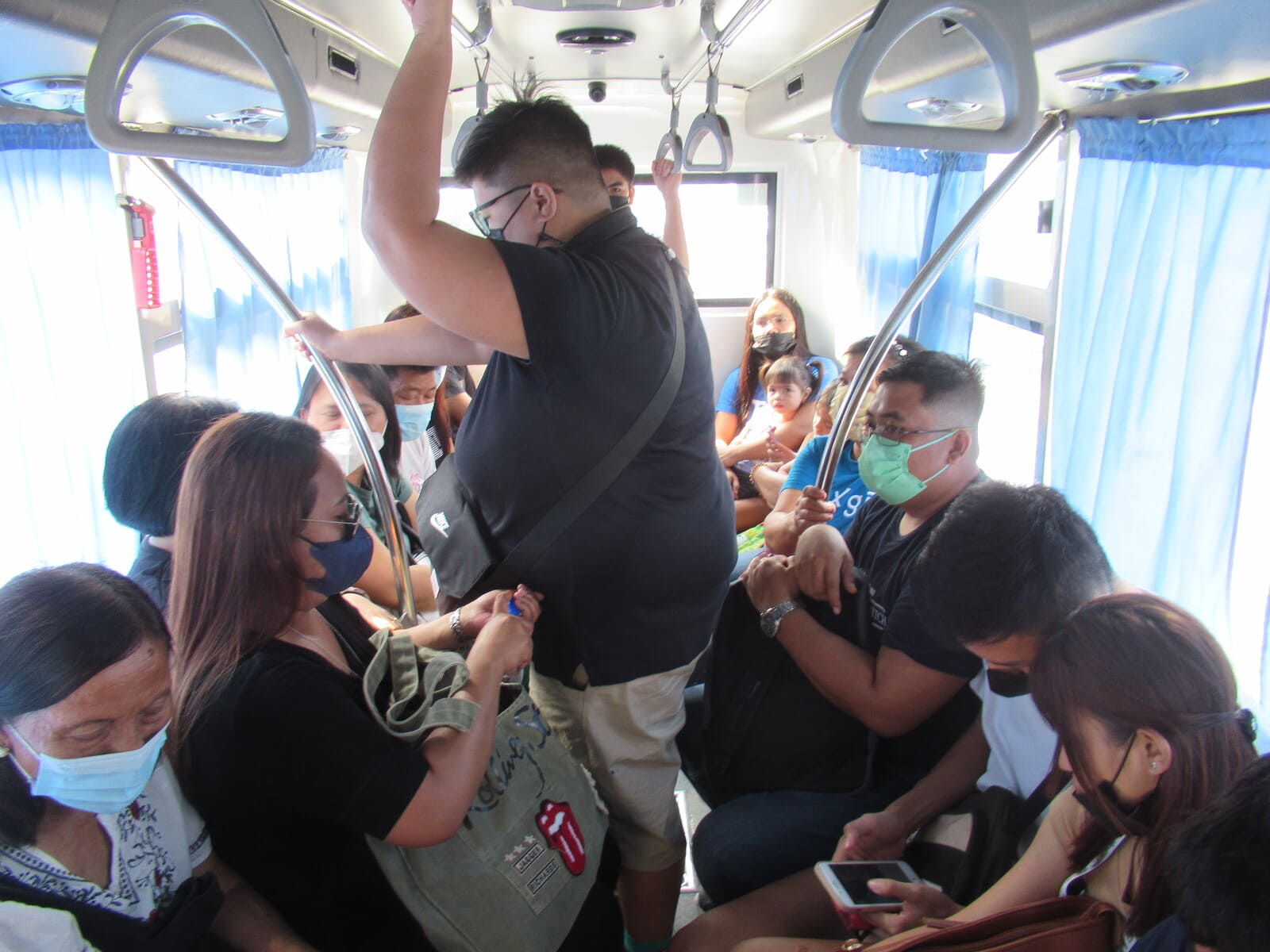
“Fat shaming” is the process of criticising someone for being overweight, often through public mocking. In everyday life, fat people experience microaggressions such as being stared at and mocked, as well as structural and systemic biases like mandatory uniforms only being made in certain sizes or transportation seating being unable to accommodate larger bodies.
Designing for “Average” Excludes Many
Mobility and accessibility are also major concerns. If a design is only able to accommodate certain body types, it ceases to be inclusive. Recreationally, seating in stadiums and on rides at amusement parks is rarely body-size inclusive. Vehicles such as buses and aircraft are designed for capacity, not comfort, and do not provide enough room even for average-sized people. Unfortunately, seating in airlines has been getting even smaller, compounding the problem. As narrow seats and tight aisles limit accessibility, many airlines are now requiring larger-bodied individuals to purchase multiple seats to be permitted to board. Even if they are able to afford this extra expense, overbooked flights mean that they are not always able to use the extra seats they’ve paid for.

How much do you agree or disagree with this statement: ‘I felt stigmatized when I accessed, or tried to access, health services relating to body image.’
Credit: House of Commons Committee via UK Parliament
Stigmatizing Fatness Hurts Fat People While Helping No One
In healthcare settings, fatphobia can be deadly. Medical bias against larger people often leads doctors to suggest weight loss as the first suggestion for every health issue, rather than doing their due diligence and performing a proper examination. There have been cases where overweight individuals who experienced dramatic, unintended weight loss were applauded for their “health journeys” by doctors, when people with other body types would have been carefully monitored for signs of depression and other serious health conditions that cause weight loss. This can lead to misdiagnosis and even death.
Body size can also impact work opportunities. Body size is not a protected class by law in many countries, so there are few, if any, legal protections for people experiencing fatphobia. Various studies have concluded that larger-bodied candidates have a harder time getting hired and promoted, and are even offered lower pay despite their qualifications. Unlike with gender or race, there simply aren’t quotas that hiring managers need to meet or major movements working to eliminate fatphobia from the workplace.
Organizations such as the National Association to Advance Fat Acceptance and the Obesity Action Coalition are working tirelessly to mitigate fat bias. They aim to promote the rights of fat people, encourage access to care, and help fight stigma. Others, such as the Association for Size Diversity and Health, work to make healthcare weight-neutral. However, we, as a society, have our own part to play in the fight against fat stigma. We need to challenge our own personal biases to effect change and create an environment where people feel accepted. By denying larger-bodied persons access, dignity, and opportunities, we compromise equity and inclusion. Inclusion is not only a mindset, but includes actively designing systems that can accommodate any and all body types. Society should be a space where acceptance isn’t sized, and everyone “fits in” without exception.


Everyone is welcome! We offer DEI programs tailored to meet the needs of all experience levels—find out more about our workshops here.