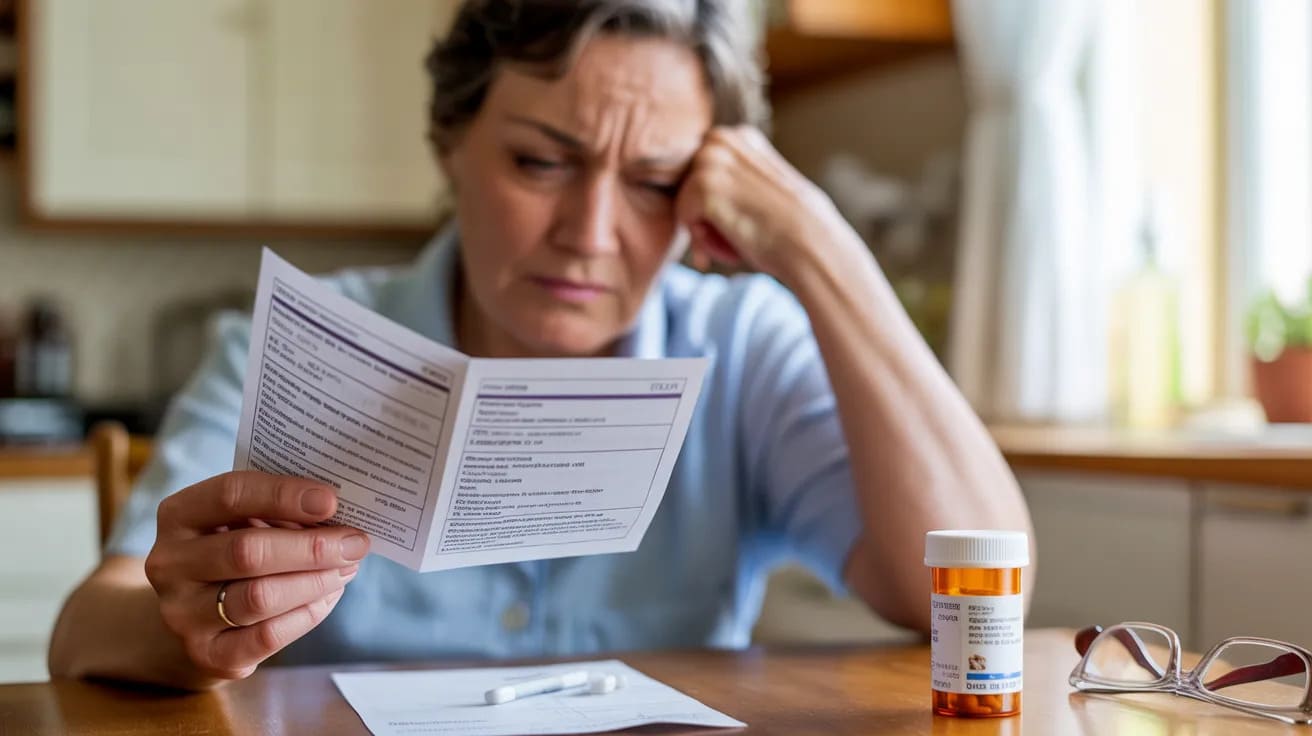
Health literacy is the ability to find, understand, and apply health knowledge in order to maintain a good level of health. Within nations, different populations can have varying levels of health literacy. Many minority groups have been exploited by the healthcare industry, which has caused them to be resistant to information provided by “outsiders.” This means it can be a challenge to simply find relevant health information, much less utilize those findings in a way that is effective and useful. Individuals with low health literacy are not able to manage their conditions well, and health behaviours are thus affected, leading to incorrect use and dosage of medication, more hospitalizations, increased morbidity and mortality, and insufficient use of services.
Information Overload: Too Much Data Prevents Understanding
Despite the availability of ever-growing sources of verified health information, health literacy in Europe remains low. According to a 2015 comparative study conducted in Europe, almost half of the population (approximately 47%) had shown “insufficient” health literacy, which was the lowest level of literacy in their survey. In the US, health literacy is a greater influencing factor for one’s health than income, education level, employment, and even race. Unfortunately, people worldwide are largely unaware or unable to access the healthcare resources available in their communities.

Credit: Health Literacy Statistics 2025 via Market.us Media
Bad Faith Actors Spread Falsehoods and Disease
Low literacy levels and the influx of rampant misinformation are also major barriers to increasing health literacy. They directly lead to poor health outcomes that impact communities at large, causing us to regress as a society. Over the past few decades, there has been an increase in vaccine hesitancy amongst certain fringe groups, but conditions during COVID-19 have escalated that trend into the general population. Although vaccination was formerly seen as one of the greatest public health achievements in history, increased suspicion and outright denial of the benefits of vaccination have resulted in decreased vaccination coverage and an increase in outbreaks of vaccine-preventable diseases.
Individual Health is Impacted by Collective Actions
Although many definitions of health literacy assign responsibility to the individual alone, government policies and regulations directly correlate with health outcomes. Running educational campaigns that are tailored to the location and supporting health educators who come from the relevant communities could help build trust and improve health outcomes. For example, policies promoting physical health through exercise are a logical strategy, but not providing safe bicycle and pedestrian lanes or ensuring accessibility at gyms is contradictory to the overall message. Another good example is the great public health mandate to “eat healthy,” without working to eliminate food deserts.
The Japanese government is one that not only promoting health literacy, but also working to improve participation in medical care. The Japanese government regularly emphasises the need to go for checkups with simple and easy-to-read messages. Additionally, some vaccinations have been partially subsidised to encourage the population to keep up to date. Because the information is coming from the government, people across all education levels are better able to trust that the information is reliable.
Just like having all the necessary ingredients and knowledge to bake a cake doesn’t mean you will end up with a delicious treat, having health resources and knowing that you need to take steps for your health doesn’t guarantee positive health outcomes. As we work to improve health literacy globally, we also have to find ways to encourage participation in health initiatives to boost community health at large. Bridging the gap between marginalized populations and the medical industry is key to improving health literacy and health outcomes.


Everyone is welcome! We offer DEI programs tailored to meet the needs of all experience levels—find out more about our workshops here.