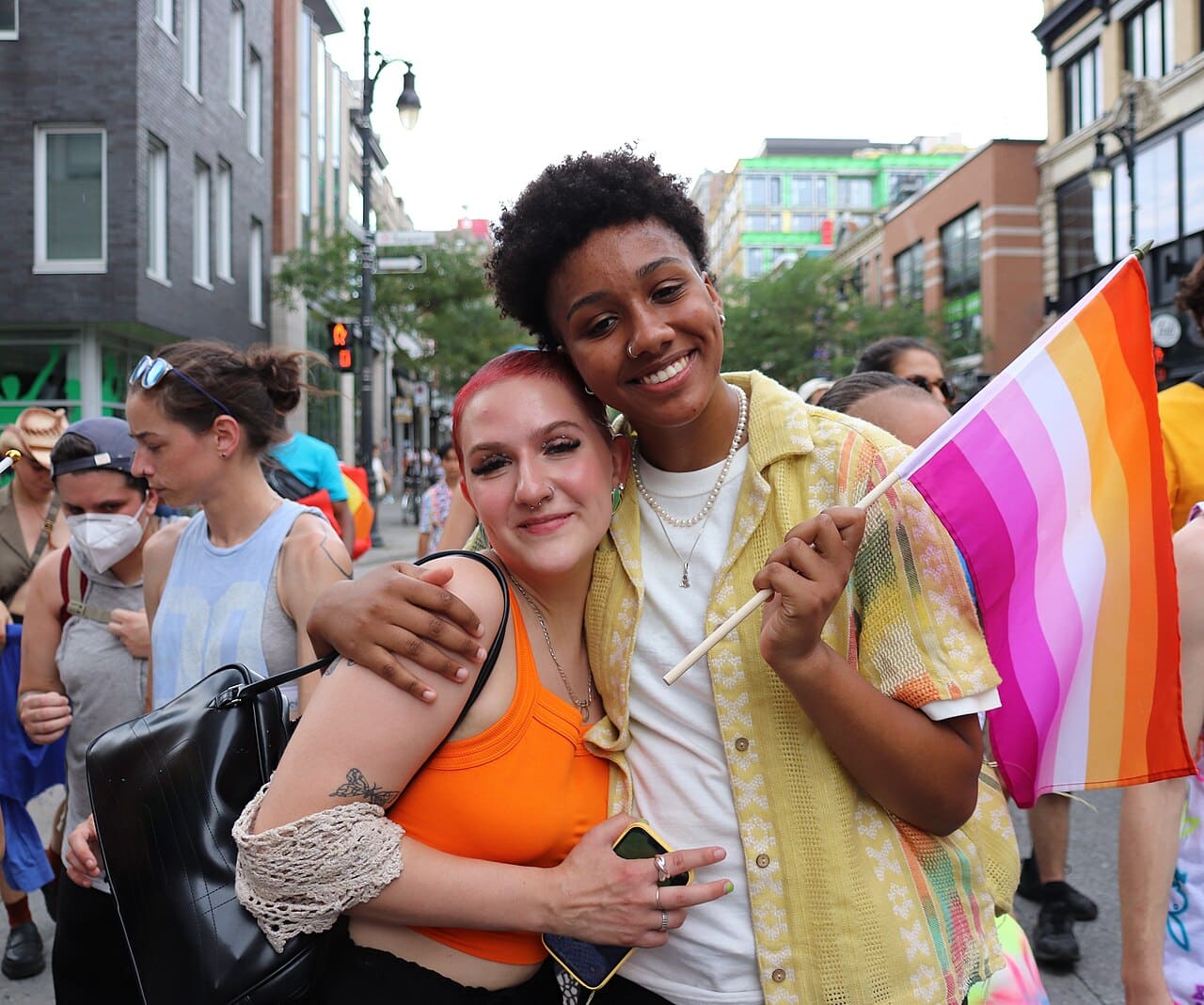
Corporations like Aldi, who once listed all their DEI programs and institutions that they supported prominently, pulled back from DEI and left many consumers skeptical of companies’ true intentions. Performative gestures like rainbow logos mean very little to minorities if there is not genuine activism behind them.

Number of companies that mention DEI in quarterly earnings calls over past 3 years
Credit: AlphaSense, via Axios
The Fine Line Between A Signal of Support and Exploitation
Meiji and Converse are two examples of companies whose commitment to Pride and support of the LGBTQ+ community go above and beyond just Pride month. Meiji introduced new “Diversity” packaging for their popular chocolates called “Marble.” The Marble name was also applied to Meiji’s extensive LGBTQ+ Employee Resource Group (ERG). A member of Marble explained that the company treats 90 minutes of ERG participation per month as work time, actively promotes these initiatives in both factories and headquarters, and encourages involvement from all levels of the organization, resulting in the group having roughly 100 members.
Meiji’s new product design was intended to showcase their work as allies and their commitment to the queer community. This product was introduced in 2024 with the help of Tokyo Pride House, an LGBTQ+ advocacy organization that also operates Tokyo’s first ever permanent LGBTQ+ center, after receiving feedback on their previous LGBTQ+ design, CUBIE. CUBIE’s special packaging was introduced to include the LGBTQ community in Japanese Valentine’s Day traditions. Valentine’s Day is a very gendered holiday in Japan, as it is a day when girls are expected to send boys chocolate, leaving out the queer community. This multi-pronged “Marble” strategy meant that Meiji worked authentically with and within the LGBTQ+ community. They didn’t launch their product during Pride Month and call it a day. Rather, they put forth the effort of supporting the LGBTQ+ community all year long.

Meiji Marble Pouch Diversity Package
Allyship Shouldn’t Be Seasonal
Converse is another example of LGBTQ+ product design being more than just a cash grab. While their 2025 Pride collection launched during Pride Month, it has remained available throughout the year, removing the FOMO “buy-now” pressure that limited edition collections impose. Converse’s collection, called “Proud to Be,” has been ongoing for 10 years, and for 2025, Converse has pledged to donate around 3.4 million US dollars to local, national, and international charities while working alongside queer organizations like the It Gets Better Project and the Ali Forney Center. These efforts promote visibility and support for the communities they create the products for.
Pinterest also showcased a great example of authentic allyship during Black History Month. Pinterest’s Black employees and allies resource group, Blackboard, came up with “Tailored,” a campaign that would showcase Black fashion both from the past and the present while honoring Black stylist, Ronald Burton III. CEO of Tech PR and Media Partner Brennan Nevada stated that she hadn’t really seen any Black History Month campaigns in 2025, which was a jarring change, as many companies had participated in past years. Pinterest was one company to continue on versus pulling back to protect their profits or signal their alignment with the Trump administration.
Diversity Marches Two Steps Forward, One Step Back
Gen Z, the generation rapidly growing to have the highest buying power, is paying attention to what these companies are doing. Are they retreating from supporting diversity for profits’ sake after years of seeming supportive? What makes a DEI product stand out is the altruism behind it. When Target, the company famous for its DEI efforts, rolled back their initiatives, was cut from sponsoring Twin Cities Pride, and ultimately turned their backs on the marginalized consumers that helped make them the once-beloved company they were, it cost the CEO his job and the company’s investors 12 billion US dollars. When only a modest 30% of people trust big corporations, it pays to invest in local communities and stick to values, no matter what time of the year it is.


Learning Cycle promotes a variety of programs to help deepen your understanding of DE&I. If you would like to know more about us, please click on About Us.