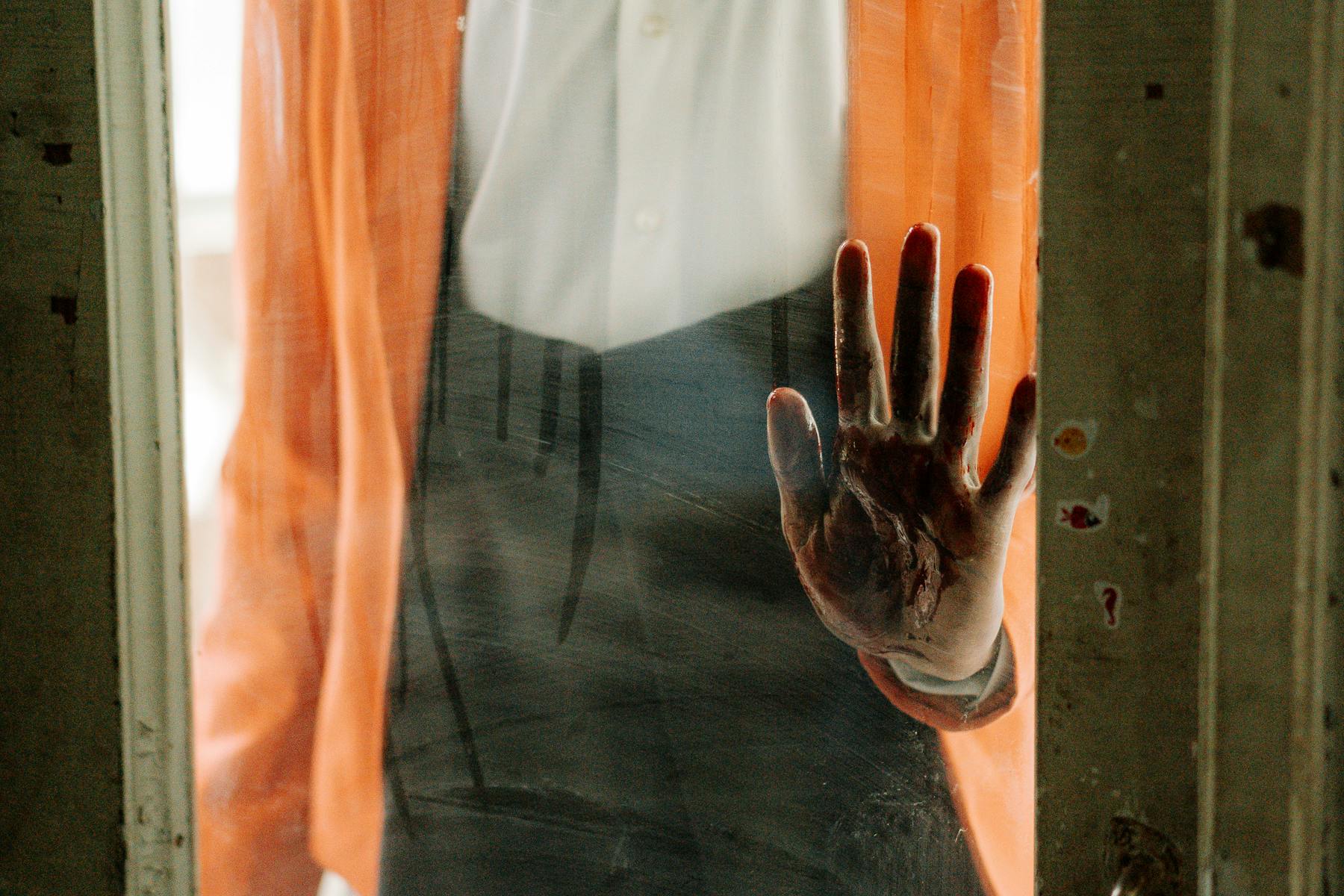
Narrative media has the potential to tell engaging stories around complex and sometimes taboo topics, but it also has the potential to desensitize us by exploiting very real acts, such as physical and sexual violence against women, for story impact. Femicide, the murder of women based on gender, has been increasing around the world. According to the Rape, Abuse, and Incest National Network (RAINN), about 1 in 6 women have experienced attempted or completed sexual assault. 82% of juvenile victims and 90% of adult victims are female.
So Common, It Has Become a Trope
Gendered violence against women is seen everywhere: in our politics, our news, and of course, our entertainment. In 2019, only 17% of the workers in the horror genre were women. This means that the vast majority of these films that commonly portray women as victims of sexual and sexualized violence are created mostly or entirely by men. As men are largely disconnected from experiences of violence towards women, it results in scenes that feel exploitative and, unfortunately, promote false narratives around rape.
Media Does Not Exist in a Vaccuum
When we make creative choices without considering the real experiences of sexual abuse victims, it can feed into what is known as “rape culture.” Rape culture is when sexual violence and abuse towards women are normalized and downplayed. As long as misogyny exists, so will rape culture. In US politics, rape is often paired with words like “real”, “legitimate”, or even “honest”, implying that most accusations of rape should be assumed false. Journalists write about sexual abuse as if it is a rarity, sensationalizing it and focusing on the abuser rather than the victim.

% agreeing that sexual intercourse without consent is justified in certain situations
Credit: Eurobarometer, CC BY-ND 3.0, via Statista
Taking the Red Pill: Increasingly Radicalized Against Women
As our work, entertainment, and leisure move increasingly online, we must also reckon with the fact that mainstream internet culture, especially in gaming, permits and, in some cases, even encourages gendered harassment and sexual abuse of women. Such behaviors are so common that activists have sought support from governments in combating the spread of misogynistic attitudes and behaviors to children online. There has been a recent increase in sexual assaults on children by other children, with England and Wales seeing a 40% increase in minor perpetrators. Pair all this with the attempted releases of games like “No Mercy” or “Rape Day,” where sexual violence and even incest are used as an entertaining shock element, it is no wonder that rape culture is still thriving.
That does not mean that it is impossible for narratives to meaningfully discuss topics of rape and sexual violence. Stories that give victims voices and don’t exploit or sensationalize their abuse still have a place. Teeth is seen as a feminist horror classic that follows the story of a girl navigating a world that over sexualizes her and other girls, leaving almost no safe place for them. Mouthwashing, an indie horror game, follows the story of a delivery crew trapped in space and shows how the abuse and harassment of women in the workplace is often not seen as urgent. Overall, writers, directors, and creatives have to ask themselves why certain topics are being included. If it’s there only because it will shock the audience, then it may be time to return to the drawing board.


Learning Cycle promotes a variety of programs to help deepen your understanding of DE&I. If you would like to know more about us, please click on About Us.